
10 Best Saws To Cut Wood in 2026
This post contains affiliate links. As an Amazon Associate, we earn from qualifying purchases.
Choosing the best saw to cut wood starts with the Makita XSH03Z Cordless Circular Saw, our best overall for its efficient brushless motor and cordless convenience. For precision woodworking, consider the Bosch CM10GD Dual-Bevel Glide Miter Saw, while the Skil 5280-01 Circular Saw is our budget pick for powerful corded performance.
The right saw depends on the task, such as breaking down plywood in a garage or making finish cuts on a job site. This guide was built by analyzing specifications, manufacturer data, and patterns in owner feedback to help match a tool to specific projects and workspace.
Top 10 Saws To Cut Wood in the Market
Certain content that appears on this site comes from Amazon. This content is provided "as is" and is subject to change or removal at any time.
The Best Saws To Cut Wood, Reviewed
Makita XSH03Z Cordless Circular Saw

What We Like
- Brushless motor for longer life and efficiency
- Automatic Speed Change optimizes cutting performance
- Up to 50% longer run time per charge
- Compact and relatively lightweight at 7 pounds
Trade-offs
- 6-1/2" blade limits depth of cut versus 7-1/4" saws
The Makita XSH03Z uses a 5,000 RPM brushless motor, providing the speed for faster cutting and ripping. Its Automatic Speed Change technology adjusts cutting speed and torque during the cut for optimum performance. This cordless saw is designed for users who need a portable tool with professional-grade features.
The trade-off is the blade size; the 6-1/2″ diameter can’t match the maximum cut depth of a full-size 7-1/4″ saw like the corded Skil 5280-01. You also need to factor in the cost of Makita’s 18V LXT battery system if you’re not already invested. For those deep into the Makita platform or prioritizing a potent, balanced cordless design, this saw is a clear frontrunner. For someone needing maximum depth on a budget, a heavier corded saw might be the more practical route.
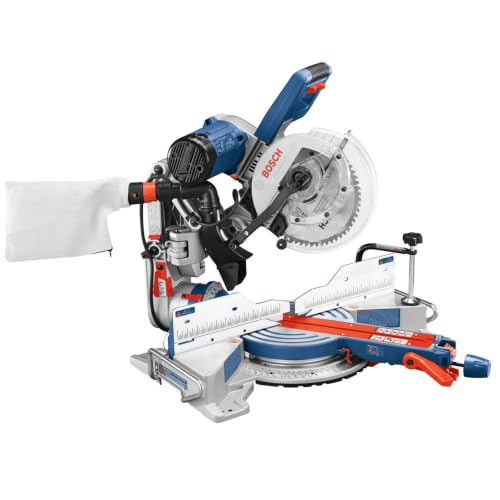
Bosch CM10GD Dual-Bevel Glide Miter Saw
What We Like
- Articulated arms reduce footprint by 10 inches.
- Axial-Glide System for durable, precise cuts.
- Wide 12-inch horizontal cutting capacity.
- Front bevel lock for easy angle changes.
Trade-offs
- Weighs 64 pounds, requiring a dedicated workbench.
- No onboard laser or shadow line guide specified.
The Bosch CM10GD’s Axial-Glide System is the key. It replaces traditional slide rails with a compact, articulated arm mechanism that maintains precision without needing space behind the saw. This makes it a standout for detailed trim work, crown molding, and furniture building where exact repeatable angles are non-negotiable. The upfront bevel controls and wide 47-degree range let you dial in complex compound cuts quickly, a real advantage for intricate projects.
That precision comes with a trade-off in portability. At 64 pounds, this is a saw you bolt to a permanent station, not one you haul to a job site. But in a dedicated shop, the Bosch’s glide system and cutting capacity deliver the accuracy that serious woodworking demands.
DeWalt DCS387B Cordless Reciprocating Saw

What We Like
- Lightweight 5.0-pound design for overhead work
- Four-position blade clamp enables flush cutting
- Bright LED light for dark work areas
Trade-offs
- Bare tool only; requires a separate 20V DeWalt battery and charger
- 5.0-pound weight is heavier than some cordless jigsaws like the DeWalt DCS334B
- 1-1/8-inch stroke is shorter than many full-size reciprocating saws
A 14-inch total length is the key spec, letting this saw fit between studs and into confined spaces where bulkier tools can’t reach. That compact design, combined with a variable-speed trigger for precise control, makes it a solid pick for plumbers, electricians, and remodelers who need to make quick cuts in tight spots. It’s built for demolition and rough-in work where access is limited.
The trade-off for that compact form is a shorter 1-1/8-inch stroke, which means it won’t clear chips as fast as a longer-stroke saw when you’re burying the blade in a thick log. It’s also a bare tool, so you’ll need to supply your own battery and charger. For general-purpose cutting in the open, the heft and longer blade of a circular saw like the Milwaukee M18 will be more efficient. But when the job calls for working inside a wall or under a sink, this DeWalt’s size is the entire point.
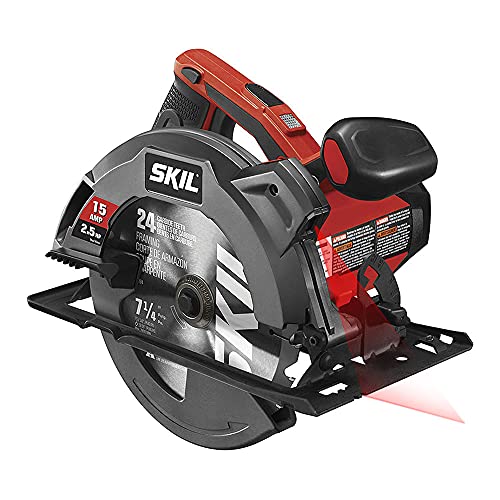
Skil 5280-01 Circular Saw
What We Like
- Powerful 15-amp motor for fast cuts
- Dust blower keeps cut line visible
- Safety lock and power indicator for security
Trade-offs
- Corded design limits portability
- Basic blade adjustment mechanisms lack finesse
- Weighs 8.7 pounds, which is substantial for a circular saw
Powered by a 15-amp motor, this saw delivers the strength for demanding tasks like framing or deck building without stalling. It’s a high-power corded circular saw suited for DIYers and even first-time buyers looking for reliable performance. The integrated dust blower keeps the line-of-cut free of sawdust, which is especially useful for outdoor work where visibility is key. This is a beginner-friendly tool that lets users grow their skills without needing to upgrade quickly.
The trade-off is in the details. Its blade adjustments for bevel angle and cutting depth are useful but quite basic, lacking the finesse found on more expensive saws. It is a corded tool, so it needs to be plugged in. For those who require cordless freedom, that’s a limitation. But for ripping plywood or cutting framing lumber where power and value are paramount, this saw delivers.
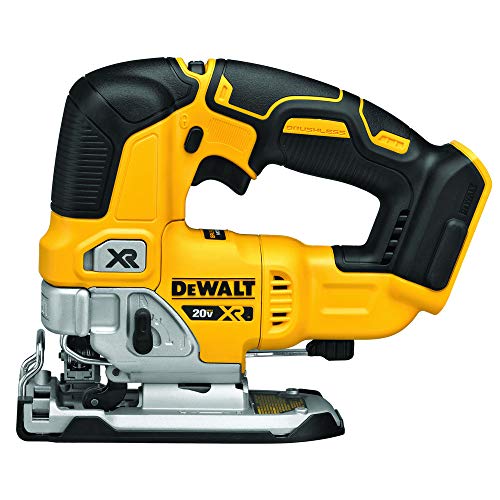
DeWalt DCS334B Cordless Jigsaw
What We Like
- Brushless motor for longer runtime
- Compact size for easy grip and control
- Keyless blade and bevel changes
- LED light and dust blower for visibility
Trade-offs
- Battery and charger sold separately
- Maximum bevel stop is 45 degrees
Its brushless motor delivers efficient performance for longer runtime, a key advantage for cordless operation. The compact, 4.2-pound body is designed for an easy grip and maximum control. A variable speed trigger and dial provide precise control, while the four-position orbital action and keyless bevel with detents up to 45 degrees allow quick adjustment for different cut quality and angles.
The tool is sold without a battery, so you must already own or purchase a DeWalt 20V MAX battery separately. An integrated dust blower helps clear the line of sight while cutting, and a bright LED illuminates dimly lit work surfaces. These features support visibility, which is useful for following a cut line.
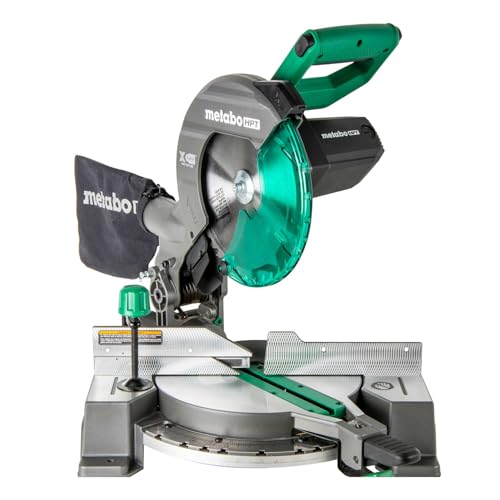
Metabo HPT C10FCG2 Compound Miter Saw
What We Like
- Exceptionally lightweight at just over 24 pounds
- Powerful 15-amp motor for a portable saw
- Large table provides solid workpiece support
- Improved miter scale for accurate adjustments
Trade-offs
- Single-bevel design limits compound cutting flexibility
At only 24 pounds, this miter saw is easy to maneuver and transport to any job site, a clear advantage for users who frequently move their tools. Its 15-amp motor delivers high power and generates a no-load speed up to 5,000 RPM for effortless cuts. An improved miter scale and controls allow for accurate adjustments, while the large table provides better material support. The included vice clamping system secures the workpiece for precision and safety.
Its easy carry comes from a single-bevel design. You’ll have to flip the workpiece for any compound cuts on the opposite side, which adds a step. For dedicated shop use where you rarely lift the saw, a heavier dual-bevel model like the Bosch CM10GD offers more cutting versatility on a stationary stand. But if your projects move with you, the Metabo HPT’s blend of muscle and minimal heft is tough to beat.
Product photos
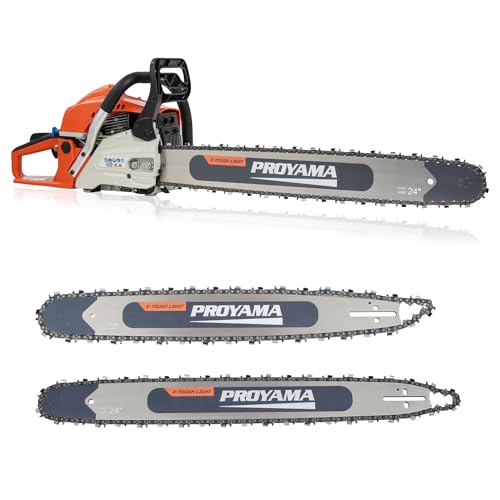
PROYAMA Gas Powered Chainsaw
What We Like
- High-torque 68cc engine for heavy-duty cutting
- Includes both 22-inch and 24-inch guide bars
- Magnesium alloy construction for durability and safety
- Engineered for low daily maintenance
Trade-offs
- At 17 pounds, it's a workout for overhead or prolonged use.
- Gas-powered operation requires fuel mixing and more noise.
- Its 41-inch length demands significant storage space.
A 68cc engine delivers the kind of brute-force torque that makes short work of felling trees and bucking large logs. This PROYAMA gas chainsaw is built for the user who needs raw power for demanding, all-day cutting tasks on a farm or in a forest. The inclusion of both a 22-inch and a 24-inch bar means you’re equipped for everything from precision trimming to tackling thick timber without swapping models. Its magnesium alloy construction resists the wear and shock of heavy work, promising a longer service life under tough conditions.
A 68cc gas engine provides strong torque and explosive cutting power for heavy-duty tasks like firewood processing or farm logging. That power brings the inherent trade-offs of a gas tool: it’s heavier, louder, and needs fuel mixing. It’s a dedicated outdoor workhorse, not a quick-grab tool for light yard work. For someone processing cords of firewood or clearing land, this saw’s muscle justifies its demands. Compared to a cordless tool like the Milwaukee M18 circular saw, this chainsaw prioritizes raw engine power over the cordless model’s lighter weight and simpler startup. You choose this for its strength when the job is too big for anything else.
Product photos
DEKOPRO Corded Jigsaw

What We Like
- Tool-less blade clamp for fast changes.
- Four orbital settings for material versatility.
- Integrated dust port for a clearer cut line.
- Parallel guide enables straight, controlled cuts.
Trade-offs
- Corded design limits mobility around a worksite.
- Includes only one wood blade; more must be purchased separately.
- Vacuum hose for dust extraction is not included.
Four orbital settings adjust the blade’s stroke to suit the material, allowing for faster cutting in softer woods or slower, cleaner work in harder stock. A variable speed trigger and a base plate that adjusts to 0°, 15°, 30°, and 45° support different bevel cutting needs. This combination of features allows the saw to handle a variety of cuts. The tool uses a tool-less blade clamp for changing saw blades quickly without tools.
As a corded jigsaw, it requires access to a power outlet during use. The included parallel guide enables sawing parallel cuts. A vacuum hose can be attached to the dust port adapter for a clear view of the workpiece, though the hose is not included in the package.
Product photos
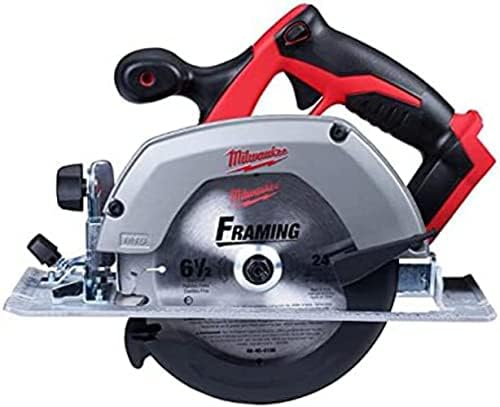
Milwaukee M18 Cordless Circular Saw
What We Like
- Magnesium guards for superior durability
- Aircraft aluminum shoe for precise cuts
- Soft-grip handle for comfortable control
- Powerful 3,500 RPM motor for tough materials
Trade-offs
- Tool only: requires separate battery and charger purchase
- At 7.3 lb, it's heavier than the 7.0 lb Makita XSH03Z
- Smaller 6-1/2" blade limits maximum cut depth
With a 3,500 RPM motor, this Milwaukee saw delivers the power needed for tough materials like LVL headers. Its magnesium upper and lower guards provide superior durability for blade protection on a job site. An aircraft aluminum shoe offers lightweight precision for rip cuts, while the soft-grip handle is designed for comfortable, controlled operation during extended use.
This durability does add some mass, giving the saw a bit more heft than some cordless competitors like the Makita XSH03Z. You also need to provide your own Milwaukee M18 battery, as this is a bare tool. For a contractor already invested in the M18 platform, however, this saw is a logical and hard-wearing addition to the kit.
Makita 5007Mg Magnesium Circular Saw

What We Like
- Two built-in LED lights illuminate cut line
- Magnesium construction for lightweight durability
- Powerful 15-amp motor for demanding cuts
- Large 56-degree bevel capacity with positive stops
Trade-offs
- Weighs 10.6 pounds, heavier than cordless counterparts
- Corded design limits mobility on sprawling job sites
Two built-in LED lights illuminate the line of cut, a feature that directly addresses the common problem of shadows obscuring the cut path in low-light conditions. This illumination works alongside a 15.0 AMP motor that delivers 5,800 RPM for consistent power. Magnesium components contribute to a weight of 10.6 pounds, a design choice aimed at balancing durability with reduced user fatigue during extended use.
That corded power and metal construction do come with a trade-off in heft and mobility. At 10.6 pounds, it’s noticeably heavier than a tool like the Makita XSH03Z cordless saw, which clocks in at 7 pounds. You’re trading the freedom of cordless operation for unlimited runtime and consistent power. This makes the tool ideal for a stationary setup on sawhorses or a dedicated cutting station, where its lights and power can be fully utilized. It’s less suited for constant overhead work or quick trips up a ladder where every pound counts.
Product photos
How We Evaluated Saws To Cut Wood
This guide is research-based, focusing on manufacturer specifications, expert round-up summaries, and consistent patterns in owner reviews. For each saw, the analysis prioritized power source, cutting capacity and precision, and durability for the intended use case, such as a jobsite or a home workshop. A limitation of this method is that it cannot verify the real-world feel, balance, or long-term reliability that comes from physical use over time.
What To Look For In Saws To Cut Wood
The best saw for your project isn’t always the most powerful one; it’s the one that matches the cuts you make most often. Your choice hinges on the material, cut type, and your workspace.
Key factors are the saw type for your primary cuts (straight, angled, or curved), power source for mobility, and cutting capacity for material thickness. Build quality and included features like dust management also affect long-term satisfaction.
Saw Type and Primary Use
Each saw type excels at specific cuts. A circular saw is the most versatile handheld tool for straight cuts and breaking down sheet goods, while a miter saw is unmatched for precise, repeatable angled cuts on trim and molding. For curves or interior cutouts, a jigsaw is essential, and a reciprocating saw is the go-to for demolition and rough cuts in tight spaces. Heavy-duty logging demands a gas-powered chainsaw. Understanding these roles is the first step; our guide to woodcutting saws explores each type in detail.
Power Source and Portability
Your power choice dictates where and how freely you can work. Corded saws, like our budget Skil pick, offer consistent, unlimited power but require an outlet or extension cord. Cordless models, such as the Makita XSH03Z, provide excellent mobility and are ideal for job sites without ready power, though you must invest in a battery platform. Gas-powered saws, like the PROYAMA, deliver maximum torque for remote cutting but require fuel mixing, create more noise, and need more maintenance. Consider where your projects happen most often.
Cutting Capacity and Precision Features
Capacity refers to the maximum depth and width a saw can cut, which directly limits the thickness of lumber you can handle. A 7-1/4″ circular saw cuts deeper than a 6-1/2″ model. For precision, look for features like positive stops at common angles, easy-adjustment levers, and guides like lasers or LED lights that illuminate the cut line.
A saw with a large, stable base (or “shoe”) and solid fence system will yield more accurate, repeatable results, which is crucial for fine woodworking. For tasks requiring extreme accuracy, dedicated tools like a miter saw vs circular saw comparison is useful.
–
- Check the maximum cutting depth and bevel capacity against your common project materials.
- For cordless tools, verify battery compatibility with any other tools you own.
- Assess the weight and ergonomics if you’ll be making overhead cuts or using the saw for extended periods.
- Look for dust management features like blowers or ports if you work in a clean shop.
- Consider if the saw includes a quality blade or if you’ll need to purchase one separately.
The most versatile first saw for a DIYer is often a quality circular saw, while a dedicated woodworker should plan for a precise miter saw.
Saws To Cut Wood Compared
The table below compares key specifications to help you see the differences between our top picks at a glance.
| Product | Weight | Motor Power/Speed | Power Source |
|---|---|---|---|
| Makita XSH03Z Cordless Circular Saw | 7.0 Pounds | 5,000 RPM | 18V LXT (Tool Only) |
| Bosch CM10GD Dual-Bevel Glide Miter Saw | 64.0 pounds | 15 Amp | Corded |
| DeWalt DCS387B Cordless Reciprocating Saw | 5.0 pounds | 0-2,900 spm | 20V MAX |
| Skil 5280-01 Circular Saw | 8.7 pounds | 15 Amp | Corded |
| DeWalt DCS334B Cordless Jigsaw | 4.2 pounds | 3,200 per minute | 20V MAX |
| Metabo HPT C10FCG2 Compound Miter Saw | 24.2 pounds | 15 Amp | Corded |
| PROYAMA Gas Powered Chainsaw | 17.0 pounds | 68cc 4.5HP | Gas |
| DEKOPRO Corded Jigsaw | 4.9 pounds | 3,000 SPM | Corded |
| Milwaukee M18 Cordless Circular Saw | 7.3 lb | 3,500 RPM | M18 battery |
| Makita 5007Mg Magnesium Circular Saw | 10.6 Pounds | 15.0 AMP | Corded |
Frequently Asked Questions
What type of saw is best for cutting wood?
The best type depends on the cut. For general straight cuts and breaking down plywood, a circular saw is the most versatile choice. For precise angled cuts on trim or molding, a miter saw is superior. For cutting curves or making interior cutouts, you need a jigsaw. Our best saws for cutting wood guide breaks down the options.
What is the best saw for cutting wood at home?
For most home DIY projects, a quality corded circular saw like the Skil 5280-01 offers ample power at an affordable price. It handles tasks from building a deck to simple carpentry. If your home projects involve more detailed finish work, a compact miter saw or a versatile jigsaw might be better additions. Explore more saws for home improvement for specific ideas.
What type of saw is best for cutting hard wood?
Cutting hardwoods requires a saw with a powerful motor and a sharp, high-tooth-count blade. A capable corded circular saw or a sliding compound miter saw with a strong amp rating is effective. For thicker hardwoods, the saw’s cutting depth capacity must meet the needs. Using the correct blade designed for hardwoods is as important as the tool itself.
What is the best tool to cut wood at home?
The most practical single tool is a circular saw due to its ability to make straight, beveled, and plunge cuts in a wide range of materials. It’s a foundational tool for construction and remodeling. However, for a beginner just starting out, a saw guide for beginners can help identify the right first tool based on your planned projects.
What’s the difference between a jigsaw and a circular saw?
A jigsaw uses a reciprocating blade to cut curves and intricate shapes, ideal for scrollwork or cutting sink holes. A circular saw uses a spinning blade for fast, straight cuts and is best for ripping boards or crosscutting sheet goods. Choosing between them depends on whether you need maneuverability or speed and straight-line accuracy; our jigsaw vs. Circular saw comparison details the trade-offs.
The Bottom Line
The Makita XSH03Z Cordless Circular Saw earns the best overall spot for carpenters and serious DIYers who need cordless freedom without sacrificing cutting power, especially if they’re already invested in the Makita 18V platform. If you’re on a tight budget, start with the capable Skil 5280-01 Circular Saw, and for mobile trim work, the remarkably lightweight Metabo HPT C10FCG2 Compound Miter Saw is a standout.
Ultimately, the most important factor is matching the saw’s primary function, straight cutting, angle cutting, or curving, to the projects you actually do. A versatile circular saw is the most practical foundation for any tool collection.
