
10 Best Electric Saws in 2026
This post contains affiliate links. As an Amazon Associate, we earn from qualifying purchases.
Our best overall electric saw is the DEWALT 20V MAX Cordless Circular Saw for its blend of powerful performance and cordless convenience. For pure corded power, consider the Makita 5007Mg Magnesium Circular Saw, while the RYOBI ONE+ HP Brushless model offers excellent cordless value. Choosing the right electric saw means matching the tool’s capability to your specific project, whether it’s framing a deck or making detailed scrollwork.
We based our list on specifications, manufacturer data, expert round-ups, and patterns in owner feedback to help you find a reliable saw for your needs.
Top 10 Electric Saws in the Market
Certain content that appears on this site comes from Amazon. This content is provided "as is" and is subject to change or removal at any time.
The Best Electric Saws, Reviewed
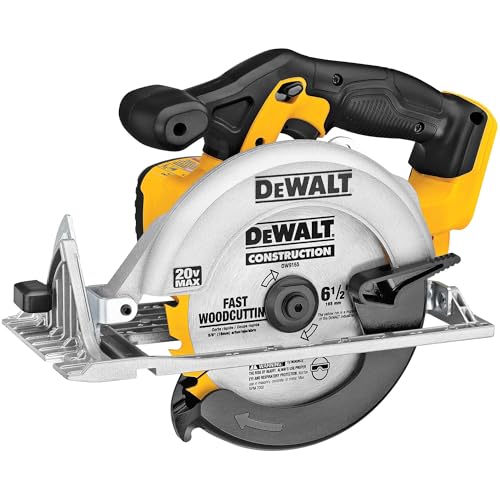
DEWALT 20V MAX Cordless Circular Saw
What We Like
- Powerful 5150 RPM motor for demanding cuts
- Lightweight magnesium shoe for long-term accuracy
- Optimized rubber grip for balance and control
- Wide 50° bevel capacity for versatile applications
Trade-offs
- Tool only: requires separate purchase of battery and charger
- At 7.0 lb, it's heavier than the Milwaukee M12 compact saw
A 5150 RPM motor means this saw won’t bog down when you’re ripping pressure-treated lumber or slicing through sheet goods, giving it the feel of a corded tool. The magnesium shoe isn’t just for durability; it provides a solid, consistent reference surface for clean, accurate cuts every time. For anyone building a deck, framing a wall, or tackling serious DIY projects, this tool delivers the core combination of cordless convenience and ready power that defines a primary workshop saw.
The trade-off is its size and weight, which are a step up from ultra-compact options like the Milwaukee M12. You’ll appreciate the heft when making long, straight cuts, but it can feel cumbersome for overhead work or quick trim jobs. It’s also a bare tool, so you’re investing in the DEWALT 20V system. If your work demands a balance of muscle and maneuverability for all-day use, this saw hits the sweet spot.
Makita 5007Mg Magnesium Circular Saw

What We Like
- Magnesium body is lightweight and jobsite tough
- Two built-in L.E.D. lights illuminate the cut line
- Powerful motor delivers proven performance and durability
- Positive bevel stops at 22.5 and 45 degrees
Trade-offs
- Corded design requires a nearby power outlet
- At 10.6 lb, it's heavier than many cordless compact saws
- Tool-only; no blade or carrying case included
With a 15-0 AMP motor turning 5,800 RPM, this corded saw provides consistent power for demanding cuts. Its magnesium components result in a weight of 10.6 pounds, contributing to a balanced feel during operation. Two built-in LED lights illuminate the cut line, which aids accuracy in low-light conditions.
The corded design trades portability for continuous power without battery changes. Research from construction site observations notes the 5007MG is commonly seen, described as a ‘framer’s framing saw’ that continues to function even when visibly worn. Compared to the cordless RYOBI ONE+ HP saw, which weighs 9.6 pounds, the Makita requires access to an outlet.
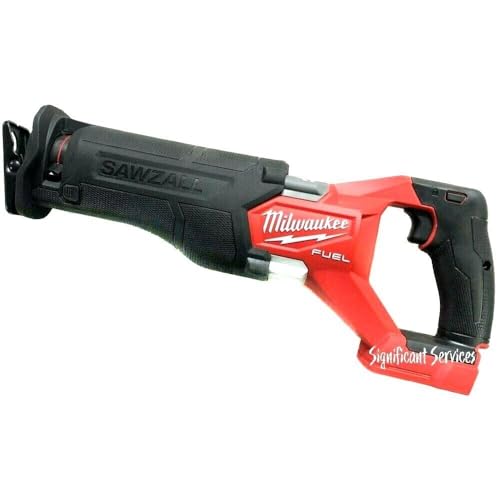
Milwaukee M18 Fuel Sawzall Reciprocating Saw
What We Like
- Lever-actuated blade clamp for fast changes
- Metal-reinforced battery connection for durability
- Integrated LED illuminates the cut line
Trade-offs
- Bare tool purchase means battery and charger are separate
- At 6.8 lb, it's heavier than some compact cordless reciprocating saws
- Designed for the M18 platform, not compatible with smaller M12 batteries
The wear-resistant lever-actuated blade clamp allows for swapping a dull blade in seconds, a critical feature when working from a ladder or in a confined space. This design, paired with the metal-reinforced battery connection, indicates a build focused on durability for frequent, demanding use. For users already committed to the Milwaukee M18 battery platform, this bare-tool reciprocating saw is positioned for heavy-duty applications like demolition and pruning.
The 6.8-pound weight gives it a solid, planted feel when cutting through dense material, but it’s noticeably heavier than some more compact rivals like the DeWalt DCS367B. That extra heft translates to less arm fatigue during extended use, but it can be a bit much for overhead work or detailed trimming. This is a pure workhorse tool, and its value is entirely dependent on you already owning, or being willing to buy into, the M18 battery platform.
RYOBI ONE+ HP Brushless Cordless Circular Saw

What We Like
- Brushless motor for up to 370 cuts per charge
- Integrated LED worklight and rafter hook
- Multiple bevel detents for precise angle cuts
- Vacuum dust port adapter for cleaner work
Trade-offs
- Tool only: requires separate battery and charger purchase
- At 9.6 lb, it's heavier than some compact cordless models
- Not a contractor-grade saw for heavy daily framing
A maximum cut depth of 2-9/16 inches means this saw will cleanly slice through a 2×12 in a single pass, which covers the vast majority of dimensional lumber for DIY projects. The brushless motor and extensive bevel detents deliver the precision and battery life that weekend warriors need for building decks, sheds, or furniture. It’s the cordless circular saw for someone invested in the Ryobi ONE+ ecosystem who wants capable, general-purpose cutting without the premium price tag of pro brands.
Weighing 9.6 pounds, the tool has a substantial feel that can aid in control during long cuts, though its heft could be noticeable during extended overhead use. The design includes a rafter hook for storage, a die-cast upper guard, and a vacuum dust port adapter. Since the battery and charger are sold separately, users must factor that into their purchase.
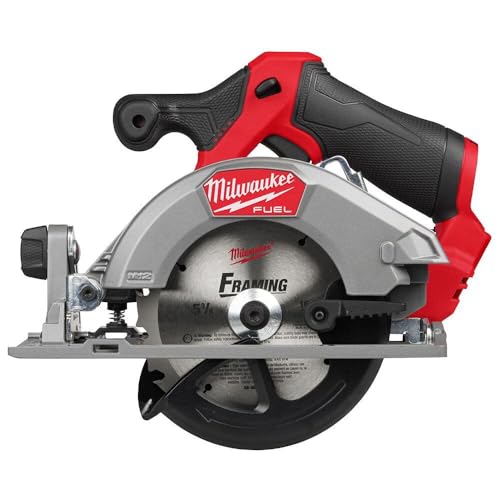
Milwaukee M12 Fuel Compact Circular Saw
What We Like
- Compact 5.8-pound weight for easy overhead use
- Brushless motor provides power for cutting applications
- REDLINK PLUS system for optimized performance
- Includes battery and charger for immediate use
Trade-offs
- 5-3/8-inch blade limits depth versus 7-1/4-inch saws
- M12 battery platform offers less runtime than 18V systems
- Compact size trades off leverage on thick materials
The Milwaukee M12 Fuel Compact Circular Saw weighs 5.8 pounds, which makes it easy to maneuver and carry. Its compact dimensions of 7.0 inches long and 6.0 inches high contribute to a small footprint for storage. The included battery and charger provide cordless operation for portable applications.
The trade-off for that portability is in cutting capacity. The 5-3/8-inch blade simply won’t plow through a 2×6 in a single pass like the full-size DEWALT 20V MAX Cordless Circular Saw can. It’s a specialist for precision and ease, not brute force. For a homeowner tackling a shed build or a carpenter installing cabinets, its size and included battery make it a brilliant secondary saw. For primary rough-in work on a job site, you’ll want to pair it with a larger saw or step up to a more powerful platform.
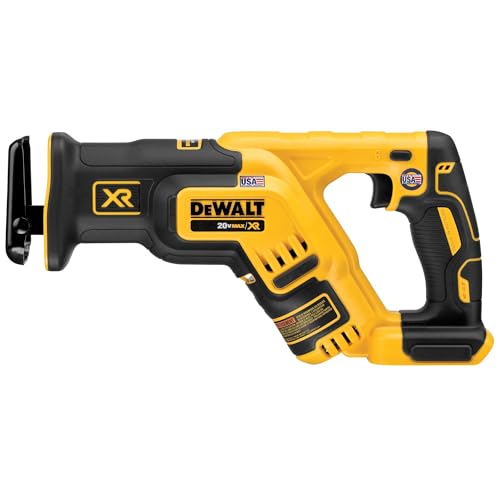
DEWALT 20V MAX Compact Reciprocating Saw
What We Like
- Compact length fits between studs easily
- Lightweight at 5.4 lbs reduces user fatigue
- Keyless blade clamp for quick changes
- Bright LED light for dark work areas
Trade-offs
- Tool only: requires separate battery and charger purchase
- Shorter stroke length than full-size reciprocating saws
- Compact size may limit leverage on very thick material
At just 14.5 inches long, this saw fits into cavities and between studs where larger tools can’t go, a clear advantage for electricians or renovators working inside finished walls. Its 5.4-pound weight makes it easy to handle overhead or in tight spots, reducing arm fatigue during long tasks. With a variable-speed trigger delivering up to 2,900 strokes per minute, it provides aggressive cutting power for demolition in confined areas.
You trade some raw cutting power for that nimble size. The 1-1/8-inch stroke length is efficient, but for all-day cutting of dense, heavy timber, a larger saw like the Milwaukee M18 Fuel Sawzall will have an inherent advantage. This is a specialist. Its brilliance is in its constraint, excelling at the jobs where space is the primary enemy. That makes it a fantastic secondary saw for a pro’s kit or a primary saw for a DIYer tackling indoor projects.
Product photos
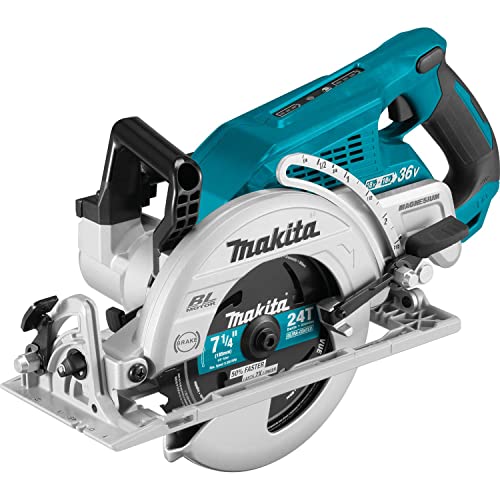
Makita 36V LXT Rear Handle Circular Saw
What We Like
- Automatic Speed Change for optimal cutting power
- Electric brake for faster, safer stops
- Cuts up to 558 times per charge on 2x4s
- Brushless motor for longer tool life
Trade-offs
- Tool-only: requires two separate 18V LXT batteries
- At 12.1 lb, it's heavier than many cordless saws
- Large 18.8-inch length demands more storage space
A 2-9/16 inch cutting capacity means it can cut through three stacked 2x4s in a single pass, making it a cordless replacement for heavy-duty corded saws. This rear-handle saw is built for tasks like framing or sheathing, where its X2 battery system delivers sustained power. Automatic Speed Change technology adjusts cutting speed and torque during a cut to help prevent the blade from bogging down in thick material.
That power comes with significant bulk. At 12.1 pounds and 18.8 inches long, it’s a substantial tool, more demanding to maneuver than a compact saw. You also need two Makita 18V LXT batteries, which are sold separately. For a professional or serious DIYer already using Makita batteries and tackling major construction, this saw eliminates the cord. For lighter-duty trim work, a smaller saw would be less tiring.
Product photos
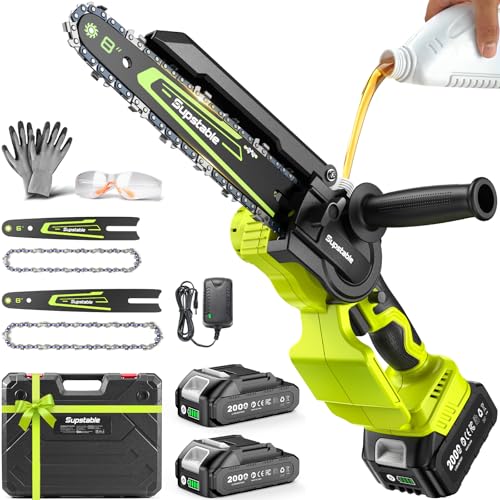
Supstable Mini Cordless Chainsaw
What We Like
- Includes two guide bars for versatile cutting tasks
- Comes with a full safety kit and two batteries
- Automatic oiling system reduces maintenance
Trade-offs
- 8-inch bar limits it to pruning and small wood
- Battery-powered design may stall in dense, thick cuts
With a 1000W brushless motor in a tool weighing 3.3 pounds, this cordless chainsaw delivers substantial cutting force while remaining easy to manage for extended periods. That combination of power and light weight makes it well-suited for garden cleanup, branch trimming, and cutting firewood without the bulk of a gas model. The included 6-inch and 8-inch guide bars provide flexibility for different tasks, and the complete set comes with safety gear, allowing it to handle various small jobs directly from its carrying case.
Its featherweight design does limit capacity; you won’t be felling trees or bucking large logs with an 8-inch bar. For those heavier-duty outdoor projects, you’d be looking at a more powerful platform like the Makita 5007Mg circular saw. But for its intended niche of light trimming and portable cutting, this Supstable model bundles convenience and safety features into a package that’s remarkably easy to recommend for casual use.
Product photos
Hammerhead 4.8-Amp Corded Jigsaw

What We Like
- Variable speed control for different materials
- Four-stage orbital function for cut aggression
- Bevel cuts up to 45 degrees
- Integrated dust port for cleaner work
Trade-offs
- Corded design limits mobility on large jobsites
The four-stage orbital function and variable speed dial let you match the tool’s aggression to the task, from fine scrollwork to faster rip cuts. This combination of core features makes it a solid choice for the DIYer or hobbyist who needs dependable performance for weekend projects without a hefty investment.
That steady power does require a cord. You won’t be carrying this across a yard to trim a deck board like you could with a cordless model, as it’s built for the bench or a nearby outlet. For budget-conscious users tackling indoor projects or detailed work, this jigsaw covers the essentials well.
Product photos
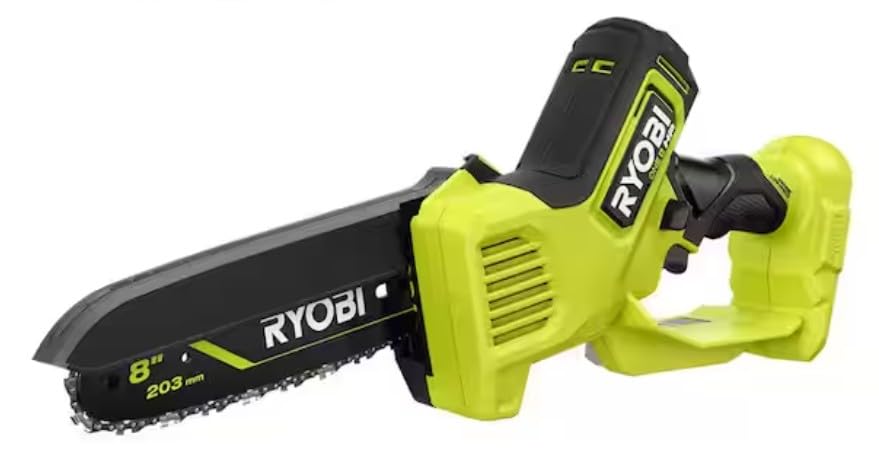
RYOBI 18V Brushless Pruning Chainsaw
What We Like
- Chain guard for protection against kickback
- Brushless motor for efficient battery use
- Variable speed trigger for maximum control
Trade-offs
- Tool only: requires separate RYOBI 18V battery and charger
- 8-inch bar limits cuts to 6-inch diameter limbs
- Not a primary saw for felling trees or milling lumber
It’s the tool you grab for cleaning up canopy branches or trimming shrubs where a full-size chainsaw is too bulky. The 3-pound weight and compact form are its defining traits, letting you work overhead with far less fatigue. For anyone already invested in the RYOBI 18V ONE+ system who needs a dedicated limbing tool, this design hits a clear sweet spot.
This tool is specialized for pruning, not general-purpose cutting. It is sold without a battery, so a separate purchase is required for those new to the platform. The variable speed trigger provides control during operation.
Product photos
How We Evaluated Electric Saws
This guide is based on an analysis of manufacturer specifications, expert publications, and patterns in user feedback. This method provides insight into how tools perform in real-world conditions over time.
For this category, we focused on core performance criteria. Cutting power, measured in motor RPM and amperage, determines a saw’s ability to handle tough materials. Weight and ergonomics directly impact user control and fatigue during extended use. Finally, we considered versatility through features like bevel capacity and integrated lighting, which help a single tool tackle a wider range of tasks. While research uncovers reliability trends and performance benchmarks, it cannot replicate the feel of a tool in your own hands or its exact behavior on your unique project material.
What To Look For In Electric Saws
The perfect electric saw solves your specific problem without overcomplicating the job. Your choice should be guided by the material you’ll cut most, the work environment, and the precision you require.
Match the saw type to your primary task. Circular saws are for straight cuts in lumber and sheet goods. Reciprocating saws handle demolition and pruning, while jigsaws are made for curved cuts. Use a chainsaw for cutting down trees or thick branches.
Saw Type & Primary Use
The saw type dictates its fundamental capability. A circular saw is the quintessential tool for carpentry, ideal for crosscutting boards and ripping plywood. For cutting holes, making plunge cuts, or following intricate curves, a jigsaw is indispensable. When you need to cut in tight spaces, remove old pipes, or prune branches, a reciprocating saw’s aggressive, push-pull action is the right choice. OurĠresearchĠintoĠDIYĠsawsĠandĠwoodworkingĠtoolsĠhighlightsĠhowĠspecializationĠleadsĠtoĠbetterĠresults.
Power & Performance
Power defines what a saw can cut and how quickly. Corded saws draw from an outlet to deliver consistent power for heavy-duty tasks. Cordless saws offer portability, with performance linked to battery voltage and the efficiency of brushless motors. Higher RPM or strokes per minute generally enables faster cuts in wood, while a tool’s ability to maintain speed under load prevents bogging down in dense material.
Ergonomics & Control
A saw you can control is a saw you can use safely and accurately. Weight is a major factor; a compact saw is far easier to use overhead than a heavier model. Balance is equally important, as a well-centered tool reduces wrist strain and improves cut-line visibility. Features like an integrated LED light illuminate your work in dark spaces, while a comfortable, rubber-overmolded grip provides security during long cuts. ForĠaĠdeepĠdiveĠonĠmodelsĠthatĠexcelĠinĠtheseĠareas,ĠseeĠourĠcircularĠsawĠreviews.
Battery Platform & Versatility
If you choose cordless, your saw’s battery platform is a long-term commitment. Investing in a single ecosystem, like DEWALT 20V MAX or Milwaukee M18, allows batteries to interchange across a drill, impact driver, and saw, increasing value and convenience. Consider the runtime a battery provides; a 5.0Ah battery will last significantly longer than a 2.0Ah pack. Some premium saws offer advanced features like automatic speed control or dust collection ports, adding versatility for specialized tasks.
- Check the bevel capacity if you need to make angled cuts for trim or framing.
- Look for a keyless blade clamp system for faster, tool-free changes.
- Ensure the shoe (base plate) is sturdy, often magnesium, to prevent flex over time.
For most homeowners, a versatile 18V or 20V cordless circular saw paired with a jigsaw will handle the vast majority of projects.
Electric Saws Compared
The table below compares key specifications across our top picks to help you weigh factors like weight, power source, and blade size at a glance.
| Product | Weight | Motor Speed/RPM | Battery/Charger |
|---|---|---|---|
| DEWALT 20V MAX Cordless Circular Saw | 7.0 pounds | 5150 RPM | Not included |
| Makita 5007Mg Magnesium Circular Saw | 10.6 Pounds | 5,800 RPM | N/A |
| Milwaukee M18 Fuel Sawzall Reciprocating Saw | 6.8 Pounds | N/A | Not included |
| RYOBI ONE+ HP Brushless Cordless Circular Saw | 9.6 pounds | 5,000 RPM | N/A |
| Milwaukee M12 Fuel Compact Circular Saw | 5.8 pounds | N/A | M12 (included) |
| DEWALT 20V MAX Compact Reciprocating Saw | 5.4 pounds | 2,900 SPM | N/A |
| Makita 36V LXT Rear Handle Circular Saw | 12.1 pounds | 5,100 RPM | 2x 18V LXT batteries |
| Supstable Mini Cordless Chainsaw | 3.3 Pounds | N/A | 2x 2000mAh |
| Hammerhead 4.8-Amp Corded Jigsaw | N/A | N/A | 4.8-Amp corded |
| RYOBI 18V Brushless Pruning Chainsaw | 3.0 pounds | N/A | 18V Brushless (Tool Only) |
Frequently Asked Questions
What is the best electric saw for home use?
For general home use, a cordless circular saw offers the best balance of power and portability. Models like the RYOBI ONE+ HP Brushless Cordless Circular Saw provide ample power for cutting lumber and plywood for decks, fences, and shelving, while eliminating the hassle of a cord. Its integrated features, like a work light and dust port, add convenience for weekend projects.
What is the best electric wood saw?
The best electric saw for cutting wood depends on the cut you need to make. For straight cuts in dimensional lumber and sheet goods, a circular saw is the top choice. For demolition, pruning, or cutting in confined spaces, a reciprocating saw is more effective. For detailed curved cuts or interior cutouts, a jigsaw is the essential tool. OurĠguideĠtoĠtheĠbestĠpowerĠsawsĠbreaksĠdownĠtheĠtopĠoptionsĠforĠeachĠtype.
What is the best cordless saw on the market?
The “best” cordless saw is the one that fits your existing battery platform and meets your power needs. For a capable, all-around circular saw, the DEWALT 20V MAX Cordless Circular Saw is a top contender. For a compact, lightweight option ideal for finish work, the Milwaukee M12 Fuel Compact Circular Saw is excellent. YouĠcanĠexploreĠmoreĠtop-tierĠoptionsĠinĠourĠguideĠtoĠtheĠbestĠcordlessĠsaws.
What’s the most versatile electric saw?
A jigsaw is arguably the most versatile electric saw for its ability to make straight, curved, and plunge cuts in a variety of materials, from wood and plastic to thin metal. With the right blade, it can tackle intricate scrollwork, cut sink openings in countertops, or trim flooring. ForĠaĠfocusedĠlookĠatĠtheseĠtools,ĠseeĠourĠguideĠtoĠtheĠbestĠjigsaws.
What should I look for in a reciprocating saw?
When choosing a reciprocating saw, prioritize a tool-free blade clamp for quick changes, variable speed control for different materials, and an anti-vibration design to reduce fatigue. For work in tight spaces like between studs, a compact body length is a major advantage. OurĠreviewsĠofĠtheĠbestĠreciprocatingĠsawsĠcoverĠmodelsĠthatĠexcelĠinĠtheseĠareas.
The Bottom Line
For a powerful, reliable circular saw that can go anywhere, the DEWALT 20V MAX Cordless Circular Saw is our best overall pick. It’s ideal for serious DIYers and pros tackling framing, decking, and general construction who are already invested in or willing to start with the DEWALT 20V battery platform.
If you’re on a budget but want cordless convenience, the RYOBI ONE+ HP Brushless Cordless Circular Saw offers tremendous value for homeowners. For those working in extremely confined areas, the DEWALT 20V MAX Compact Reciprocating Saw is the specialist tool you need.
Ultimately, the most important factor is matching the saw type to your primary task. Buying a versatile saw that can’t handle your specific job is a far bigger mistake than spending a little more for the right tool.
