
10 Best Flooring Nailers in 2026
This post contains affiliate links. As an Amazon Associate, we earn from qualifying purchases.
Our best overall pick is the Freeman Lightweight 3-in-1 Flooring Nailer for its versatile three-in-one design that handles most standard floor installations. We also highlight the Bostitch BTFP12569 for its interchangeable plates and the NuMax SFL618 as a capable budget option. Choosing the wrong tool can waste time and damage expensive flooring.
A tool matched to your material and fastener ensures a tight, professional-looking floor without frustration. Our guide is based on deep research into specifications, expert roundups, and patterns in owner feedback to help you pick confidently from ten top-rated models.
Top 10 Flooring Nailers in the Market
Certain content that appears on this site comes from Amazon. This content is provided "as is" and is subject to change or removal at any time.
The Best Flooring Nailers, Reviewed
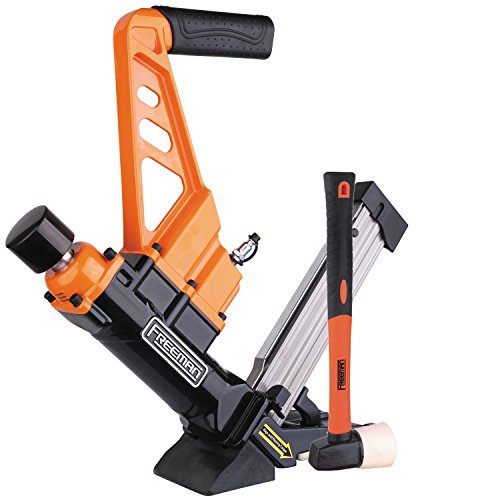
Freeman Lightweight 3-in-1 Flooring Nailer
What We Like
- Multi-purpose 3-in-1 design for nails and staples
- 20% lighter weight than comparable flooring nailers
- Ergonomic cut-away handle reduces user fatigue
- No-mar base plates protect finished flooring surfaces
Trade-offs
- Weighs 10 lb, heavier than some compact models like the 3.8 lb Freeman PFBC940
- Requires a separate roller base for easier transport
A 3-in-1 design that handles T-cleats, L-cleats, and staples means you can tackle most standard hardwood flooring installations without switching tools. This versatility, paired with a build that’s 20% lighter than many competitors, makes it a logical choice for professionals facing long days on site or dedicated DIYers installing multiple rooms. The ergonomic handle and light strike bumper are direct responses to the fatigue that comes from driving thousands of fasteners.
Weighing 10 pounds, this nailer is 20% lighter than comparable models, which helps reduce user fatigue during long flooring installations. Its high-strength aluminum body and heat-treated steel parts are built to resist damage from typical job site use. For most tongue-and-groove hardwood like oak or maple, this single tool handles the work, though a specialized nailer like the Powernail 50PFLEXXLSW could be considered for thinner exotic or engineered flooring.
Bostitch BTFP12569 2-in-1 Flooring Nailer

What We Like
- Non-marring, interchangeable base plates for multiple flooring thicknesses
- Ergonomic long handle with a comfortable rubber grip
- Drives both flooring staples and L-Cleat nails
- Mallet-actuated pneumatic action provides reliable driving power
Trade-offs
- At 14.7 lb, it is heavier than many competitors like the Freeman PDX50C
- Limited to flooring between 1/2-inch and 3/4-inch thick
Non-marring, interchangeable base plates let this nailer handle flooring from 1/2-inch to 3/4-inch thick, so a single tool works on different jobs without damaging the wood. The ergonomic long handle with a rubber grip helps reduce hand fatigue during long installations. This design focuses on adaptability and user comfort for varied flooring work.
That versatility comes with a noticeable heft, as the tool weighs 14.7 pounds. It demands more arm strength to position than lighter models like the 11.2-pound Metabo HPT N5010AC. The mallet-actuated pneumatic design is a standard for flooring, though its size can make it less maneuverable in very tight spaces.
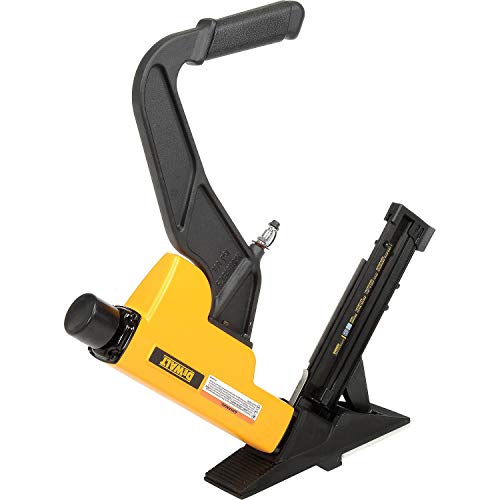
DEWALT DWFP12569 2-in-1 Flooring Stapler
What We Like
- Optimized for the most popular solid flooring fasteners
- Lightweight design for better balance and control
- Interchangeable base plates adjust to all flooring sizes
- Ergonomic, longer handle with comfortable rubber grip
Trade-offs
- Only accepts two fastener types, not 18-gauge for thinner engineered floors
- Length of 20.6 inches may be cumbersome in tight spaces
Optimized for the most popular solid flooring fasteners, this 2-in-1 tool handles both 15.5-gauge staples and 16-gauge L-cleat nails, making it a direct match for most traditional hardwood jobs. Its 10.6-pound weight and ergonomic handle with a rubber grip are designed for better balance and control during long installations. Lower CFM requirements mean less compressor run-time. For standard solid flooring, this single tool covers the two most common fastener types.
The trade-off for that focused compatibility is flexibility. It won’t handle the thinner 18-gauge cleats needed for many engineered or exotic floors, a job where the Powernail 50PFLEXXLSW specializes. While well-balanced, its overall package is still substantially heavier than compact staplers like the Metabo HPT N4004AB. For installers who stick to common solid stock, however, the DEWALT’s design hits the sweet spot between capability and ease of use.
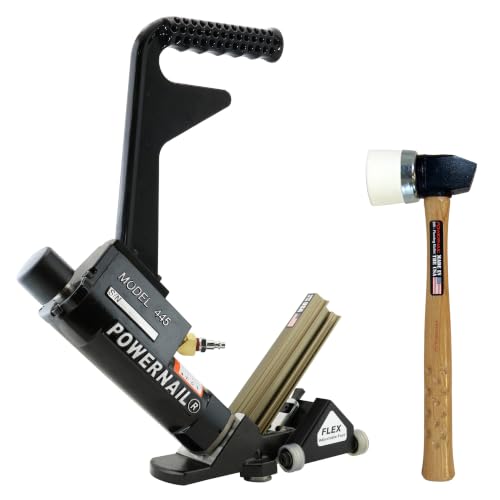
Powernail 445PRXLSW L-Cleat Flooring Nailer
What We Like
- Adjustable base eliminates need for shims
- Six precision roller bearings protect board edges
- XL handle reduces fatigue and improves control
Trade-offs
- Only drives L-cleat nails, not staples
- Requires a pneumatic compressor to operate
The FLEX Power Roller adjustable base is the standout feature here. It lets you fine-tune the nailer’s fit to various wood thicknesses and profiles without fumbling with shims or pads. That precision, combined with the six roller bearings, means it glides across boards while safeguarding delicate edges and finishes. This makes it a serious choice for installers working on premium solid hardwood floors like oak or walnut who need consistent, damage-free results. The XL handle is a thoughtful ergonomic touch that shifts the tool’s center of gravity over the work, letting you stand taller and work longer with less strain.
This specialized adjustability focuses the tool on a specific job. It is strictly a pneumatic nailer for 16-gauge L-cleats in standard solid hardwood. If your project involves engineered flooring or you want the versatility to switch between nails and staples, you’d look at a 2-in-1 model like the Metabo HPT N5010AC. For dialing in the perfect shot on a traditional solid wood floor, though, the Powernail’s engineered base provides a clear, tangible advantage in setup speed and finish protection.
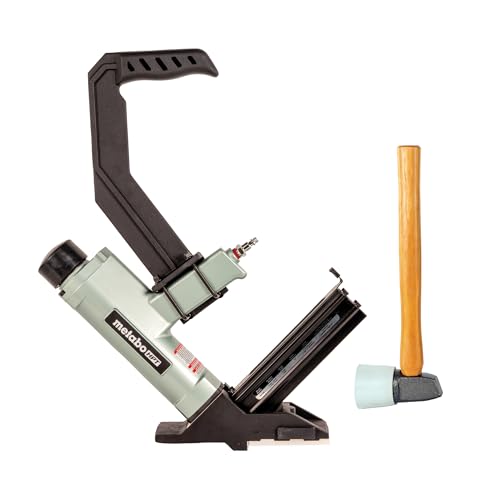
Metabo HPT N5010AC 2-in-1 Flooring Nailer
What We Like
- Tool-less adjustment for quick depth changes.
- Top-loading aluminum magazine for durable, easy reloads.
- 2-in-1 design handles both cleats and flooring staples.
- Comes job-ready with mallet, safety glasses, and wrench.
Trade-offs
- At 11.2 lb, it's heavier than the Freeman or NuMax models.
- Requires a mallet strike for every fastener placement.
- Designed only for standard and engineered hardwood flooring.
The tool-free depth adjustment is the real headline here, letting you dial in the precise fastener set for different material thicknesses without hunting for a hex key. This makes the Metabo HPT N5010AC a logical choice for installers who value speed and hate fumbling with tools between tasks. Its 2-in-1 design adds versatility, accepting both L-cleats and staples for various hardwood jobs, and the included kit means you can start working straight from the box.
That convenience does come with some heft. At over 11 pounds, it demands more arm strength over a long day compared to some lighter contenders like the Freeman PDX50C. The mallet-actuated operation is precise, but it’s also a physical process for every shot. For pure stapling on thinner engineered materials, a dedicated, lighter tool like the Metabo HPT N4004AB might be less fatiguing. For a primary nailer that switches tasks on the fly, however, this model’s on-the-fly adjustments are hard to beat.
Product photos
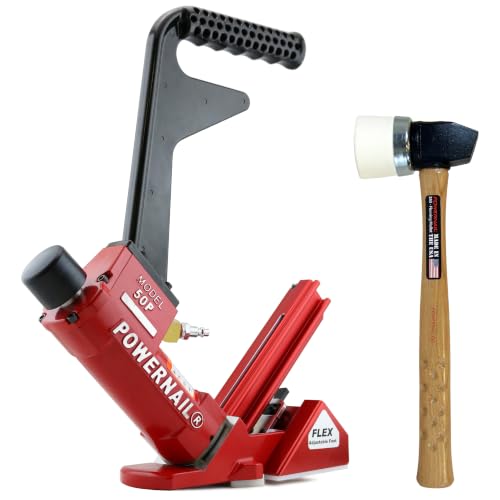
Powernail 50PFLEXXLSW Engineered Flooring Nailer
What We Like
- FLEX foot eliminates need for shims on varied profiles
- Extra-long 21-inch handle reduces back strain
- No-mar plate protects delicate floors and finishes
- Made in USA with a ten-year warranty on the body
Trade-offs
- Nailer-only design, cannot switch to staples
- Requires a separate air compressor to operate
The Powernail 50PFLEXXLSW is built around its FLEX adjustable foot, which lets you dial in the perfect setting for different wood profiles without fussing with shims. That focus makes it the go-to choice for pros and serious DIYers installing engineered and exotic hardwood floors, where precise fastening and surface protection are non-negotiable. Its 18-gauge L-cleats provide a strong hold for boards up to 3/4-inch thick, and the extended 21-inch handle is a genuine back-saver on large projects.
Specialization defines this tool. It drives only 18-gauge L-cleat nails, so projects requiring staples for softer materials or underlayment are not an option. For dedicated installation of tongue-and-groove hardwood, exotic, or engineered planks, it is a focused professional instrument. The Bostitch BTFP12569 is listed as a 2-in-1 tool, offering a different functional approach.
Metabo HPT N4004AB Flooring Stapler

What We Like
- Extremely lightweight at only 3.1 pounds
- Tool-less depth adjustment for multiple flooring types
- Rubber over-molded grip for comfortable prolonged use
- Durable composite magazine minimizes jams and weight
Trade-offs
- Only drives 18-gauge staples, not L-cleat nails
Weighing only 3.1 pounds, this stapler is built for extended use with lower fatigue, a clear advantage for long flooring jobs. Its over-molded rubber grip adds comfort during prolonged use, making it a practical choice for residential projects where handling is key. The tool-less base adjusts for both solid and engineered hardwood, and the 360-degree adjustable exhaust port directs air flow away from the user.
This low weight comes with a specific purpose. It is strictly an 18-gauge stapler, so it can’t drive the heavier L-cleat nails some installers prefer for thicker hardwoods. If you need that multi-fastener versatility, you’d look at a 2-in-1 model like the heavier Metabo HPT N5010AC. For stapling down standard hardwood and engineered flooring, however, the N4004AB’s design puts ease of use and endurance first.
Product photos
Bostitch MIIIFS Pneumatic Flooring Stapler

What We Like
- Rugged aircraft-grade aluminum construction
- Includes rubber-tipped mallet and foot kit
- Extra-wide composite base for stability
Trade-offs
- Staple-only design lacks cleat nail compatibility
- Mallet-actuation requires more physical effort per stroke
With 420 inch-pounds of driving power, this stapler is built to sink fasteners into the hardest, thickest flooring without hesitation. It’s a tool for professional installers or serious DIYers regularly tackling dense ¾-inch hardwoods, where a weaker drive might leave staples proud. The aircraft-grade aluminum body and 7-year warranty signal it’s made for the long haul on tough jobsites, not just occasional closet floors.
This 11.2-pound pneumatic stapler is built for dedicated power, which means it feels solid and steady when driving staples but can be tiring during long installations. It only drives flooring staples, not L-cleat nails, so it’s not the choice for woods that require a different fastener. For a tool that handles both cleats and staples at a similar weight, the Metabo HPT N5010AC 2-in-1 is an alternative.
NuMax SFL618 3-in-1 Flooring Nailer

What We Like
- Lightweight aluminum body reduces fatigue
- 3-in-1 design handles nails and staples
- Two no-mar base plates for different flooring thicknesses
- Includes a long-reach mallet with a comfortable grip
Trade-offs
- At 19.6 inches long, it's less compact for tight spaces
- Tool only design; requires a separate air compressor
The NuMax SFL618’s 3-in-1 design is its biggest practical advantage. It drives 16-gauge cleats and 15.5-gauge staples from the same tool body, so you don’t need to buy and switch between two separate guns for a hardwood floor project. That versatility, paired with a weight under nine pounds and an ergonomic handle, makes it a logical choice for the budget-conscious installer tackling a standard tongue-and-groove job. You get a capable tool that covers the fundamentals without extra frills.
This nailer’s multi-purpose design drives three fastener types with a single tool, saving you from buying separate nailers and staplers for flooring jobs. Its 8.8-pound weight is lighter than heavier-duty models like the 14.7-pound Bostitch, making it easier to maneuver all day. The interchangeable base plates handle the most common flooring thicknesses, from half an inch to three-quarters of an inch, which covers standard solid hardwood installations.
Product photos
Freeman PFBC940 4-in-1 Mini Flooring Nailer

What We Like
- Lightweight and compact for overhead and trim work
- Quick jam release keeps projects moving
- Clear reload indicator eliminates guessing
Trade-offs
- Limited to 18-gauge fasteners, not for standard 16-gauge flooring cleats
- Maximum 5/8" flooring thickness excludes most solid hardwood
Weighing just 3.8 pounds, the Freeman PFBC940 is a specialist for delicate work where a full-size nailer would be overkill. Its 18-gauge fasteners and capacity for flooring up to 5/8″ thick make it the right choice for engineered wood, thin solid planks, and all the associated trim and molding. The 4-in-1 design means you can switch between brads and narrow-crown staples without swapping tools, which is a serious time-saver on complex jobs like cabinetry or built-ins. That tool-free depth adjustment is crucial for avoiding dimples in softer materials.
The trade-off is clear in its name: this is a mini flooring nailer. It is not built for thicker standard hardwood planks that larger, mallet-driven tools handle. Consider it a specialist for finish and trim work, not a primary flooring workhorse. For installers who frequently tackle thinner materials, decorative trim, or remodeling projects, this tool’s versatility and featherweight handling are compelling reasons to keep it on the truck.
Product photos
How We Evaluated Flooring Nailers
Our evaluation started with a comprehensive review of manufacturer specifications and expert installation guides. We compared drive systems, fastener compatibility, and features like base plate adjustment methods across dozens of models. The key criteria were versatility (nailer vs. Stapler capability), weight and ergonomics for user fatigue, and precision features like no-mar plates and adjustable bases.
A final check of owner feedback helped confirm real-world reliability and common pain points. Since this is a research-based guide, we cannot provide hands-on performance data, but we focused on the technical details and user-reported experiences that matter most for a successful installation.
What To Look For In Flooring Nailers
The right flooring nailer drives fasteners at the correct angle and depth to secure boards without damaging them. Matching the tool to your specific flooring type and fastener is the single most important step.
Choose a tool based on your flooring material: solid hardwood, engineered wood, or thin planks. Then, match the fastener type (cleat nail or staple) and gauge. Finally, consider weight, handle design, and adjustment features for a comfortable, precise installation.
Fastener & Flooring Compatibility
Flooring nailers are designed for specific fasteners: L-cleat nails or staples. L-cleats, typically 15.5 or 16-gauge, are the standard for solid hardwood as they provide superior holding power. Staples, often 18-gauge, are commonly used for engineered and some hardwood floors. Your tool must also accept the correct fastener length for your flooring thickness, which usually ranges from 1/2-inch to 3/4-inch for standard planks. Using the wrong fastener can split the tongue or fail to hold the board securely.
Tool Design & Ergonomics
You’ll strike the tool’s drive piston with a mallet hundreds or thousands of times, so design directly impacts fatigue. A lighter tool, like some models under 4 pounds, is easier to maneuver all day. Look for ergonomic features like a long, rubberized handle for better leverage and a cut-away design that reduces wrist strain. The base plate should have a non-marring surface to protect prefinished floors and may offer tool-free adjustment or interchangeable plates to fit different material thicknesses without makeshift shims.
Versatility and Power Source
Most flooring nailers are pneumatic, requiring a separate air compressor, which provides consistent driving power. The main choice is between a dedicated nailer or stapler and a combination 2-in-1 or 3-in-1 model. A versatile tool that switches between fasteners offers great value for varied projects, while a dedicated tool often provides optimized performance. For those researching broader options, our guide to the best air nailers covers other pneumatic tools for framing and finish work.
- Confirm your air compressor’s CFM and PSI output meets the nailer’s requirements.
- Practice driving fasteners into scrap flooring to set the correct depth.
- Ensure the tool’s base plate fits snugly against your flooring’s profile.
- Check for a quick-clear jam mechanism to minimize downtime.
- Consider a model with a roller base kit for easier movement across the floor.
Always test the nailer on scrap pieces of your actual flooring to verify fastener depth and alignment before starting the main job.
Flooring Nailers Compared
The table below compares key features of our top picks to help you see the differences at a glance.
| Product | Weight | Fastener Types | Fastener Length | Base Plates / Adjustment |
|---|---|---|---|---|
| Freeman Lightweight 3-in-1 Flooring Nailer | 10.0 Pounds | 16G T-cleats, 16G L-cleats, 15.5G staples | 1-1/2", 2" | 2 interchangeable no-mar plates |
| Bostitch BTFP12569 2-in-1 Flooring Nailer | 14.7 Pounds | 15.5 GA staples, 16 GA L-Cleats | 1-1/2-inch to 2-inch | Interchangeable base plates |
| DEWALT DWFP12569 2-in-1 Flooring Stapler | 10.6 lbs | 15.5ga Staples & 16ga L-Cleat Nails | N/A | Interchangeable, non-marring |
| Powernail 445PRXLSW L-Cleat Flooring Nailer | N/A | 16-gauge L-cleat nails | 1-1/2", 1-3/4", 2" | FLEX Power Roller adjustable base |
| Metabo HPT N5010AC 2-in-1 Flooring Nailer | 11.2 pounds | 16-gauge cleats & 15.5-gauge staples | up to 2" | Tool-free depth adjustment |
| Powernail 50PFLEXXLSW Engineered Flooring Nailer | N/A | 18-gauge L-cleat nails | 1" to 1-3/4" | FLEX adjustable base |
| Metabo HPT N4004AB Flooring Stapler | 3.1 pounds | 18-gauge 1/4" staples | 1/2" to 1-9/16" | Tool-less base |
| Bostitch MIIIFS Pneumatic Flooring Stapler | 11.2 Pounds | N/A | 1-1/2-inch to 2-inch | extra-wide composite base |
| NuMax SFL618 3-in-1 Flooring Nailer | 8.8 pounds | 15.5 & 16 gauge | 1-1/2" to 2" | 2 interchangeable |
| Freeman PFBC940 4-in-1 Mini Flooring Nailer | 3.8 pounds | 18-gauge brad nails & 1/4" crown staples | 5/8" to 1-5/8" | Tool-free depth adjust |
Frequently Asked Questions
What is the best nail gun for flooring?
The best overall nail gun for most standard hardwood flooring is a versatile pneumatic model that can drive both L-cleat nails and staples. Our top pick, the Freeman Lightweight 3-in-1, fits this description, offering flexibility for different projects. The “best” tool ultimately depends on your specific flooring material, preferred fastener, and whether you prioritize lightweight design or maximum driving power.
What nail gun to use for floor trim?
For installing floor trim, quarter-round, or shoe molding, you need a finish nailer or brad nailer, not a flooring nailer. A flooring nailer is designed to drive fasteners at an angle through the tongue of floorboards. For trim work, a tool like an 18-gauge brad nailer or a 15-gauge finish nailer is the appropriate choice, and you can explore options in our review of nailers for woodworking.
What is the best nail gun for nails on floorboards?
For standard tongue-and-groove installation, you should always nail through the tongue, not the face of the board. Use the specialized tool designed for that purpose. The best nail gun for driving nails into floorboards for face-nailing or securing problematic boards is typically a flooring cleat nailer used at a different angle or a manual nail set.
What gauge nailer for flooring?
The correct gauge depends on your flooring. Solid hardwood typically uses 15.5 or 16-gauge L-cleat nails for strength. Engineered and some hardwood floors often use 18-gauge staples. Always check your flooring manufacturer’s recommendations, as using the wrong gauge can compromise the installation. Understanding the differences between flooring nailers and staplers is crucial for this decision.
Can I use a framing nailer for flooring?
No, you should not use a framing nailer for installing hardwood or engineered flooring. Framing nailers drive large, smooth-shank nails designed for structural framing, not for securing floorboards. They lack the precise angle, depth control, and appropriate fastener type needed for flooring and will almost certainly damage the expensive material.
The Bottom Line
For most installers tackling standard hardwood floors, the Freeman Lightweight 3-in-1 Flooring Nailer is the best overall choice, balancing versatile fastener compatibility with a design that reduces user fatigue. If you’re on a tight budget, the NuMax SFL618 offers similar 3-in-1 functionality, while those working primarily with engineered flooring should look at the dedicated Powernail 50PFLEXXLSW. No matter your pick, the single most important factor is matching the tool’s fastener type and gauge to your specific flooring manufacturer’s instructions, getting this right is the foundation of a professional, long-lasting floor.
