
10 Best Woodturning Lathes in 2026
This post contains affiliate links. As an Amazon Associate, we earn from qualifying purchases.
Our best overall pick is the Laguna Revo 12|16 EVS Benchtop Wood Lathe for its wide speed range and versatile swing capacity in a compact design. For a permanent full-size workshop lathe, the Jet JWL-1640EVS offers excellent value, while the WEN 34035 is a top choice for budget-minded beginners.
Choosing the right wood lathe depends heavily on the scale of your projects and the space in your shop. A machine too large becomes a burden, while one too small limits your creativity from the start. We built this guide by researching specifications, manufacturer data, expert round-up reviews, and patterns in owner feedback.
You’ll find a lathe matched to your needs, from compact benchtops to large-capacity floor models.
Top 10 Woodturning Lathes in the Market
Certain content that appears on this site comes from Amazon. This content is provided "as is" and is subject to change or removal at any time.
The Best Woodturning Lathes, Reviewed
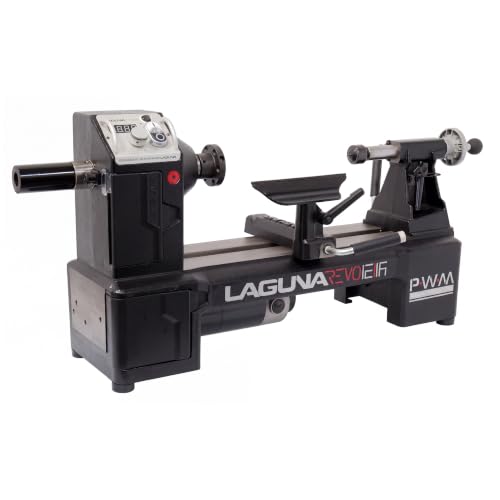
Laguna Revo 12|16 EVS Benchtop Wood Lathe
What We Like
- Wide 50-3500 RPM speed range for any task
- Versatile 12.5" bed and 16" outboard swing capacity
- Compact 118 lb design fits smaller shops
- Includes 24-position indexing and spindle lock
Trade-offs
- 15.5" between centers limits long spindle work
- 118 lb weight requires a sturdy, dedicated bench
- Outboard turning lacks a built-in stand solution
With a 1 HP motor and speed control from 50 to 3500 RPM, you get the low-end torque for starting a 16-inch bowl blank and the high-end finesse for finishing a delicate pen. This versatile power range packs a full-sized lathe’s capability into a benchtop unit, ideal for turners tackling varied projects in limited space. The included 24-position indexing system adds precise control for fluting or decorative patterns.
The trade-off for that compact design is the 15.5-inch distance between centers, which limits the length of spindles you can turn between the ends. For longer spindle projects, a model like the 40-inch Jet JWL-1640EVS would be required. However, if your focus is on bowls, peppermills, and other small-to-medium projects, the Laguna’s concentrated swing and power deliver substantial performance where many hobbyists need it most.
Product photos
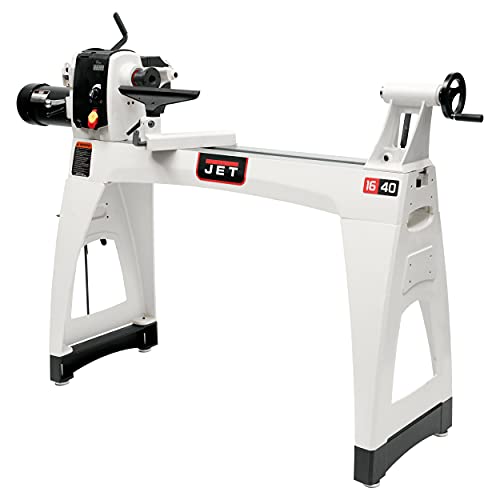
Jet JWL-1640EVS Variable Speed Wood Lathe
What We Like
- Electronic variable speed from 40 to 3200 RPM
- Extended spindle with dual headstock bearings
- 36 integrated indexing positions for precise work
- Enclosed inverter for added protection
Trade-offs
- Weighs 377 pounds, requiring a permanent, sturdy shop space
- 1-1/2 HP motor is less powerful than the 2 HP Jet JWL-1840EVS
A 16-inch swing and 40-inch between-centers capacity gives you the room to handle everything from hefty bowls to substantial spindles without feeling cramped. That electronic variable speed control, spanning 40 to 3200 RPM, means you can dial in the perfect rotation for roughing out green wood or applying a delicate finish without stopping to change belts. This lathe suits the turner who has outgrown a benchtop machine and needs a serious, full-size foundation for their craft. The 1-1/2 HP motor provides solid torque for most projects, and features like the spindle lock and upgraded banjo locking system show a design focused on practical shop use.
This capability comes with a substantial 377-pound footprint. It isn’t a tool you’ll move around the garage; it demands a dedicated, level stand and a 115V circuit. Compared to a compact benchtop like the Laguna Revo 12|16, you’re committing significant floor space for a much larger work envelope and heavier mass that dampens vibration. For those needing more power for the largest diameter blanks, stepping up to the 2 HP, 230V Jet JWL-1840EVS is the logical move, but that requires appropriate electrical service.
Jet JWL-1840EVS Variable Speed Wood Lathe

What We Like
- Electronic variable speed from 40 to 3200 RPM
- Remote emergency stop button for safety
- Positive locking wedge system on banjo
Trade-offs
- Requires dedicated 230V single-phase power
- At 418 pounds, it demands a permanent, sturdy shop floor
- Its 73-inch length requires significant shop space
An 18-inch swing and 40-inch between-centers capacity lets you handle large bowls and substantial spindle work that would overwhelm smaller machines. This is a lathe for a serious turner with a dedicated workshop, built around a 2 HP motor that provides the torque for deep, controlled cuts in dense hardwoods. The electronic variable speed control is a significant upgrade, allowing you to dial in the perfect RPM for each stage of a project without stopping to change belts.
Its 418-pound weight means it stays put once installed, and it requires a dedicated 230-volt circuit. Compared to the lighter Jet JWL-1640EVS, this model adds two more inches of swing and a half-horsepower increase. For a turner with the dedicated space and electrical capacity, it provides a stable base for larger projects.
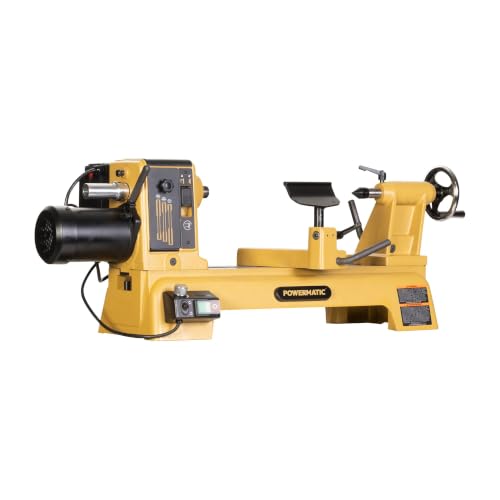
Powermatic 2014B Benchtop Lathe
What We Like
- Excellent low-speed control down to 15 RPM
- Heavy cast iron bed reduces vibration
- Large 14-inch swing for versatile projects
- Tool-rest lock can be mounted on either side
Trade-offs
- Heavy 187-pound weight limits bench portability
- Tailstock quill lacks a stopped keyway
A 15 RPM low-end speed gives you exceptional control for starting unbalanced stock and delicate finishing cuts. This Powermatic is built for the turner who values a smooth, chatter-free start above all else. Its 1 HP motor, fed by a VFD from a standard outlet, provides the torque for that control without needing special wiring. The 187-pound cast iron frame soaks up vibration, so you get cleaner cuts even when the workpiece isn’t perfectly round yet. It’s a serious bench lathe for someone ready to move beyond the basics of spindle work into more ambitious bowl turning.
You pay for that stability and low-speed prowess with a substantial footprint and heft. It’s a workshop anchor, not something you’ll slide onto a shelf. Compared to a more compact option like the Laguna Revo 10|14, you gain significant mass and that wider speed range, but you lose easy portability. The tooling is professional-grade, though note that the tailstock design, while solid, doesn’t have the stopped keyway some other premium models feature.
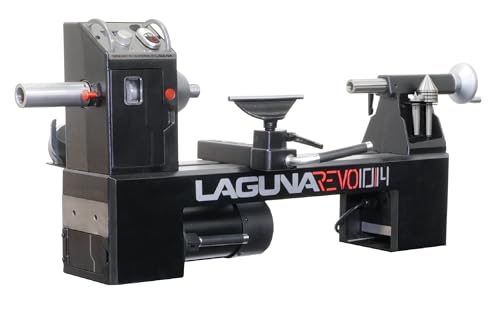
Laguna Revo 10|14 Benchtop EVS Wood Lathe
What We Like
- Cast iron construction provides excellent vibration dampening
- Electronic speed control with digital RPM readout for precision
- 24-position indexing and professional accessory kit included
- Compact 35.4-inch bed fits small shop benchtop setups
Trade-offs
- Freight delivery requires scheduling and a contact number
- 95-pound weight demands a sturdy, dedicated bench or stand
- Maximum 10-inch swing limits larger bowl and platter projects
For small shops and benchtop setups, this Laguna lathe packs a 1 HP motor and cast iron construction into a 35.4-inch frame, delivering professional rigidity without a large footprint. It handles workpieces up to 10 inches in diameter and 14 inches long, which covers most bowls and spindles for detailed turning. The 95-pound weight, combined with its cast iron components, provides the vibration dampening needed for smooth cuts on a sturdy bench.
Its compact, 95-pound design provides stability but works within defined capacity limits. This lathe excels within its designed range, pairing premium features like electronic variable speed and a self-ejecting tailstock with a footprint that fits on a workbench. It’s a tool that refuses to compromise on build quality just because it’s built small.
Product photos
WEN 34035 Variable Speed Benchtop Wood Lathe

What We Like
- Variable speed from 250 to 3550 RPM
- Accepts standard MT2 accessories
- Includes faceplate, spur center, and live center
- Onboard accessory holder for organization
Trade-offs
- 20-inch length limits spindle turning capacity
- Benchtop design requires a sturdy, dedicated surface
A 14-inch swing and 20-inch length let you tackle a solid range of bowls and spindles right out of the box. The variable speed dial gives you the control needed for everything from roughing to finishing cuts. This is the lathe for a beginner or occasional turner who wants to learn the craft without a major investment. It offers the core features needed to understand tool handling and project workflow on a manageable scale.
The accessible design of this lathe is balanced against its power and capacity when lined up against something like the Jet JWL-1640EVS. That Jet’s 1-1/2 HP motor and 40-inch bed can handle larger, more demanding stock and more aggressive cuts. The WEN establishes a competent foundation for shop growth, but its 6A motor and benchtop footprint mean you’ll eventually outgrow it if you pursue large bowl turning or production work.
Grizzly Industrial G0842 Wood Lathe

What We Like
- Includes a dedicated copy attachment
- Full 37-inch capacity for spindle work
- Runs on standard 110V household power
- Substantial 170-pound weight for stability
Trade-offs
- Copy device reduces between-centers capacity to 32 inches
- Swing over tool rest base is limited to 9 inches
The inclusion of a copy attachment is the defining feature of this lathe, making it a unique and ready-to-go solution for anyone wanting to produce duplicate spindles or columns without separate jigs. With a 14-inch swing and a solid 170-pound frame, it provides a stable platform for that kind of production work. This setup is ideal for a turner who specifically needs that replication capability and wants it integrated from the start, avoiding the hassle and expense of sourcing a compatible accessory later.
The built-in copy attachment adds functionality but affects the core specifications. When engaged, the attachment itself claims some real estate, shortening the usable distance between centers by five inches. For a turner focused on general bowl turning or very long spindles without duplication needs, a more powerful, dedicated lathe would be a more efficient investment.
VEVOR 14" x 40" 4-Speed Wood Lathe

What We Like
- Exceptionally light at just 50.7 pounds for a full 40-inch lathe.
- Includes three chisels and a faceplate for immediate start-up.
- Aluminum alloy base and steel headstock for reduced vibration.
- Four fixed speeds cover a useful range for small projects.
Trade-offs
- 0.5 HP motor limits cutting depth on dense hardwoods.
- Fixed speed pulleys require stopping to change, unlike variable-speed models.
- Lighter weight may require more secure bench mounting for stability.
Weighing just over 50 pounds, this lathe is genuinely portable. Its 0.5 HP motor and 40-inch bed let you turn spindles and smaller bowls right out of the box, with the included chisels getting you started. This is a straightforward machine for a woodworker who needs to move it around the shop or put it away between sessions. It focuses on pens, tool handles, and other modest turnings where brute power isn’t the priority.
This lathe uses a 0.5 HP motor and offers four fixed speeds from 885 to 2425 RPM, requiring a belt change to shift between them. That motor provides enough power for the small wooden items like pens and bowls it’s designed for. Its aluminum alloy base and steel headstock are built to minimize vibration during these operations.
Product photos
WEN LA3421 Mini Benchtop Wood Lathe
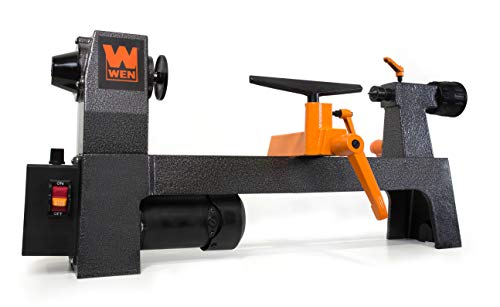
What We Like
- Soft-start motor for smoother, safer startups
- Variable speed control across a wide 750-3200 RPM range
- Compact 13-inch between-centers design for small shops
- Includes essential accessories like a face plate and two tool rests
Trade-offs
- 8-inch swing limits workpiece diameter significantly
- 13-inch capacity restricts projects to very short lengths
An 8-inch swing and 13-inch between-centers capacity define this lathe’s purpose. It’s built for the woodturner who works exclusively with small blanks, making it a logical fit for a secondary bench in a dedicated shop or a first machine for someone with very limited space. The variable speed control and soft-start motor provide the essential control needed for delicate work on pens, knobs, and other miniature projects. This setup forgives the learning curve of a first-time turner while delivering the precision small work demands.
The trade-off is in its strict size limitations. You cannot turn a standard bowl blank or any spindle longer than a foot, which confines your project scope. When you need to step up to something like a small bowl or a longer tool handle, you’ll quickly outgrow this machine. For that intermediate step, the Laguna Revo 10|14 offers a more capable 10-inch swing and 14-inch capacity while remaining a benchtop model, giving you more room to develop your skills without a massive footprint.
Product photos
VEVOR 14" x 20" Benchtop Wood Lathe
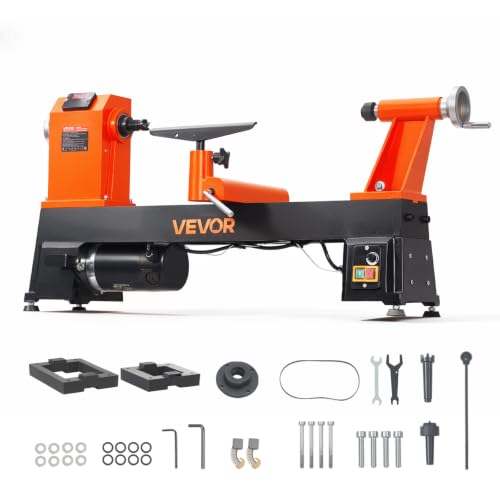
What We Like
- Includes riser block to expand swing to 16 inches
- 1 HP motor with wide 150-3500 RPM variable speed range
- Cast iron frame for reduced vibration and stability
- Complete kit ready to use out of the box
Trade-offs
- 108.7 lb weight demands a sturdy, permanent benchtop
- 20-inch between-centers capacity limits longer spindle work
The included riser block that boosts the swing capacity to 16 inches is the key feature here. This makes the lathe a flexible choice for turners who want to tackle larger bowl blanks without committing to a full-floor model. For the advanced hobbyist or professional looking at a benchtop machine, that extra two inches of clearance opens up a wider range of projects. The 1 HP motor paired with a broad variable speed range provides the control needed for both roughing and finishing. It’s a solid package for someone who needs more than a mini-lathe but doesn’t have the floor space for a behemoth.
With a 20-inch distance between centers, this lathe handles projects like table legs and long-handled tools, fitting a range of spindle work within that span. Its 108.7-pound cast iron frame reduces vibration for smoother cuts, but that substantial weight also means it benefits from being securely mounted to a sturdy bench. Compared to the 40-inch capacity of the Jet JWL-1640EVS, the VEVOR model occupies a more compact footprint, suiting shops where a full-size floor model won’t fit.
Product photos
How We Evaluated Woodturning Lathes
Our evaluation was research-based. We analyzed manufacturer specifications and expert reviews from publications like Wood Magazine and Woodworker’s Journal to understand professional benchmarks. We also studied recurring themes in owner feedback across retailers to identify real-world performance and common trade-offs.
We prioritized three key criteria. Swing capacity and between-centers distance determine the physical size of projects you can tackle, making them the fundamental starting point. Motor power and speed control, especially the availability of electronic variable speed (EVS), dictate how smoothly you can handle different materials and cuts. Finally, we assessed build quality and stability, focusing on weight, construction materials like cast iron, and features that reduce vibration for a cleaner finish.
The primary limit of our research-led approach is that we cannot report on long-term durability or subtle differences in “feel” during operation. We rely on aggregated owner experiences and expert testing to highlight these aspects, but personal preference for control layout or noise level is best judged hands-on.
What To Look For In Woodturning Lathes
Selecting a lathe means matching its physical and mechanical limits to your project goals and shop space. A well-chosen machine becomes a creative partner, not a constraint.
Key factors are swing (max workpiece diameter), bed length (for spindle length), motor power, and speed control. Stability from weight and construction is critical for smooth cuts, especially on larger blanks.
Capacity: Swing and Bed Length
Swing capacity, measured as the maximum diameter of wood that can rotate over the bed, is your primary limit for bowl and platter work. Our picks range from an 8-inch swing for pens to 18 inches for large bowls. Between-centers distance dictates how long a spindle, like a table leg, you can turn.
Consider a comparison of mini vs full-size lathes if space is limited but you need versatility. Benchtop models often offer shorter beds, while full-size floor models provide 40 inches or more. Remember, the listed distance is reduced by the length of your drive and live centers.
Power and Speed Control
Motor horsepower determines how effectively the lathe maintains speed under load, especially when turning dense hardwoods or taking heavy cuts. Benchtop models often feature motors under one horsepower, while full-size lathes offer one and a half to two horsepower. Speed control is equally vital. Electronic Variable Speed (EVS) allows you to dial in the optimal RPM without stopping, which is essential for starting unbalanced bowl blanks at a safe, low speed. Many experts consider EVS an important feature for serious turning, as it greatly improves workflow and safety.
Stability and Build Quality
A lathe must be solid to dampen vibration, which leads to chatter and a rough surface finish. Weight is a strong indicator; heavier machines, often with cast iron beds and headstocks, absorb vibration better. Features like a massive cast iron bed, as highlighted in reviews of the best wood lathes, are prized for this reason. The banjo and tool rest should lock down securely without creeping. For benchtop models, this stability depends entirely on mounting them to a stout, dedicated workbench.
- Check the bed construction: cast iron is superior for damping vibration compared to aluminum or steel tubing.
- Ensure the tool rest post is at least 1 inch in diameter for rigidity.
- Consider the quill travel on the tailstock; more travel allows for deeper drilling without repositioning.
- Look for a headstock spindle with a common Morse Taper size (like MT2) for easy accessory compatibility.
A lathe that vibrates is frustrating to use and limits the quality of your work, so prioritize mass and rigid construction.
Woodturning Lathes Compared
The table below compares the key specifications of our top picks to help you see the differences in capacity, power, and design at a glance.
| Product | Motor Power | Swing Over Bed | Distance Between Centers | Speed Range |
|---|---|---|---|---|
| Laguna Revo 12|16 EVS Benchtop Wood Lathe | 1 HP | 12.5 inches | 15.5 inches | 50 to 3,500 RPM |
| Jet JWL-1640EVS Variable Speed Wood Lathe | 1-1/2 HP | 16 inches | 40 inches | 40 to 3200 RPM |
| Jet JWL-1840EVS Variable Speed Wood Lathe | 2 HP | 18 inches | 40 inches | 40-3200 RPM |
| Powermatic 2014B Benchtop Lathe | 1 HP | 14 inches | 20 inches | 15 to 3,600 RPM |
| Laguna Revo 10|14 Benchtop EVS Wood Lathe | 1 HP | 10" diameter | 14" length | 250-3,200 RPM |
| WEN 34035 Variable Speed Benchtop Wood Lathe | 6A | 14" wide | 20" long | 250-3550 RPM |
| Grizzly Industrial G0842 Wood Lathe | 3/4 HP | 14 inches | 37 inches | N/A |
| VEVOR 14" x 40" 4-Speed Wood Lathe | 0.5 HP (370W) | 14 inches | 40 inches | 4 (885-2425 RPM) |
| WEN LA3421 Mini Benchtop Wood Lathe | 3.2-amp soft-start | 8 inches | 13 inches | 750 to 3200 RPM |
| VEVOR 14" x 20" Benchtop Wood Lathe | 1 HP / 750W | 14 in | 20 in | 150-3500 RPM |
Frequently Asked Questions
Who makes the best wood turning lathes?
Several manufacturers are highly regarded for different needs. Brands like Laguna, Jet, and Powermatic are consistently praised in expert wood lathe reviews for their build quality and features. The “best” brand depends on your specific requirement, such as compact design, large capacity, or budget-friendly entry points, which is why our list includes multiple manufacturers.
What is the best lathe for woodturning?
The best lathe balances the project size you plan to turn with your available shop space and budget. For most turners seeking a versatile machine that doesn’t dominate the shop, a benchtop model with a 12-14 inch swing and variable speed, like our best overall Laguna Revo 12|16, is an excellent starting point. Our guide to lathes for bowl turning details features specifically important for that discipline.
What is the best lathe machine for home use?
For a home workshop, consider a midi or benchtop lathe that offers a good mix of capacity and a manageable footprint. Models like the Powermatic 2014B or the Jet JWL-1640EVS provide professional features without the overwhelming size and power requirements of an industrial machine. Your choice should factor in whether you have a permanent installation space or need to store the lathe after use.
Who makes the best lathe in the world?
This is subjective and depends on the application. In professional woodworking circles, brands like Oneway and Powermatic are often mentioned for their exceptional durability and precision. However, for the vast majority of hobbyists and serious amateurs, brands like Jet, Laguna, and Nova offer outstanding performance that represents a better value, making them some of the best woodworking lathes for home shops.
What should a beginner look for in a first wood lathe?
A beginner should prioritize safety, ease of use, and affordability. Look for a lathe with variable speed control, a reliable brand with good customer support, and one that includes essential accessories to start. A model like the WEN 34035 or a compact lathe for beginners allows you to learn fundamental lathe basics without an overwhelming investment.
The Bottom Line
The Laguna Revo 12|16 EVS Benchtop Wood Lathe is our best overall pick because it delivers professional features like a wide speed range and versatile swing capacity in a relatively compact, shop-friendly package. It’s ideal for turners who work on a variety of mid-sized projects like bowls and spindles.
If your budget is tight, start with the WEN 34035. If you have a permanent shop and regularly turn large bowls, step up to the Jet JWL-1840EVS for its greater power and capacity. No matter your choice, ensure the lathe’s swing and bed length comfortably exceed the dimensions of the projects you dream of making.
