
10 Best 16 Gauge Finish Nailers in 2026
This post contains affiliate links. As an Amazon Associate, we earn from qualifying purchases.
Our best overall 16 gauge finish nailer is the DEWALT 20V MAX Cordless Angled Finish Nailer, which wins for delivering compressor-free convenience without sacrificing performance. We also highlight the Milwaukee M18 Fuel for raw cordless power and the Metabo HPT NT65M2S as the best lightweight pneumatic option. Choosing the right tool means balancing the freedom of battery power with the lighter weight and lower cost of air-powered models. This guide is based on research into manufacturer specifications, expert round-ups, and patterns in owner feedback to help you invest confidently.
Top 10 16 Gauge Finish Nailers in the Market
Certain content that appears on this site comes from Amazon. This content is provided "as is" and is subject to change or removal at any time.
The Best 16 Gauge Finish Nailers, Reviewed
DEWALT 20V MAX Cordless Angled Finish Nailer
What We Like
- Eliminates compressor, hose, and gas cartridges
- Tool-free jam release and depth adjustment
- Brushless motor for runtime and durability
- Multi-functional LED lights for illumination and diagnostics
Trade-offs
- Battery and charger sold separately
- Owner feedback notes a slight firing delay
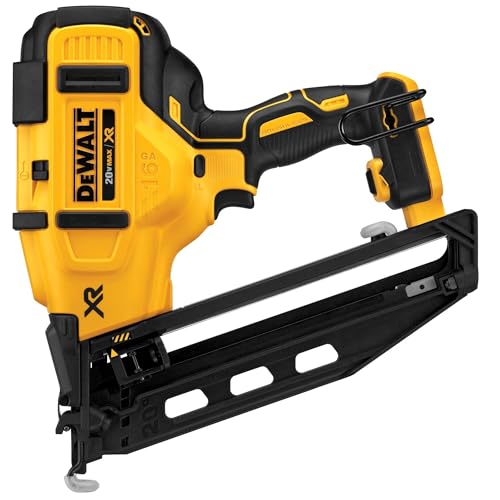
This 100% battery-powered finish nailer eliminates the need for a compressor, hose, or gas cartridges, offering complete cordless freedom to move around a job site. Its brushless motor is designed to maximize runtime and durability for extended use. Tool-free adjustments for depth and jam clearing, along with an integrated stall release lever, are built for minimizing downtime during a project.
The trade-off for that cordless freedom is a bit of bulk up top and that slight hesitation at the trigger some pros mention. It’s not the lightning-quick shot of a lightweight pneumatic like the Metabo HPT NT65M2S. You’re also buying into a battery platform, so factor that in if you don’t already own DEWALT 20V tools. But for driving finish nails all day without a tether, the balance it strikes between performance, features, and manageable weight is why it stands out in the cordless category.
Milwaukee M18 Fuel Straight Finish Nailer
What We Like
- No gas cartridge required
- Tool-free depth and jam clearing
- Fires 700 nails per charge
- Sequential and contact firing modes
Trade-offs
- Tool only: battery and charger sold separately
- At 8.1 lb, it's heavier than most pneumatic models
- Length of 15.2 inches can be cumbersome in tight spaces
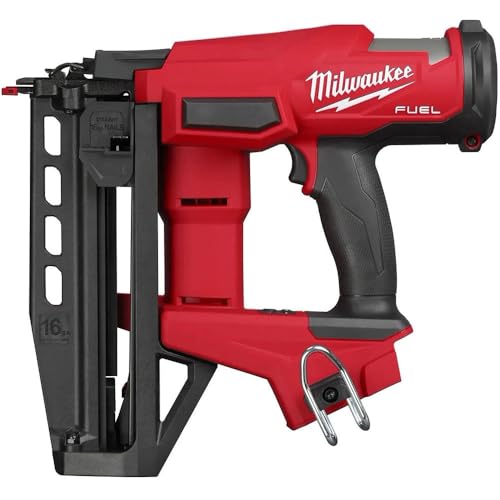
This nailer delivers 700 nails on a single charge, which means you can run a full day of trim work without hunting for an outlet or an air hose. It’s built for the contractor or serious DIYer already invested in the M18 platform who needs cordless freedom without sacrificing the power to sink nails into hardwoods. The brushless motor and system intelligence ensure it has the guts for the job, matching the performance we expect from pneumatic tools.
The tool’s cordless design adds heft, weighing 8.1 pounds with a 15.2-inch length, so it feels solid during use. This makes it noticeably larger than some pneumatic models, such as the 3.7-pound Metabo HPT NT65M2S. You gain a hose-free workspace but carry more tool weight, a typical trade-off for battery-powered nailers.
Metabo HPT NT65M2S Pneumatic Finish Nailer

What We Like
- Exceptionally lightweight at only 3.7 pounds
- Proven reliability with a long-running industry award
- Flexible trigger with selectable firing modes
- Convenient air duster button for clearing debris
Trade-offs
- Pneumatic operation requires a separate air compressor
- No battery option for cordless flexibility
Weighing only 3.7 pounds, this nailer is built to be carried all day without wearing out your arm. Its well-balanced design is noted for minimal fatigue and increased maneuverability. The tool-free depth adjustment helps you dial in the perfect countersink for a professional finish across different materials. It drives 16-gauge nails in lengths from 1 inch up to 2-1/2 inches, which research mentions has the power to drive the largest nails in hardwoods.
The trade-off is the air hose. You need a compressor, which tethers you and adds to your kit’s overall bulk. For pure mobility, a cordless model like the DEWALT DCN660B is an alternative. For shop-based work or jobs where you can easily run a hose, this pneumatic nailer’s lightweight reliability is hard to beat.
Makita XNB05Z Brushless Cordless Finish Nailer
What We Like
- Ultra-compact, ergonomic design for tight spaces.
- Slim nose enables accurate placement in confined areas.
- Drives up to 2,750 nails per charge for extended runtime.
- Tool-less jam clearing and depth adjustment for quick fixes.
Trade-offs
- Tool only: requires a separate Makita 18V LXT battery and charger.
- Straight magazine design is longer than angled competitors like the Bosch.
- At 6.6 lbs with battery, it's heavier than pneumatic models like the 3.7 lb Metabo HPT.
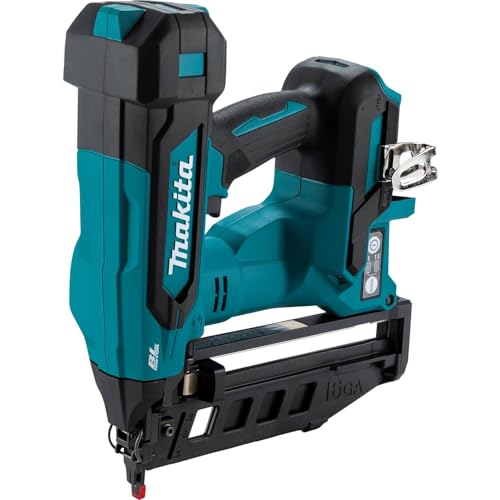
The Makita XNB05Z finish nailer weighs 6.6 pounds with a battery, which contributes to its compact and ergonomic design. It drives up to 2,750 nails per charge with a 5.0Ah battery, a capacity the manufacturer calls class-leading. A slim nose design allows for nailing access in confined areas and accurate nail placement.
Its straight magazine design results in a length of 11.4 inches. This straight configuration can be compared to the angled design of tools like the Bosch GNH18V-16MAN, which is 13.3 inches long. The Makita’s tool-less depth adjustment dial allows for precise flush and countersink nailing.
Product photos
Porter-Cable FN250SB Pneumatic Finish Nailer

What We Like
- Pneumatic design for consistent power.
- Porter-Cable brand reliability at entry-level.
- Standard 16-gauge nail compatibility.
Trade-offs
- Requires a separate air compressor to operate.
- No cordless freedom like the DEWALT DCN660B.
The Porter-Cable FN250SB is a pneumatic tool, so it requires a connection to an air compressor. This means its operation is tied directly to a stationary air source, a setup common in workshops and garages.
Being pneumatic, it is physically connected to a compressor via a hose. This limits mobility compared to cordless options like the Milwaukee M18 Fuel nailer, which is not tethered. For work that involves frequent movement, such as climbing a ladder, the hose presents a constraint.
Metabo HPT MultiVolt Cordless Finish Nailer

What We Like
- Zero ramp-up time for immediate firing
- Tool-less depth adjustment for precision
- Air Spring Drive mimics pneumatic performance
Trade-offs
- Heavier than pneumatic models like the 3.7 lb Metabo HPT NT65M2S
- At 5.7 lbs, wrist fatigue may set in on all-day overhead work
Driving up to three nails per second with no ramp-up time means you can fly through trim and molding jobs without waiting for the tool to cycle. This 2025 Pro Tools Innovation Award winner is the cordless nailer for the contractor or serious DIYer who needs pneumatic-like speed without the hose. Its 5.7-pound frame is a meaningful reduction in bulk, making it easier to handle in tight corners and on ladders, and the 2.0Ah battery allows for up to 800 finish nails per charge.
This cordless nailer is notably heavier than a dedicated pneumatic tool, so your arm will feel the difference after a full day of installing crown molding. If absolute lightness is your top priority, a pneumatic model is the way to go. For those who value a complete lack of hoses and a compressor and need fast, consistent drive, this Metabo HPT sets a high bar. Its lighter heft is a significant advantage in maneuverability compared to heavier cordless rivals like the 8.1-pound Milwaukee.
BOSCH GNH18V-16MAN Cordless Angled Nailer

What We Like
- One-handed activation streamlines workflow
- Wide-view contact tip for precise positioning
- Low recoil enhances comfort and control
- Pneumatic-like performance without hoses
Trade-offs
- Bare tool: requires separate Bosch CORE18V battery purchase
- At 6.6 lb, it's heavier than the 3.7 lb Metabo HPT NT65M2S pneumatic
One-handed activation helps streamline work by letting you hold the workpiece steady with your free hand. This is paired with an intuitive interface for toggling between firing modes and a stepless depth adjustment with an ergonomic thumb wheel. Together, these features are designed to keep the work process moving without interruption.
The tool measures 13.3 inches in length and weighs 6.6 pounds, which is a substantial handful compared to the 3.7-pound Metabo HPT NT65M2S pneumatic nailer. It is a bare tool, so a compatible Bosch battery and charger are required and sold separately. This cordless design provides pneumatic-like performance by eliminating the need for a compressor and hoses.
Paslode 515500 Pneumatic Finish Nailer

What We Like
- Flared two-finger trigger for improved reach
- Fully grippable handle for balance and comfort
- Oil-free design reduces maintenance and cleanup
- Drives nails flush with consistent precision
Trade-offs
- Requires an air compressor and hose, limiting mobility
- At 16.7 inches long, it is less compact than some pneumatic rivals like the Metabo HPT NT65M2S
- No cordless battery option for complete jobsite freedom
The Paslode 515500’s 3.9-pound weight and flared trigger are built for all-day comfort. That specific design lets you get a full, balanced grip and reduces hand fatigue during long runs of trim work. It’s a clear choice for the installer who values a tool that feels like an extension of their arm over raw portability, and the oil-free operation means less mess in the shop.
You pay for that ergonomic focus with a tether. The pneumatic design demands a compressor, so it’s best for a workshop or a site where you can run a hose. If you need to move freely between rooms or floors without that setup, a cordless model like the DEWALT DCN660B would be a more practical match despite its different feel in the hand.
Product photos
Makita XNB06Z Cordless Angled Finish Nailer
What We Like
- Class-leading cordless nail count per charge
- Slim nose for access in tight spaces
- Ultra-compact, ergonomic design for maneuverability
- Tool-less depth adjustment and jam clearing
Trade-offs
- Tool only: requires separate Makita 18V LXT battery and charger
- At 6.6 lbs with battery, it's heavier than pneumatic models like the 3.7 lb Metabo HPT NT65M2S
- Angled magazine design, while compact, differs from straight-nailer workflow
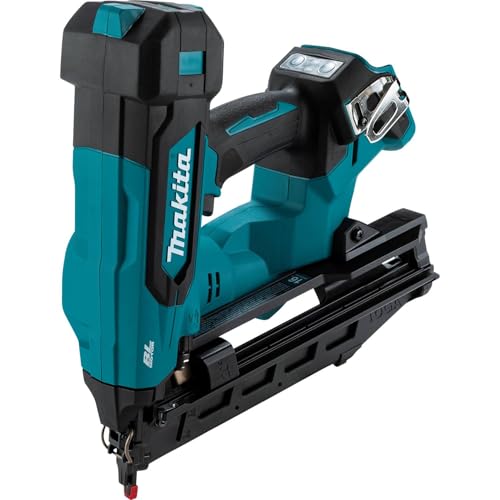
The ability to drive up to 2,750 nails on a single charge with a 5.0Ah battery means you can tackle large trim jobs or a full day of cabinet installation without stopping to swap batteries. This makes it a prime candidate for pros or serious DIYers who need cordless freedom and demand maximum runtime. Its slim nose and compact build let you work in corners and tight spots where bulkier nailers would struggle.
This Makita’s endurance and compact design come with added weight compared to a pneumatic tool, and it requires the Makita 18V LXT battery platform to operate. A pneumatic model like the Metabo HPT NT65M2S will feel noticeably lighter in the hand over a long day for users who prioritize outright weight and already have a compressor. But if runtime is your main concern, this nailer’s efficiency is hard to match in the cordless category.
Product photos
RYOBI ONE+ AirStrike Cordless Finish Nailer

What We Like
- Cordless AirStrike needs no compressor or hoses
- Small nose excels in tight corners and spaces
- Adjustable speed dial for optimal drive control
- Part of extensive Ryobi ONE+ 18V tool ecosystem
Trade-offs
- Tool only: requires separate Ryobi 18V battery and charger
- L 14.4 inches long, can feel bulky in very confined spots
- Brushless HP model mentioned but not the one specified
Its 78% smaller nose compared to the older model is the real story here, letting you sink a nail flush in corners and under cabinets where bulkier nailers simply won’t fit. This makes the Ryobi a standout for finish carpenters and DIYers tackling detailed trim work, crown molding, or cabinetry. The cordless AirStrike system means you can leave the compressor in the garage, and the adjustable dial helps you match power to the material without risking damage.
The main trade-off is that you’re buying into the Ryobi 18V ONE+ system. If you don’t already own those batteries, you need to factor that in. While its compact nose is a major advantage for precision, the overall tool length is comparable to others, so it’s not the most compact in every dimension. For pure, all-day driving power on a big job site, a pro might lean towards the Milwaukee M18 Fuel, but for getting into awkward spots without a hose, this Ryobi is hard to beat.
Product photos
How We Evaluated 16 Gauge Finish Nailers
Our process focused on manufacturer documentation and independent expert round-ups to compare specifications like power source, weight, and features. We also analyzed common themes in owner feedback across retailers to understand real-world reliability and ergonomics. The key criteria were power and consistency, weight and ergonomics for all-day use, and magazine design for access in tight spaces. This research-based approach cannot replicate years of daily professional use, but it reveals which models consistently meet user needs for trim and finish work.
What To Look For In 16 Gauge Finish Nailers
A 16 gauge nailer is ideal for attaching baseboards, crown molding, and other interior trim. The right choice depends heavily on your workspace and existing tools.
Focus on power source (cordless vs. Pneumatic), tool weight and balance, and magazine design (angled vs. Straight) for accessing corners and tight spots.
Power Source: Cordless vs. Pneumatic
Cordless nailers offer total jobsite freedom, eliminating the need for a loud compressor and a trailing air hose. They are heavier due to the battery and drive mechanism, and they represent a premium investment, especially if you’re not already committed to a particular battery platform. Pneumatic models are lighter, less expensive for the tool itself, and deliver consistent power, but they require a separate air compressor with adequate output (CFM).
Weight and Ergonomics
A lighter tool reduces fatigue during overhead work or long installation sessions. Top pneumatic models can weigh under 4 pounds, while cordless versions are typically heavier with a battery installed. Look for a comfortable, grippable handle and a balanced feel. Some models feature a flared two-finger trigger for better reach or a low-recoil design for improved control.
Magazine Design and Nose Profile
Angled magazines provide a more compact profile for nailing in tight corners and against obstacles. A slim, small nose further enhances precision in confined spaces. Straight magazines are longer but can be easier to load and often use less expensive nails. Your workflow and the typical spaces you work in should guide this choice.
- Check the maximum nail length the tool accepts (commonly up to 2.5 inches).
- Confirm the tool offers a tool-free depth adjustment for setting nails flush.
- Ensure the jam-clearing mechanism is simple and doesn’t require tools.
For general trim work, a 16 gauge nail offers a good balance of holding power and a relatively small hole to fill.
16 Gauge Finish Nailers Compared
The table below compares key specifications across our ten picks to help you see the differences at a glance.
| Product | Weight | Nail Length Range | Depth Adjustment |
|---|---|---|---|
| DEWALT 20V MAX Cordless Angled Finish Nailer | 1.0 pounds | N/A | Tool-free |
| Milwaukee M18 Fuel Straight Finish Nailer | 8.1 pounds | 1 – 2 ½ inches | Tool Free |
| Metabo HPT NT65M2S Pneumatic Finish Nailer | 3.7 pounds | 1-in to 2-1/2-in | Tool-free |
| Makita XNB05Z Brushless Cordless Finish Nailer | 6.6 lbs | 3/4" to 2-1/2" | Tool-less dial |
| Porter-Cable FN250SB Pneumatic Finish Nailer | N/A | N/A | N/A |
| Metabo HPT MultiVolt Cordless Finish Nailer | 5.7 lbs | 1" to 2-1/2" | Tool-less |
| BOSCH GNH18V-16MAN Cordless Angled Nailer | 6.6 pounds | N/A | Tool-free |
| Paslode 515500 Pneumatic Finish Nailer | 3.9 pounds | N/A | N/A |
| Makita XNB06Z Cordless Angled Finish Nailer | 6.6 lbs | 1-1/4" to 2-1/2" | Tool-less dial |
| RYOBI ONE+ AirStrike Cordless Finish Nailer | N/A | N/A | N/A |
Frequently Asked Questions
What is the top-rated 16 gauge finish nailer?
Our research points to the DEWALT 20V MAX Cordless Angled Finish Nailer as a top-rated model for its blend of cordless convenience and reliable performance. It eliminates the compressor and hose while offering a brushless motor and useful features like tool-free jam clearing and depth adjustment.
Which brand of finish nailer is considered the best?
There is no single “best” brand, as the top choice depends on your needs. For a large cordless tool system, DeWalt and Milwaukee are highly regarded. For lightweight pneumatic tools, Metabo HPT has a strong reputation. Brands like Makita and Bosch also produce excellent models favored for specific strengths like compact design or one-handed use.
What is the best 16-g nail gun for tight spaces?
For tight spaces, look for a model with a compact design and a slim nose. The Makita XNB05Z Brushless Cordless Finish Nailer and the RYOBI ONE+ AirStrike Cordless Finish Nailer are both highlighted for their ability to maneuver into cramped corners without a hose.
Should I choose a cordless or pneumatic finish nailer?
Choose cordless if you value jobsite mobility and don’t want to manage an air compressor and hose. Opt for pneumatic if you already own a capable compressor, prioritize the lightest possible tool weight, and want a more budget-friendly tool investment.
What’s the difference between a 16 gauge and an 18 gauge nailer?
A 16 gauge finish nailer uses thicker, stronger nails (typically 1.25″ to 2.5″ long) for attaching trim like baseboards and crown molding where more holding power is needed. An 18 gauge brad nailer uses thinner brads for more delicate work like attaching small trim, securing thin panels, or any application where you want the smallest possible hole.
The Bottom Line
The DEWALT 20V MAX Cordless Angled Finish Nailer is the best overall choice for professionals and serious DIYers building out a cordless tool system, offering a great balance of power and compressor-free convenience. If you’re on a budget and already own an air compressor, the Porter-Cable FN250SB provides reliable pneumatic performance, while those who prioritize minimal fatigue should look at the exceptionally lightweight Metabo HPT NT65M2S. Your decision ultimately hinges on whether the freedom of cordless operation is worth the extra weight and cost for your specific trim and finish projects.
