
6 Best Nailers For Hardie Siding in 2026
This post contains affiliate links. As an Amazon Associate, we earn from qualifying purchases.
Our top choice for installing Hardie siding is the Paslode Pneumatic Coil Siding Nailer for its tool-free depth adjustment and reliable performance. We also highlight the high-capacity meite CN65 and the budget-friendly Spot Nails Coil Siding Nailer. Installing fiber cement siding demands a tool that can drive nails flush without damaging the brittle material. We researched specs, manufacturer guidelines, and professional feedback to find the nailers that meet this specific task. This guide helps you match a tool to your project’s scale and workflow.
Top 6 Nailers For Hardie Siding in the Market
Certain content that appears on this site comes from Amazon. This content is provided "as is" and is subject to change or removal at any time.
The Best Nailers For Hardie Siding, Reviewed
Paslode Pneumatic Coil Siding Nailer
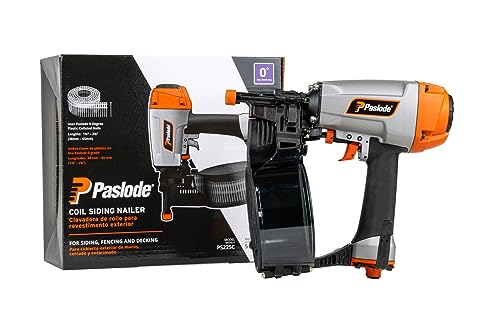
What We Like
- Tool-free adjustable drive depth
- Switchable bump and sequential trigger
- Lightweight 4.5 lb design
- Durable metal belt hook
Trade-offs
- Requires a capable air compressor to operate
- 0-degree angle may limit access in tight corners
Tool-free depth adjustment allows precise flush drives with a simple twist, eliminating the need to go back and caulk. At 4.5 pounds, the nailer is light enough to help minimize arm fatigue during extended overhead work. Its metal belt hook is built to withstand tough job site conditions for long-lasting use.
A capable air compressor is required to operate this pneumatic tool. The 0-degree coil design differs from 15-degree models like the BHTOP, which may affect access in tight corners. Its high load coil capacity and switchable trigger provide versatility for sequential or bump firing without tools.
meite CN65 Coil Siding Nailer
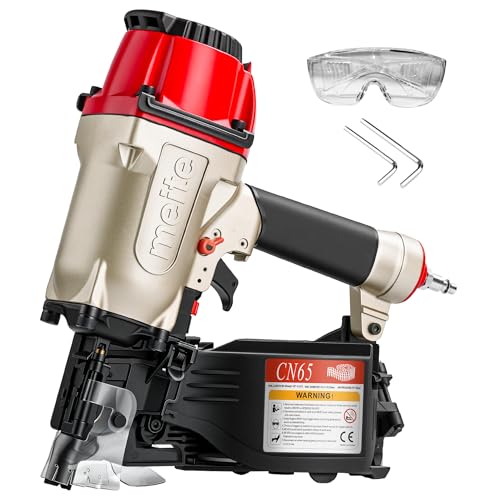
What We Like
- Tool-free depth adjustment wheel
- 360-degree adjustable exhaust port
- High-capacity 300-nail coil magazine
- No-mar tip for pre-finished materials
Trade-offs
- At 6.5 lbs, it's heavier than several pneumatic competitors
- Requires a compressor setup, not a cordless tool
A 300-nail capacity means you can run long stretches of Hardie siding or LP SmartSide without stopping to reload. That’s the kind of efficiency that keeps a crew moving on a big exterior job. This nailer is built for the pro who needs to maximize square footage covered per hour, with a die-cast aluminum housing and a driver assembly engineered for high-cycle use. The tool-free depth adjustment lets you dial in the perfect set for fiber cement or cedar on the fly, keeping your finish clean and consistent.
The trade-off for that capacity and durability is heft; at 6.5 pounds, it demands more arm strength over a full day compared to lighter models like the Spot Nails Coil Siding Nailer. It’s a pneumatic workhorse designed to drop into an existing compressor setup and survive the seasons. For large-scale siding and fencing projects where downtime for reloading is the real enemy, this tool’s design philosophy pays off. Just be sure your air supply can keep up with its 85-115 PSI operating range.
CREWTOWER Pneumatic Coil Siding Nailer

What We Like
- Blistering rapid-fire rate of 10 nails per second
- Quick-release nosepiece for easy jam clearing
- Adjustable depth and interchangeable firing trigger
Trade-offs
- Requires a separate air compressor (tool only)
- Limited to pneumatic power, no cordless option
A firing rate of 10 nails per second is the headline here, turning long runs of Hardie siding into a task you can breeze through. That moving cylinder engine and low recoil mean you can maintain a steady, accurate rhythm without fighting the tool, which is exactly what you want when speed and precision are both on the line. For a contractor facing a multi-day siding job or a dedicated DIYer with a large outbuilding to cover, this pace is a serious productivity boost.
This is a pneumatic tool requiring an air compressor, which adds to the setup and limits mobility compared to cordless systems. At 5.5 pounds, it is heavier than some models like the 4.7-pound Spot Nails Coil Siding Nailer, a factor to consider for overhead work. Its power and speed are designed for use where a stationary air source is available.
Product photos
BHTOP Siding Nail Gun

What We Like
- Magnetic nail holder for jam-free loading
- Large magazine capacity for fewer reloads
- Soft grip handle for comfort and control
- Tool-less depth adjustment for flush driving
Trade-offs
- No weight or dimension data provided for job planning
- Pneumatic operation requires an air compressor on-site
The BHTOP’s magnetic nail holder is the key feature, actively guiding nails to prevent jams and keep you working. This is a major benefit when you’re up on a ladder and productivity depends on smooth, consistent firing. Its big loading capacity also means you can fasten a full bundle of shingles without stopping to reload. For a contractor or a dedicated DIYer facing a large Hardie siding project, these design choices directly target the frustration of downtime.
Designed for low recoil, the moving cylinder engine makes this siding nailer stable during rapid fire, which reduces fatigue over long projects. As a pneumatic tool, it requires an air compressor, delivering the power needed to drive nails into tough materials like fiber cement. The large magazine capacity allows you to fasten a full bundle of shingles without stopping to reload.
Product photos
Spot Nails Coil Siding Nailer

What We Like
- Light weight of 4.7 pounds reduces arm fatigue
- Compact 12.2-inch length aids maneuverability in tight spaces
- Uses common 15-degree coil nails for Hardie siding
- Reconditioned status offers a more affordable entry point
Trade-offs
- Recon unit may show cosmetic wear from prior use
- Lacks the brand recognition of a tool like the Paslode
Sold as a reconditioned unit, this Spot Nails nailer offers a lower-cost way into a tool that handles 2 1/2-inch coil nails. Its 4.7-pound weight makes for a lighter carry than several comparable pneumatic models, which can help reduce arm fatigue on long jobs. The tool’s 15-degree collation and compact footprint, just over a foot long, are common for siding and fencing work where space can be tight.
The trade-off is inherent in its ‘Recon’ status. You’re getting a tool that’s been returned and refurbished, so it might not arrive in a pristine box and could have minor cosmetic blemishes. It’s a straightforward, no-frills workhorse compared to something like the heavier Paslode Pneumatic Coil Siding Nailer, which carries a well-known name but also costs more. For the budget-minded user who prioritizes performance over polish, this nailer makes a lot of practical sense.
Product photos
Valu-Air CN65V Coil Siding Nailer

What We Like
- Soft grip handle for comfort and control
- Moving cylinder engine for low recoil
- Magnetic nail holder for jam-free firing
- Large capacity reduces reloading frequency
Trade-offs
- Pneumatic operation requires an air compressor
- 15-degree angle may limit tight corner access versus 0-degree models
The soft grip and moving cylinder engine are the core of this nailer’s design, directly translating to less hand fatigue and smoother operation over a long day of siding work. It’s a strong choice for installers who prioritize comfort and control, especially when facing repetitive nailing on fiber cement or cedar. The large magazine that handles a full bundle of shingles means you can stay focused on the layout instead of constantly stopping to reload.
This nailer runs on compressed air, so you’ll need to manage a hose on the job site. Its 15-degree nail collation differs from the 0-degree angle on the Paslode Pneumatic Coil Siding Nailer, which can affect how the tool fits against the work surface. A tool-less depth adjustment allows for quick changes to sink nails flush without needing additional tools.
Product photos
How We Evaluated Nailers For Hardie Siding
Our evaluation relied on manufacturer specifications, technical installation guides for fiber cement, and patterns in professional user feedback. We prioritized drive depth control, magazine capacity, and tool ergonomics because these factors directly impact installation speed and the critical need for flush, non-shattering fastening. A research-based approach like this excels at comparing technical capabilities and common user experiences. However, it cannot replicate the subjective feel of a tool’s balance or the long-term durability of internal components over thousands of cycles.
What To Look For In Nailers For Hardie Siding
Choosing the right nailer for Hardie siding hinges on a few key features that ensure a clean, secure, and efficient installation. The wrong tool can crack the material or leave fasteners improperly set.
Look for a siding nailer with tool-free depth adjustment, a magazine that holds coil nails, and an operating angle suited to your project’s corners. Proper flush driving is non-negotiable for fiber cement.
Drive Depth Adjustment
Hardie siding requires nails to be driven flush with the surface, not countersunk, to avoid cracking the material. A tool-free adjustment wheel or dial is essential for making fine changes on the fly as you encounter variations in substrate or board thickness. Without this control, you risk under-driving nails or damaging the siding’s face. This is why understanding the difference between nailer types for different applications is crucial.
Magazine Capacity and Nail Angle
Coil nailers offer higher capacity than stick magazines, meaning fewer reloads over a large siding project. The nail angle, typically 15-degree or 0-degree, affects tool maneuverability. A 15-degree angle is standard and works well for most applications, but a 0-degree nailer can be advantageous in extremely tight corners. Our research into best coil siding nailers confirms that high-capacity models significantly boost productivity on large exterior jobs.
Power Source and Ergonomics
All nailers suitable for this task are pneumatic, requiring a capable air compressor on-site. There is no cordless option that meets the consistent power demands for driving into fiber cement and sheathing. Ergonomics like a soft-grip handle and overall tool weight become critical over a full day’s work. A lighter tool reduces arm fatigue, while features like a 360-degree exhaust port help direct air away from your face.
.### Practical Checks Before You Buy
- Verify the nailer accepts the coil nail size specified for Hardie siding installation.
- Ensure your air compressor can deliver the required CFM and PSI listed in the tool’s specifications.
- Check for user-friendly features like a quick-release nosepiece for clearing jams or a magnetic nail holder.
- Consider the warranty and availability of repair parts, especially for lesser-known brands.
- For tight budgets, a reconditioned tool from a reputable source can be a viable option.
Always consult the manufacturer’s installation instructions for the specific fastener requirements of your siding product.
Nailers For Hardie Siding Compared
The following table compares the key features of our selected nailers to help you see the differences at a glance.
| Product | Nail Angle | Nail Length Range | Weight |
|---|---|---|---|
| Paslode Pneumatic Coil Siding Nailer | 0 Degree | N/A | 4.5 lb |
| meite CN65 Coil Siding Nailer | 15 Degree | 1-1/2" to 2-1/2" | 6.5 lbs |
| CREWTOWER Pneumatic Coil Siding Nailer | 15-degree | 1-1/4" to 2-1/2" | 5.0 Pounds |
| BHTOP Siding Nail Gun | 15-degree | 1-1/2 inch to 2-1/2 inch | N/A |
| Spot Nails Coil Siding Nailer | 15 Degree | 2 1/2 inches | 4.7 Pounds |
| Valu-Air CN65V Coil Siding Nailer | 15-Degree | 1-1/2-inch to 2-1/2-inch | N/A |
Frequently Asked Questions
What is the best nail gun for hardie board siding?
A pneumatic coil siding nailer with precise, tool-free depth adjustment is best. Our top pick, the Paslode Pneumatic Coil Siding Nailer, excels here. The key is ensuring the nail is driven flush, not countersunk, to prevent cracking the brittle fiber cement material.
Can I use a nail gun on Hardie siding?
Yes, using a pneumatic nail gun is actually the recommended method by manufacturers like James Hardie. It ensures consistent, flush driving which is critical. You must use the correct siding nails and adjust the tool’s depth properly. It’s important to avoid using a finish nailer on siding for the main planks, as they lack the holding power and head size required.
What is the best way to nail hardie board siding?
The best way is to follow the manufacturer’s pattern, nailing into the studs and sheathing with the nail head driven flush to the surface. Use a pneumatic siding nailer adjusted to the correct depth. Nails should be placed in the center of the nailing strip, not too close to the edges of the board.
Should I use a 16 or 18 gauge nailer for trim?
For attaching Hardie trim boards, you should use a finish nailer with a thicker gauge, not a thinner one. The thicker gauge provides the necessary holding strength for the heavier cement board trim. Always refer to the specific installation instructions for the recommended fastener.
What size nails are used for Hardie siding?
Hardie siding typically requires galvanized or stainless steel siding nails with a specific length and head diameter, often 1-1/4 inch to 2 inches long depending on board thickness. The exact specification is in the product’s installation guide. These nails are commonly loaded in a coil magazine for pneumatic nailers.
The Bottom Line
For most installers, the Paslode Pneumatic Coil Siding Nailer is the best overall choice due to its lightweight design, reliable depth control, and versatility for siding, fencing, and decking. If your primary concern is budget, consider the reconditioned Spot Nails Coil Siding Nailer; for large-scale professional speed, look at the high-capacity meite CN65 or the rapid-fire CREWTOWER. Ultimately, the single most important factor is choosing a pneumatic nailer you can adjust to drive nails perfectly flush every time, protecting your investment in durable Hardie siding.
