
10 Best Belt Grinders For Metal Work in 2026
This post contains affiliate links. As an Amazon Associate, we earn from qualifying purchases.
Our top belt grinder for metal work is the OBM Dominator 2×72 Belt Grinder for its versatile tilting chassis and durable, complete package. For a premium pro kit, consider the Best Complete Professional Kit, while the Best High-Power Motor excels at heavy stock removal. Choosing a belt grinder involves balancing motor power, workshop space, and the specific metalwork you do. This guide compares ten models on key specifications and owner feedback to help you decide.
Top 10 Belt Grinders For Metal Work in the Market
Certain content that appears on this site comes from Amazon. This content is provided "as is" and is subject to change or removal at any time.
The Best Belt Grinders For Metal Work, Reviewed
OBM Dominator 2×72 Belt Grinder

What We Like
- Tilting chassis offers horizontal and vertical grinding versatility
- Complete package includes dedicated VFD stand and motor
- 2HP motor with VFD provides pro-grade torque from a standard outlet
- Powder-coated steel frame is made in the USA for durability
Trade-offs
- At 45 pounds, it is a substantial, stationary workshop fixture
- Standard 2×72 belt size requires specific, potentially pricier abrasives
- The complete system demands significant workshop floor space
A 2HP motor and pre-wired 110V VFD deliver pro-grade power for serious grinding without needing an electrician. The tilting chassis rotates a full 90 degrees, offering both horizontal and vertical orientations for different grinding tasks. A 7-inch aluminum drive wheel provides the belt speed and balance required for detailed knife making and broader metal shaping. Everything shown in the product images comes in the box, making it a complete, ready-to-use system.
This grinder comes as a complete package with the motor, VFD, and a dedicated stand, so you can set it up without sourcing additional parts. Its welded steel frame with powder coating and a 45-pound weight indicate a solid, stationary build. For a user with dedicated shop space who wants a powerful, versatile grinder ready to run, this package is a strong contender. Those requiring a smaller, more portable machine might consider a compact belt sander like the VEVOR 30×1 inch model.
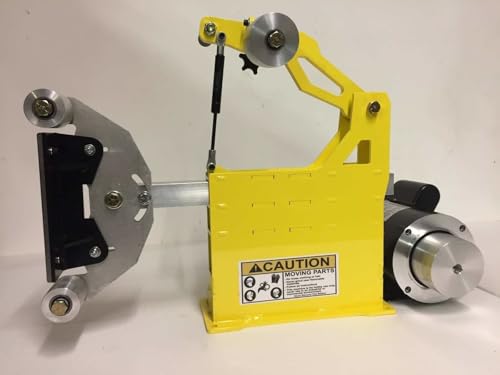
OBM 2×72 Belt Grinder Complete Kit
What We Like
- Powerful 2HP motor with versatile VFD control
- Comes with both 10" wheel and small wheel set
- Rugged all-steel and aluminum construction
- Quick-change dual tooling arms for fast swaps
Trade-offs
- Heavy 45-pound weight requires a permanent mounting location
- Large 30" x 18" footprint demands significant shop space
- Requires 220V wiring to achieve the motor's full 2HP rating
A 2HP motor wired for 110V out of the box, upgradeable to 220V, means you can start grinding on standard household power and later access its full potential. The package includes a 10-inch rubber contact wheel and a small wheel set with dual tooling arms, so you can switch between major shaping and detailed work without buying separate attachments. Its rugged all-steel frame and CNC-turned aluminum wheels provide a stable, industrial foundation for a dedicated shop station.
Weighing 45 pounds and measuring 30 inches long, this grinder requires a sturdy, permanent mounting surface. Unlike the much lighter and smaller Astro Pneumatic air sander, this is a central shop tool, not a portable one. The industrial-grade construction and included attachments make it a complete starting system for serious metalworking, eliminating the need to source core components separately.
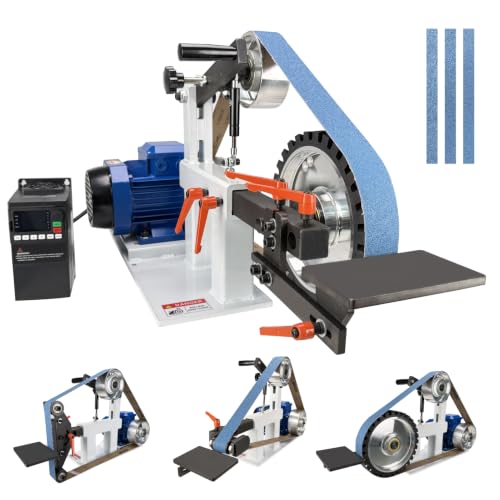
Goldsand 2×72 Belt Grinder Sander
What We Like
- High-torque 1500W pure copper motor for demanding grinding
- VFD allows precise speed adjustment for different tasks
- Three grinding modes (circular, arc, flat) for versatility
- Heavy steel frame provides solid, vibration-free operation
Trade-offs
- Requires a 220V power source or use of the included transformer
- At 110.7 lb, it is a permanent, heavy bench-top installation
A 1500-watt motor gives this grinder the guts to hog off metal without bogging down, making it a serious contender for a production shop. The variable frequency drive lets you dial the belt speed from aggressive stock removal to fine finishing work, while the three grinding modes handle everything from knife bevels to cleaning up welds. It’s built for the metalworker who needs consistent power for hours on end and has the bench space and 220-volt outlet to support it.
Weighing 110.7 pounds, this Goldsand grinder is a heavy, stationary tool designed for a permanent shop location. Its 1500W motor requires a 220V power supply, so you’ll need to plan for a dedicated outlet. The OBM Dominator, by comparison, is listed at 45 pounds, making it a much lighter unit.
Product photos
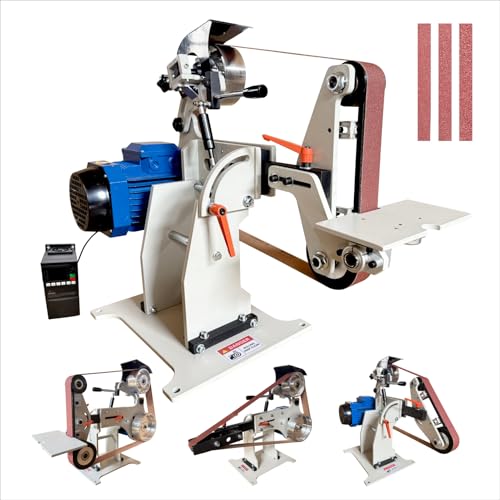
Jinlida JLD10-7S-2x72M Belt Grinder
What We Like
- Three distinct grinding methods in one kit
- Stepless 0-2800 rpm speed control via VFD
- Industrial one-piece steel frame minimizes vibration
- Three grit belts cover coarse to fine work
Trade-offs
- At 30x24x18 inches, it requires significant floor space.
- The 2.2kW VFD is more complex than a simple switch.
- Heavy-duty construction makes it less portable for mobile work.
A 1500W motor paired with a 2.2kW variable frequency drive gives you the muscle and fine control to tackle anything from aggressive steel removal to delicate polishing on softwoods. The Jinlida is built for the workshop that demands variety, shipping with two kits that enable circular, flat, and arc grinding. This turns one machine into a dedicated station for curved workpieces, flat stock, and complex shapes, saving you the bench space and cost of multiple single-purpose tools. Its thickened steel frame ensures it stays put and runs smooth under load, which is critical for maintaining precision during long sessions.
The Jinlida JLD10-7S-2x72M has a large footprint, measuring 30 inches long by 24 inches wide, so you’ll need to dedicate a permanent station in your workshop. Its industrial-grade, one-piece steel frame provides stability for heavy grinding but makes it a machine you’re unlikely to move around. With two included grinding kits that enable circular, flat, and arc grinding, it offers bundled versatility for projects that jump between different materials and forms.
Product photos
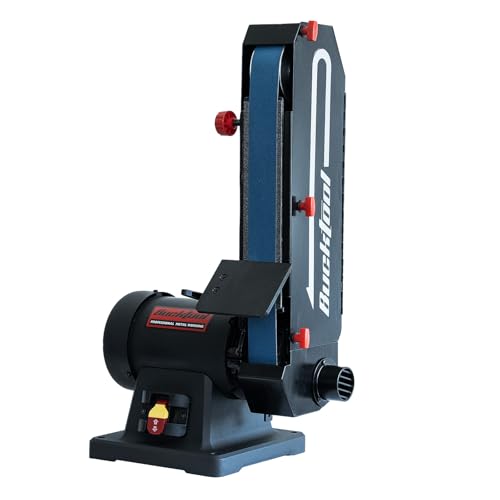
Bucktool 2×48 Belt Sander
What We Like
- Strong 1 HP induction motor for consistent heavy-duty work
- Dual-table design switches between flat and curved sanding
- Quick-release tension handle for tool-free belt changes
- Spacious cast-iron worktable provides solid, stable control
Trade-offs
- Fixed 4500 FPM speed lacks variable control for delicate tasks
- 2×48 inch belt size offers less surface area than 2×72 models
A 4500 FPM belt speed delivers aggressive material removal, making it a serious tool for quickly shaping knife blanks or hogging off metal in fabrication. The 1 HP induction motor is built to sustain that high-speed performance without bogging down, which is exactly why it stands out for demanding metalwork. This sander suits a maker who needs to move material fast and values a durable, simple machine over fine-tuned speed control. The dual-wheel setup and solid cast-iron platen provide the stability and versatility needed for both flat grinding and curved profiles.
This belt sander runs at a fixed 4500 feet per minute, delivering consistent, high-speed material removal ideal for knife making and metal fabrication. Unlike models such as the OBM Dominator 2×72 Belt Grinder which include a VFD for variable speed, the Bucktool provides a single, powerful setting. That makes it suited for heavy-duty shaping rather than tasks like polishing softer materials which benefit from lower speeds.
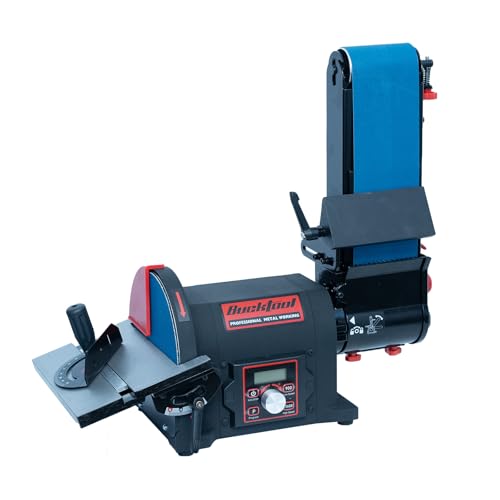
Bucktool 4×36 Belt Disc Sander
What We Like
- Integrated 1HP VFD motor for stable low-speed torque
- Combined 4×36 belt and 8-inch disc sanding
- Memory function saves your preferred speed setting
- Horizontal and vertical belt orientation with sharpening attachment
Trade-offs
- VFD motor can trip GFCI outlets, requiring a dedicated circuit
A 1HP variable-speed motor driving both a 4×36 belt and an 8-inch disc makes this sander a versatile anchor for a compact workshop. The memory function on the speed control means you can power it down and come back to the exact setting for a delicate bevel or aggressive shaping job without fuss. It’s the right fit for a maker who needs to handle everything from knife sharpening with its dedicated attachment to smoothing a welded seam, all without dedicating floor space to a larger machine.
Combining a 4×36 inch belt and an 8 inch disc, the Bucktool BD4802IV offers two sanding methods in a single benchtop unit. This dual functionality suits mixed material work, from wood to metal, within a compact shop footprint. Its 1 HP motor with variable speed provides flexibility for different tasks, though the four-inch belt width is narrower than the two-inch belts on dedicated 2×72 models like the OBM Dominator or Goldsand grinder. For focused, high-volume grinding on long blades, a dedicated belt grinder provides a different work surface.
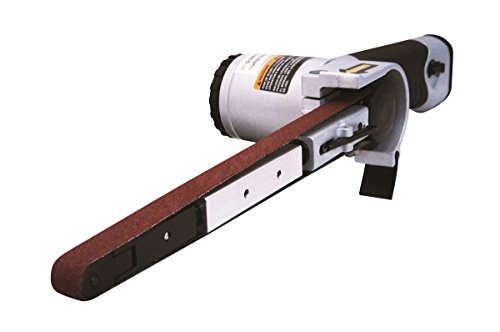
Astro Pneumatic Tool 3037 Belt Grinder
What We Like
- Extremely lightweight at 2.2 pounds for easy maneuverability
- Variable speed control for precise material removal
- Simple belt tension lever for quick changes
- Specifically noted for spot weld removal tasks
Trade-offs
- Uses 1/2" x 18" belts, a niche size with less variety than 2×72 models
- Air-powered, requiring a capable compressor and airline
Weighing just over two pounds, this air-powered belt sander is designed for one-handed control in tight spaces, a critical advantage for automotive bodywork. Its 0.5 HP motor and 1/2″ x 18″ belt format are purpose-built for focused tasks like cleaning up spot welds and smoothing contours where a bulky grinder would be overkill. It’s the tool you grab for detail finishing after the heavy shaping is done, not for hogging off large amounts of material.
The trade-off for its featherweight design and precision is power and belt longevity. You’re committing to an air supply and a specialized belt size. For a professional shop already plumbed for air, it’s a superb specialist.
Product photos
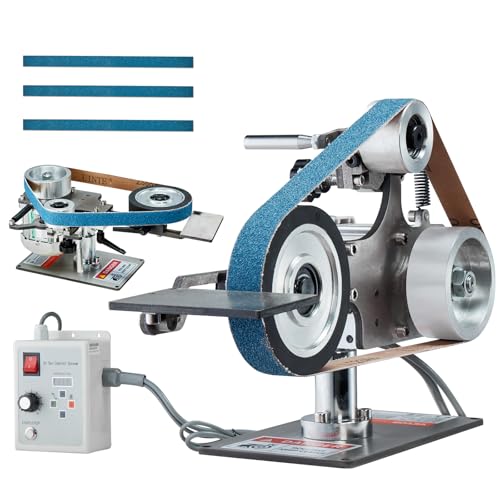
VEVOR 30×1 Inch Belt Grinder Sander
What We Like
- VFD allows fine control from coarse to finish work
- Operates vertically or horizontally for different angles
- Includes three grit belts for immediate start-up
Trade-offs
- 1-inch belt width limits surface area for large workpieces
- Includes only three sanding belts (100/180/240 grit)
A 30×1 inch belt on a 17.4-pound frame makes this grinder a natural fit for workshops where floor space is at a premium. The 550W motor and included VFD deliver the variable speed control essential for detailed tasks like knife sharpening or polishing, letting you dial in the right pace without sacrificing the machine’s compact footprint. It’s a logical pick for the hobbyist or beginner who needs a dedicated, versatile sander for small to medium metal, wood, or plastic projects but doesn’t have the room for an industrial-sized unit.
This grinder’s small size does limit how fast it can remove material. Its 1-inch belt and 550W motor won’t strip steel as quickly as a 2HP model like the OBM Dominator. For heavy knife grinding or large fabrication, you’ll feel the limit. However, if your workbench is tight and your projects are hand-sized, the ability to switch between vertical and horizontal setups delivers a lot of function from a modest package.
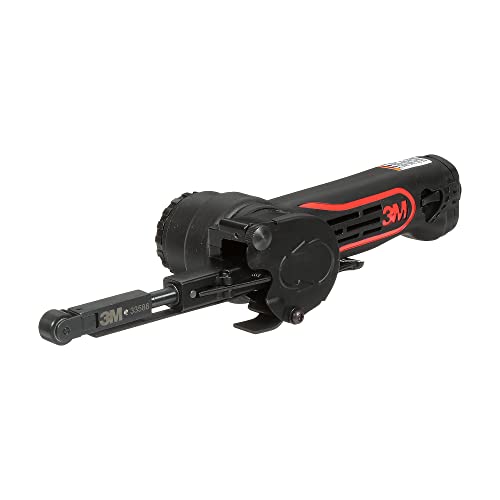
3M File Belt Sander
What We Like
- Extremely lightweight at 2.0 pounds
- Rotatable housing for tight spaces
- Compatible with specialized abrasive belts
Trade-offs
- Limited to 18-inch belts, not for large-scale stock removal
- Not approved for consumer sale or use
Weighing just two pounds, this sander is built to be held overhead or in awkward positions all day without wearing you out. That featherlight design, combined with a rotatable housing, makes it a specialist for navigating the tight contours and spot welds of automotive body repair. This is the tool you reach for when the job demands precision and maneuverability in confined spaces, not raw grinding muscle.
Its portability comes with a smaller working scale. This tool uses an 18-inch belt, which is great for focused tasks but lacks the continuous runtime of a larger 45-pound grinder like the OBM Dominator for big jobs. It remains compatible with Cubitron II belts for aggressive cutting and Scotch-Brite belts for surface prep.
Product photos
DEWALT 4×36 Belt Disc Sander

What We Like
- Two-in-one belt and disc sander design
- Adjustable tables tilt up to 45 degrees
- Powerful 7.0 AMP motor for demanding tasks
- Dedicated dust port helps keep workspace clean
Trade-offs
- 7.0 AMP motor, not a higher-horsepower unit
- 4" x 36" belt, smaller than 2×72 models
A 7.0 AMP motor and separate, tiltable aluminum tables provide the consistent power and stability needed for accurate bevels and smooth finishes. This sander is built for the woodworker or metal fabricator who needs to clean up welds, shape small parts, or put a fine edge on a tool. Its two-in-one design saves bench space while delivering the control required for detailed work where a millimeter matters.
The 4″ x 36″ belt and 8″ disc are smaller than the belts on dedicated grinders like the 2×72 models from OBM or Goldsand. Its design delivers smooth, accurate results for all your sanding projects, positioning it as a versatile shop anchor rather than a specialized machine. The adjustable dust port control knob helps keep your workspace cleaner during operation with either sanding surface.
Product photos
How We Evaluated Belt Grinders For Metal Work
Our evaluation focused on manufacturer specifications and documented expert round-ups to compare critical features like motor type, horsepower, and build construction. We prioritized patterns in long-term owner feedback, looking for consistent mentions of durability, vibration control, and real-world versatility in metalworking tasks. This research-based approach highlights which machines are built to last, but it cannot replicate the hands-on feel of operating each grinder in a specific workshop environment. For a deeper dive into the most popular professional size, our comprehensive belt grinder comparison covers the full spectrum.
What To Look For In Belt Grinders For Metal Work
Selecting the right belt grinder means matching its capabilities to your projects and shop setup. Power, belt size, and configuration are the core decisions that define what you can accomplish.
The key factors are motor power and type (1HP for hobbyists, 2HP+ for pro work), belt size (2×72 offers the most abrasive options), and machine configuration (fixed vs. Tilting, combo units). Consider your shop’s power supply and floor space before committing.
Motor Power and Control
The motor is the heart of the grinder. Induction motors, common in 1HP benchtop units, offer consistent torque for general work. For serious metal removal, a 2HP motor like those on top-tier 2×72 models provides the necessary muscle. Variable Frequency Drive (VFD) control is a major upgrade, allowing you to dial in the perfect speed for everything from aggressive grinding to delicate finishing, protecting both your workpiece and the abrasive belt. This precise control is especially valuable for knife finishing where heat management is critical.
Belt Size and Versatility
Belt size dictates your abrasive selection and work surface. The 2×72-inch belt is the professional standard, offering the widest range of grits and specialized materials like ceramic abrasives for fast steel removal. Smaller sizes like 4×36 or 2×48 are more affordable and compact but have a more limited belt selection. Consider the machine’s versatility: can it operate in both horizontal and vertical orientations? Does it accept attachments like small wheel sets or rotary platens for intricate curves? A versatile 2×72 belt grinder serves as a multi-tool workstation.
Build and Configuration
A heavy, rigid steel frame minimizes vibration, leading to smoother operation and more precise control. Look for a solid work rest and a reliable tracking system. Configuration is equally important. A tilting chassis, like on our top pick, adds tremendous flexibility for different grinding angles. Combo sanders that include a disc sander are excellent for shop generalists. However, these features add weight and footprint. A heavy 45-pound unit needs a permanent bench, while a lightweight 2-pound air-powered tool is highly maneuverable for specific tasks like weld cleanup.
- Check your shop’s electrical supply: many high-power motors require 220V.
- Measure your available bench or floor space, considering the machine’s full operational footprint.
- Plan for future needs: does the grinder’s design allow for adding attachments later?
Match the grinder’s permanence and power requirements to your workshop’s reality.
Belt Grinders For Metal Work Compared
The comparison table below summarizes the key specifications and trade-offs to help you see the differences at a glance.
| Product | Motor Power | Belt Size | Speed Control |
|---|---|---|---|
| OBM Dominator 2×72 Belt Grinder | 2HP | 2×72 inch | VFD |
| OBM 2×72 Belt Grinder Complete Kit | 2HP | 2×72 inch | VFD |
| Goldsand 2×72 Belt Grinder Sander | 1500W / 2HP | 72 x 2 inch | VFD variable speed |
| Jinlida JLD10-7S-2x72M Belt Grinder | 1500W pure copper | 2×72 inch | 0-2800 rpm VFD |
| Bucktool 2×48 Belt Sander | 1 HP induction motor | 2×48 inches | N/A |
| Bucktool 4×36 Belt Disc Sander | 1HP VFD | 4×36 inch | Variable with memory |
| Astro Pneumatic Tool 3037 Belt Grinder | 0.5 HP | 1/2" x 18" | Variable speed control |
| VEVOR 30×1 Inch Belt Grinder Sander | 550W | 30 x 1 inch | VFD, stepless regulation |
| 3M File Belt Sander | 495W (.65 horsepower) | 457 mm (18 in) | N/A |
| DEWALT 4×36 Belt Disc Sander | 7.0 AMP | 4" x 36" | N/A |
Frequently Asked Questions
What is the best belt grinder for metal work?
For most metalworkers and knife makers, the best belt grinder is a 2×72-inch model with a powerful motor and variable speed control, like the OBM Dominator 2×72. This size offers the best abrasive selection and versatility for tasks ranging from heavy stock removal to fine finishing, making it a worthy long-term investment for a dedicated shop.
What type of grinder is best for grinding metal?
A belt grinder is typically the best tool for grinding metal, especially for shaping, beveling, and finishing. For heavy-duty, fixed-location work, a 2×72 belt grinder is the professional choice. For smaller projects or detailed work, a benchtop belt/disc sander combo or a handheld unit may suffice, but they lack the power and abrasive variety of larger models.
What is the best belt sanding machine for metal?
The best belt sanding machine for metal depends on your scale. For professional and serious hobbyist work, a dedicated 2×72 belt grinder like the OBM Complete Kit is unmatched. For general workshop use on mixed materials, a benchtop combo sander like the Bucktool 4×36 Belt Disc Sander provides excellent value and flexibility for metal, wood, and sharpening tasks.
What is the best tool for grinding down metal?
For rapidly grinding down metal, you need a tool with aggressive power and the right abrasive. A high-power 2×72 belt grinder with a ceramic belt is extremely effective. For context on other grinding tools, understanding the difference between a bench grinder vs angle grinder can help. Angle grinders are portable and great for cutting and rough shaping, while bench grinders are for tool sharpening and light deburring.
Can I use a woodworking belt sander for metal?
You can use a woodworking belt sander for light metal work, but it is not ideal. These sanders often lack the necessary motor torque, have higher speeds that can overheat metal, and use belts that clog quickly. For consistent metal results, a grinder built for metal with a lower speed range and appropriate abrasives, like those in our belt grinder reviews, is a far better investment.
The Bottom Line
For a powerful, versatile, and complete grinding station for a fixed shop, the OBM Dominator 2×72 Belt Grinder is the top choice. Its tilting chassis and durable 2HP motor make it a tool you can use for many tasks. If your budget or space is limited, look to the Best Compact Variable Speed or Best Benchtop Combo Sander selections for capable, space-saving solutions.
Ultimately, ensuring the grinder’s power, belt size, and physical footprint align with your shop’s capabilities and your project goals is the most important step in making a confident purchase.
