
6 Best Drill Bits For Wheel Stud in 2026
This post contains affiliate links. As an Amazon Associate, we earn from qualifying purchases.
Our best overall drill bit for wheel studs is the VALYRIANTOOL M35 Cobalt Left Hand Drill Bits Set for its ability to drill hard metals and often remove broken fasteners. The Allstar Performance 43/64″ bit is the best vehicle-specific fit, while the NEIKO HSS Left-Hand Drill Bit & Extractor Set is the top kit for extraction.
Drilling for wheel studs involves two distinct tasks: installing new, larger studs or removing broken, seized ones. We researched specifications and owner feedback to find bits that excel at each job, helping you choose the right tool and avoid frustration.
Top 6 Drill Bits For Wheel Studs in the Market
Certain content that appears on this site comes from Amazon. This content is provided "as is" and is subject to change or removal at any time.
The Best Drill Bits For Wheel Studs, Reviewed
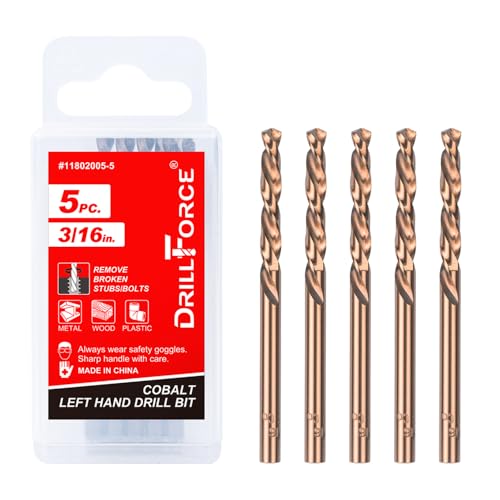
VALYRIANTOOL M35 Cobalt Left Hand Drill Bits Set
What We Like
- M35 Cobalt steel for drilling hard metals
- Short 2-7/8 inch length for tight spaces
- 135-degree split point for self-centering
- Left-hand design for removing broken fasteners
Trade-offs
- Only 3/16 inch diameter, not sized for stud holes
- Five-piece set lacks larger diameters for stud work
- Stubby design limits reach in deep, recessed holes
M35 Cobalt steel provides extra durability for drilling into hard metals like stainless steel, so the bits resist dulling when tackling seized fasteners. Their left-hand reverse twist is designed to remove broken bolts or screws by potentially backing them out during the drilling process. A short 2-7/8 inch overall length allows access to hard-to-reach and tight spaces where longer tools cannot fit.
The trade-off is that these are fundamentally extraction bits, not stud installation bits. At only 3/16 inch, they’re meant for drilling pilot holes or removing broken remnants, not for drilling out the full-sized hole for a new 1/2-inch or 5/8-inch stud. For that specific task, you’d need a dedicated, larger bit like the Allstar Performance 43/64″ Wheel Stud Drill Bit. Think of the VALYRIANTOOL set as your first line of defense against a stripped or broken stud, saving you from more drastic measures if it works.
Product photos
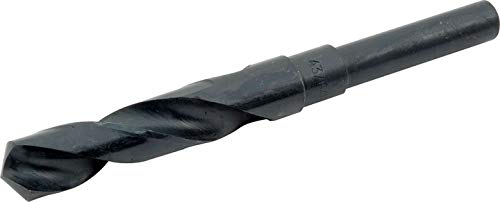
Allstar Performance 43/64" Wheel Stud Drill Bit
What We Like
- Precise 43/64" vehicle-specific sizing
- Long 12.1-inch shaft for deep access
- Made in the United States
- Lightweight for easy handling
Trade-offs
- Bit is vehicle-specific, not a general-purpose tool
- Longer length may be unwieldy in tight engine bays
The Allstar Performance ALL11045 drill bit is sized at 43/64 of an inch, which matches the precise hole diameter required for specific wheel stud installations. This fit is noted as vehicle-specific, meaning it is designed for particular applications where that exact measurement is needed. Its purpose is to create a hole of a predetermined size, rather than for general-purpose drilling.
Its 12.1-inch length provides extended reach for its intended task, which can be an advantage when accessing studs on a wheel hub. Compared to other products, this bit is dedicated to a single diameter, whereas the VALYRIANTOOL set offers multiple sizes and a left-hand design intended for fastener removal. The Allstar bit’s application is defined by its vehicle-specific fit type.
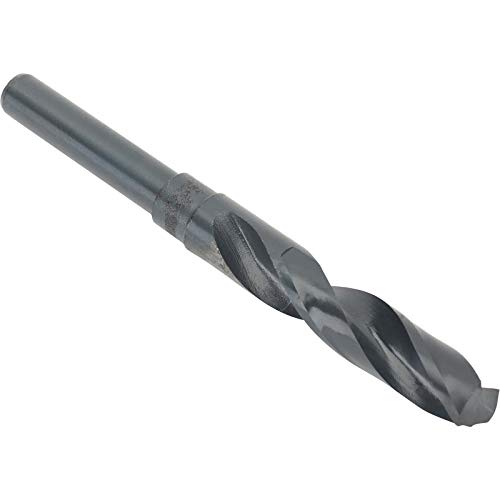
Speedway Motors 1/2" Wheel Stud Drill Bit
What We Like
- Precise 43/64" diameter for 5/8" studs.
- Half-inch shank fits standard drill chucks securely.
- Specifically sized for .685 knurl studs.
- Compact 6.7-inch length for confined spaces.
Trade-offs
- Single-purpose for 5/8" studs only.
- Shorter length limits deep-hole drilling.
- At 1.0 pound, it's heavier than the 0.4-pound Allstar model.
The 43/64″ cutting diameter is the key spec here, giving you the exact hole needed for a 5/8″ wheel stud with a .685 knurl. This bit is built for one job, and it does it without guesswork. If you’re installing those specific studs in an axle flange or hub, this tool delivers the precision required for a proper press-fit. It’s a straightforward solution for the mechanic who needs to match factory specs or racing regulations.
That single-minded focus is also its limitation. You won’t be using this for general metalwork or for any stud size other than 5/8″. Its 6.7-inch length is handy in tight quarters but can be a drawback if you need to drill through exceptionally thick material. For a more versatile option that also handles broken fastener removal, the VALYRIANTOOL left-hand cobalt set works in reverse to back out stuck hardware.
Product photos
Bryke Racing 43/64 Wheel Stud Drill Bit

What We Like
- Correct 43/64" size for 5/8" wheel studs
- Explicitly designed for hub material
- Lightweight for easy handling
Trade-offs
- Will not work on axle drilling applications
- Single-purpose bit lacks versatility
The 43/64″ diameter is the precise pilot hole needed for a 5/8″ wheel stud, ensuring a proper press fit that locks the stud securely into the hub. This bit is built for that singular, critical task on hubs, making it a straightforward choice for anyone specifically upgrading or replacing studs on a rotor or hub assembly. You get exactly the tool required for a clean, correctly sized hole without any guesswork.
This drill bit is intended for use on hubs only, and the manufacturer states it will not work on axles. That makes it a specialized tool for a specific task, so you’ll need a different solution for drilling into live axles. For dedicated hub work, the Bryke bit provides focused utility.
NEIKO HSS Left-Hand Drill Bit & Extractor Set

What We Like
- Left-hand bits prevent tightening stuck fasteners
- Spiral flute extractors increase grip with torque
- Metal case keeps all sizes organized and protected
Trade-offs
- Maximum bit size is 19/64", limiting larger stud work
- Shorter 5.7" length may limit reach in deep cavities
Combining left-hand drill bits with matching spiral extractors creates a complete system for broken fasteners. The reverse-flute bits are the key, designed to back out a seized bolt as you drill, which often solves the problem before you even need the extractor. This organized kit is stored in a durable metal carrying case with all sizes clearly labeled.
The trade-off is in the size range. That 19/64″ maximum bit diameter won’t touch a snapped 1/2″ wheel stud. For that specific automotive job, you’d need a dedicated, larger bit such as a 43/64″ model from Allstar Performance. Think of this NEIKO kit as your go-to for the majority of fastener extraction puzzles around the shop, but know its limits. It’s a foundational trouble-shooter’s kit, not a specialist’s solution for the largest automotive studs.
WildBossy Cobalt Left Hand Drill Bit Set

What We Like
- M35 cobalt steel for drilling tough metals
- Stubby design fits in tight spaces
- 13-piece set covers common small sizes
- Self-centering 135° split-point tip
Trade-offs
- Maximum size is 1/4", won't drill large studs
- No sizes over 1/4" for final stud hole
- Stubby length may limit deep-hole drilling
A 13-piece set of M35 cobalt left-hand bits covering sizes from 1/16″ to 1/4″ gives you a comprehensive kit for starting almost any broken fastener removal job. The stubby design and self-centering split-point tip make it a solid choice for a mechanic who needs to work in cramped quarters around a hub or brake assembly. This set is built for the technician who wants a single, organized case with the right bit to begin drilling out a seized stud, bolt, or screw in stainless steel or cast iron.
The largest bit in the set is 1/4″, so drilling a final hole for a wheel stud requires a separate, larger bit such as a 43/64″ model. The included sizes are commonly used for creating pilot holes and removing damaged studs, bolts, or screws. Bits are stored in a sturdy plastic box with clearly marked sizes for organization.
Product photos
How We Evaluated Drill Bits For Wheel Studs
Our evaluation focused on manufacturer specifications, construction details, and consistent patterns in user reports. We prioritized criteria critical for wheel stud work: bit material for penetrating hardened hub steel or seized fasteners, precise diameter sizing for proper stud fitment, and shank length for reaching recessed hubs. We also considered set composition for versatility versus single-purpose precision.
This research-based approach reveals which bits are engineered for the task. However, without physical testing, we cannot verify performance claims like exact lifespan under heavy use or confirm ease of handling in every cramped workspace scenario. Our goal is to match the tool’s documented strengths to your specific job.
What To Look For In Drill Bits For Wheel Studs
Selecting the correct bit depends on the job: installing new studs or removing broken ones. An incorrect choice can harm the hub or leave a fastener stuck.
For new stud installation, you need a large, precise diameter (like 43/64″) and a tough material like cobalt. For removal, a left-hand cobalt bit can drill out the broken stud and sometimes back it out. Length and shank size are also critical for access and drill compatibility.
Material & Construction
Drill bit material determines its ability to cut through tough metals without dulling. For wheel hubs and hardened studs, cobalt steel (often M35 grade) is the standard recommendation. It retains its hardness at high temperatures generated by drilling hardened steel. High-speed steel (HSS) bits are more affordable but may wear quickly; they are better suited for removing broken bolts in softer materials. The debate between HSS vs cobalt often comes down to the hardness of the metal you’re cutting and your budget.
Diameter & Purpose
Diameter is the most important specification and defines the bit’s use. For installing common 5/8-inch wheel studs, a precise 43/64-inch drill bit is needed to make a hole for the stud’s knurled section. Bits made for extraction, such as left-hand sets, are usually smaller, perfect for starting a pilot hole or using an extractor. Always check the required knurl diameter for your new studs; a bit that is even slightly off can cause a poor fit.
Shank & Length
The shank must fit your drill’s chuck securely. A half-inch shank is typical for large stud bits and offers a strong hold in a heavy-duty drill. Length affects reach. A long bit is needed for drilling through a combined hub and axle flange, while a short, stubby bit works well in cramped spaces but cannot access deep holes. Consider your workspace before deciding.
- Confirm your drill’s chuck capacity before buying a bit with a 1/2-inch shank.
- For deep hub drilling, choose a bit at least 2-3 inches longer than your total material thickness.
- Left-hand bits require a reversible drill.
Always start with a center punch and use a slow speed with steady, firm pressure when drilling metal.
Drill Bits For Wheel Studs Compared
The following table compares the key specifications of our top picks to help you see the differences at a glance.
| Product | Material / Bit Type | Bit Size(s) | Intended Use / Application |
|---|---|---|---|
| VALYRIANTOOL M35 Cobalt Left Hand Drill Bits Set | M35 Cobalt steel | 3/16" | removing broken stubs, bolts and screws |
| Allstar Performance 43/64" Wheel Stud Drill Bit | N/A | 43/64" | Vehicle Specific |
| Speedway Motors 1/2" Wheel Stud Drill Bit | N/A | 43/64" | For 5/8" wheel studs |
| Bryke Racing 43/64 Wheel Stud Drill Bit | N/A | 43/64" | For 5/8" studs, Hubs only |
| NEIKO HSS Left-Hand Drill Bit & Extractor Set | HSS M2 Steel | 19/64 inch (largest) | remove broken screws, studs, bolts |
| WildBossy Cobalt Left Hand Drill Bit Set | M35 cobalt steel | 1/16"-1/4" | removing damaged studs, bolts |
Frequently Asked Questions
What is the best drill bit to drill out a wheel stud?
For drilling out a seized or broken wheel stud, a left-hand drill bit made of cobalt steel is most effective. The left-hand rotation can sometimes catch and spin the broken piece out as you drill. Cobalt material is essential for cutting through the hardened steel of a wheel stud without quickly dulling.
What size drill bit do I need for a wheel stud?
The size depends on the stud you’re installing. For the most common 5/8″ diameter wheel studs, you typically need a 43/64″ drill bit to accommodate the stud’s knurled section. Always check the specifications for your specific studs, as knurl diameters can vary slightly between manufacturers and applications.
What type of drill bit is best for drilling holes in studs?
For drilling the initial large hole to install a new wheel stud, a straight-shank twist drill bit in the exact required diameter (like 43/64″) is best. It should be made of cobalt for durability against tough hub material. This is different from bits used for drilling into metal for general fabrication, which may not need such a specific size.
What is stronger, cobalt or carbide?
Carbide is harder and more wear-resistant than cobalt, making it excellent for abrasive materials and production drilling. However, cobalt steel bits are generally tougher and less brittle, making them a more practical and cost-effective choice for the intermittent, high-force drilling required for wheel studs and drill bits for tough steel. Carbide bits are also more prone to chipping if not used perfectly straight.
Can I use a regular drill bit for a wheel stud?
You should not use a regular high-speed steel bit meant for wood or soft metal. Wheel studs and hubs are made of hardened steel that will rapidly dull a standard bit. For installation, you need a bit of the precise diameter. For removal, a specialized left-hand cobalt bit is far more effective than a standard right-hand bit for drilling out bolts.
The Bottom Line
For the mechanic or serious DIYer facing broken fasteners, the VALYRIANTOOL M35 Cobalt Left Hand Drill Bits Set is the best overall choice. Its cobalt construction and left-hand design tackle the hardest part of wheel stud work: removal. If your task is installing new 5/8″ studs, choose the purpose-built Allstar Performance 43/64″ Wheel Stud Drill Bit for its precise fit.
Budget-conscious users needing a compact extraction system should look at the NEIKO HSS Left-Hand Drill Bit & Extractor Set. Ultimately, matching the bit’s material and exact diameter to your specific job is the single most important factor for success.
