
10 Best Drills For Concrete in 2026
This post contains affiliate links. As an Amazon Associate, we earn from qualifying purchases.
Our best overall drill for concrete is the Milwaukee M18 Fuel 1/2 Inch Hammer Drill, which wins for its superior all-metal chuck grip and versatile performance in mixed masonry and fastening tasks. The DeWalt 20V MAX SDS Plus Rotary Hammer is our top cordless rotary pick, while the Bosch Bulldog Xtreme offers the most impact energy for heavy-duty jobs.
Choosing the wrong tool for concrete leads to slow progress, bit damage, and user fatigue. You need a drill matched to your hole size, frequency, and whether you need cordless freedom or maximum power.
This guide is based on research into manufacturer specifications, expert round-ups, and patterns in owner feedback. We’ve ranked ten tools to help you find the right match for your specific concrete drilling needs.
Top 10 Drills For Concrete in the Market
Certain content that appears on this site comes from Amazon. This content is provided "as is" and is subject to change or removal at any time.
The Best Drills For Concrete, Reviewed
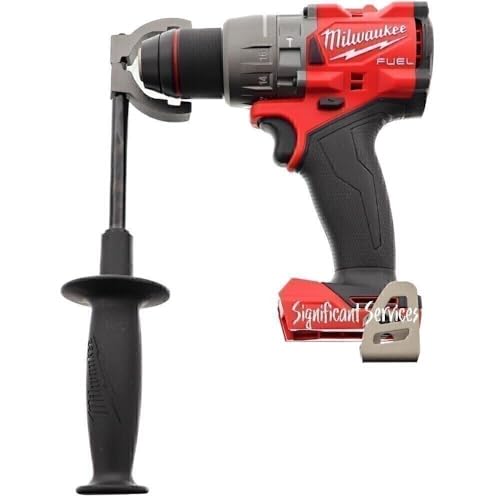
Milwaukee M18 Fuel 1/2 Inch Hammer Drill
What We Like
- All-metal chuck offers superior bit grip and durability
- Lightweight 4.2-pound design reduces user fatigue
- Hammer drill mode tackles brick, block, and concrete
Trade-offs
- Tool only: requires separate purchase of M18 battery and charger
The Milwaukee M18 Fuel Hammer Drill uses a 1/2-inch all-metal chuck with carbide teeth for maximum durability and grip, which prevents bits from slipping during demanding use. Its 4.2-pound weight makes it easy to handle for overhead tasks or extended work sessions. This tool includes a hammer drill mode for fast drilling into brick, block, or concrete, providing versatility for mixed-material projects.
The trade-off is that torque figure. While perfectly capable for most concrete and block, it’s not the highest number in the category. For drilling into heavily reinforced concrete or continuous core drilling, you might want to step up to a dedicated rotary hammer like the DeWalt DCH172B. But for a combination hammer drill that drives fasteners one minute and punches into masonry the next, this Milwaukee’s blend of power, weight, and runtime is hard to beat.
DeWalt 20V MAX SDS Plus Rotary Hammer

What We Like
- Lightweight at 4.6 lbs for overhead work
- SHOCKS system reduces handle vibration
- Brushless motor for efficient runtime
- OSHA compliant with dust accessories
Trade-offs
- Tool only: battery and charger sold separately
- At 11.3 inches long, it's less compact than some hammer drivers
- 1.4 joules is less impact than heavier corded models
DeWalt’s 20V MAX SDS Plus Rotary Hammer packs 1.4 joules of impact energy into a 4.6-pound tool, which provides fast drilling in concrete while reducing arm fatigue. Its SHOCKS active vibration control system cuts down on the vibration felt at the handles compared to models without this feature, a real benefit during long sessions of rod hanging or bracket mounting. A brushless motor and German-engineered mechanism are included for efficient performance and runtime.
This is a tool-only purchase, so a battery and charger must be bought separately. For heavier, continuous demolition, a corded rotary hammer like the Bosch Bulldog Xtreme would offer more power, but without cordless convenience. According to research, DeWalt is a trusted brand among tradespeople, and this model’s lightweight design and mode selector switch make it suited for drilling and hammer drill applications like concrete forming and railing mounting.
Bosch Bulldog Xtreme SDS-Plus Rotary Hammer

What We Like
- SDS-plus system for tool-free bit changes
- Vibration control for all-day comfort
- D-handle design for overhead control
- 2.0 ft-lbs of maximum impact energy
Trade-offs
- At 10.4 lb, it is heavier than cordless SDS models like the 4.6 lb DeWalt DCH172B
- Corded design limits mobility on a job site with no outlets
- Its 22.5-inch length can be cumbersome in tight spaces
Generating 2.0 foot-pounds of impact energy, the Bosch Bulldog Xtreme delivers maximum performance for powering through the toughest concrete drilling and demolition applications. Its 7.5-amp motor provides the sustained force needed for high-volume work where corded power is essential. The three-mode selector allows rotation-only drilling, hammer drilling, or hammer-only chiseling, while the vibration control aids comfort during all-day use.
That relentless power comes with heft and a cord. At over ten pounds, it demands more arm strength than compact cordless models, especially for overhead work. Compared to a lighter tool like the DeWalt 20V MAX, the Bosch is a stationary anchor point. It is incredibly effective when you can bring the material to it, but less suited for quick trips up a ladder or across an unfinished floor where mobility is key.
Makita XPH14Z 18V LXT Hammer Driver-Drill

What We Like
- Delivers 1,250 in.lbs. of max torque
- Two-speed transmission for versatile applications
- High 31,500 BPM for faster masonry drilling
Trade-offs
- Tool only: requires separate battery and charger purchase
- Hammer mechanism is less specialized than an SDS rotary hammer
With 1,250 inch-pounds of max torque, this Makita has the brute force to handle stubborn fasteners and drill into concrete without stalling. It’s the right choice for the carpenter or serious DIYer who needs a single, versatile drill for daily driving in wood and metal, plus occasional hammer drilling into masonry. The compact 7-inch body makes it easy to maneuver in cabinets or between studs, while the two-speed transmission and all-metal chuck provide professional-grade control and durability for a wide range of bits.
While effective for anchors and small holes, its hammering action cannot match the speed and impact energy of a dedicated SDS rotary hammer for all-day concrete work. This Makita is a phenomenal all-rounder, but if your project list is mostly drilling into foundation walls, you will want a more specialized tool. For everything else, from building decks to mounting hardware on brick, its high torque and dual-mode versatility make it a reliable shop companion.
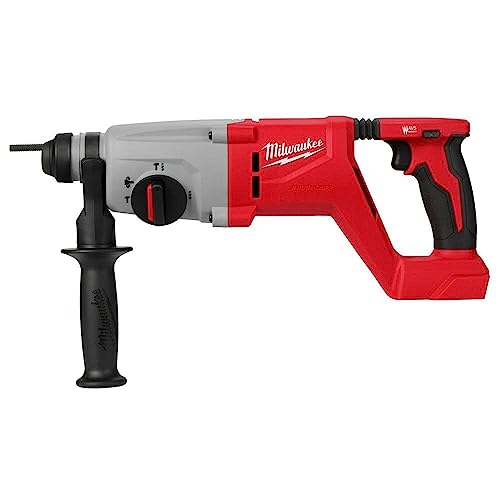
Milwaukee M18 SDS Plus Rotary Hammer
What We Like
- Lightweight design reduces user fatigue
- AVS system minimizes vibration for comfort
- Brushless motor provides long run time
- Drills specific holes faster than some corded models
Trade-offs
- Tool only: battery and charger sold separately
- Limited to 3/8-inch diameter holes for its primary claim
Weighing just over five pounds, this rotary hammer makes overhead work and all-day drilling far less punishing. That’s the core of its appeal. The built-in anti-vibration system is a genuine feature, not just a bullet point, as it directly translates to less hand numbness after a series of holes. It’s a clear pick for tradespeople or serious DIYers already invested in the M18 platform who need a cordless SDS for frequent anchor installations and light chipping without the arm strain of a heavier tool.
The Milwaukee M18 SDS Plus Rotary Hammer weighs 5.3 pounds without a battery, making it easy to handle overhead or for extended periods. It can drill up to 100 holes of 3/8-inch by 2-inch per charge with a specific battery, which suits many common anchoring and light masonry jobs. Its Anti-Vibration System is designed to minimize user fatigue, a key feature for repetitive drilling.
Deshuo SDS-Plus Lightweight Rotary Hammer

What We Like
- Lightweight 7.2 lbs for overhead work
- 4 modes including chisel adjustment
- Safety clutch and vibration control
- Powerful 9-amp motor for fast drilling
Trade-offs
- Not for heavy-duty demolition work
- Requires specific SDS-Plus bits only
- Corded design limits mobility vs. battery models
Delivering 2.21 ft.lbs. of impact energy from a 9 AMP motor, this rotary hammer drills efficiently into concrete and masonry without stalling. Its 5,300 blows per minute speed up tasks like setting anchors, while the four operating modes, including a dedicated hammer-only setting for tile removal, handle different materials. A vibration control system also reduces user fatigue during extended drilling sessions.
Its lightweight design is a key feature, but the specs explicitly state it is not for heavy-duty demolition. Do not expect to break up a foundation wall. It is also corded, so you are tethered to an outlet, unlike the cordless DeWalt 20V MAX model. For the price, you are getting a dedicated concrete drill with a proper SDS-plus chuck and enough impact force to handle most household concrete tasks efficiently. Just remember to stock up on the right bits.
Product photos
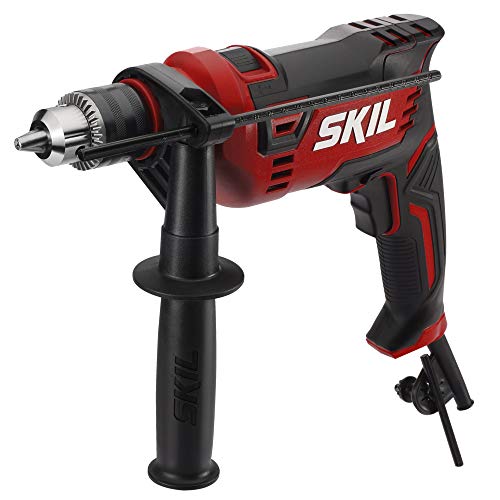
Skil 7.5-Amp Corded Hammer Drill
What We Like
- 7.5-amp motor for demanding concrete work
- Dedicated hammer drilling function switch
- Keyed chuck secures large masonry bits
- Side handle improves control and safety
Trade-offs
- Corded design limits mobility on a jobsite
- Keyed chuck requires a tool for bit changes
With a 7.5-amp motor, this corded hammer drill provides consistent power for demanding drilling and hammer drilling applications, so you don’t have to stop to recharge a battery. Its 2-in-1 function easily switches between standard drilling and hammer drilling, making it suitable for a wide range of materials. A side assist handle improves safety and accuracy, and a variable speed trigger provides increased control for different tasks.
The trade-off for that steady power is the cord, which means planning your work around an outlet or extension cord. It is a straightforward, durable tool that gets the fundamentals right. When you compare it to a purpose-built SDS rotary hammer, the Skil’s hammering action is less aggressive. This makes it better for smaller, less frequent concrete tasks rather than all-day foundation work.
Product photos
Makita XPH16Z Compact Hammer Driver-Drill

What We Like
- Compact size for tight spaces and overhead work
- Brushless motor for longer run time and tool life
- High torque output for demanding fastening
- Two-speed gearbox covers drilling and hammering
Trade-offs
- Tool only: requires separate purchase of Makita 18V LXT battery and charger
- Hammer function is for occasional masonry, not heavy daily concrete drilling
Its compact size and 970 in.lbs. of torque make the XPH16Z a uniquely versatile tool. It’s a full-power driver-drill that can handle heavy fastening and sink wood screws all day, yet it’s small enough to fit in a crowded tool belt or tackle work in tight corners. The brushless motor delivers the efficiency for longer runtime, and the quick switch to hammer mode provides just enough percussion for hanging fixtures or drilling the occasional anchor hole in concrete or brick. This is the ideal primary drill for carpenters, remodelers, or serious DIYers who need a do-everything tool that excels at driving but can handle light masonry work without needing a second, bulkier hammer drill.
While the Makita XPH16Z’s hammer function can handle mounting tasks in concrete or brick, it is not intended for drilling dozens of large holes in masonry back-to-back. For sustained, heavy-duty concrete work, a dedicated rotary hammer like the DeWalt 20V MAX SDS Plus is more suitable. This tool is primarily a versatile drill that can step into a hammer role when needed, as noted by a carpenter who found it well-suited for typical drilling and occasional masonry tasks.
Product photos
Berserker SDS-Max Heavy Duty Rotary Hammer

What We Like
- High 10-Joule impact energy for fast demolition.
- Powerful 13-amp industrial motor delivers 3,800 BPM.
- Six-speed transmission for application-specific control.
- Anti-vibration technology and overload clutch for safety.
Trade-offs
- Weighs 16 pounds, making it cumbersome for overhead work.
- No drill-only function limits its versatility for wood or metal.
- Its size and power are excessive for light-duty tasks.
With 10 Joules of impact energy, this tool is built to break through reinforced concrete and tackle serious demolition without hesitation. It suits contractors and serious renovators who need to chip out foundations, break up thick slabs, or drive large anchors all day. The SDS-max chuck and 360-degree handle provide a secure grip for heavy chiseling, while the anti-vibration design helps manage the substantial force.
That raw power comes with real heft. At 16 pounds, the Berserker demands respect and physical stamina, especially compared to a more manageable tool like the DeWalt 20V MAX SDS Plus. This is a specialized, corded beast for the toughest jobs. It will feel like overkill for drilling tapcon screws or hanging a shelf. When you need to remove a concrete step or a section of wall, nothing else in the guide will get it done faster.
Product photos
Bosch GSB18V-65N Hammer Drill/Driver

What We Like
- Switchable KickBack Control for safer bind-up handling
- Rapid Mode Selector for quick function changes
- Dual LED worklights for low-light visibility
- Compact, ergonomic design for tight spaces
Trade-offs
- Tool only: requires separate 18V battery and charger purchase
- Not an SDS system for heavy, frequent concrete work
The brushless motor delivers 575 inch-pounds of torque, which is ample for drilling anchor holes in concrete block or driving large lag bolts. It’s the right choice for a carpenter or remodeler who needs a capable hammer drill function without sacrificing the compact, all-day comfort of a driver.
That compact size positions it for versatile operation, with a rapid mode selector for quick transitions between hammering, drilling, and driving. Switchable KickBack Control is included to minimize the risk of sudden tool reactions during bind-up. AMPShare compatibility allows the tool to work with Bosch 18V batteries and a growing list of products from other AMPShare brands.
Product photos
How We Evaluated Drills For Concrete
Our evaluation was research-based, focusing on specifications from manufacturers, insights from professional tool round-ups, and consistent patterns in user feedback. We never handled these tools ourselves, but we synthesized this data to identify clear performance tiers and trade-offs for concrete work.
Key criteria include impact energy for breaking masonry, which is measured in joules or foot-pounds. We also considered tool weight for user fatigue and the drilling system to see if a standard hammer drill or a dedicated SDS rotary hammer is appropriate. Other factors were vibration control features and whether a model was tool-only or part of a kit.
Any evaluation based on product research has limits. Factors like real-world battery runtime, long-term durability, and precise ergonomics are not verified. This guide highlights tools that are designed for specific concrete tasks, from occasional anchoring to professional demolition.
What To Look For In Drills For Concrete
Concrete is unforgiving. The right drill makes the difference between a quick, clean hole and a frustrating, bit-burning struggle. Your choice hinges on the job’s scale, the required hole size, and your need for mobility.
Look for a tool with enough impact energy (joules) for your typical hole diameter, a comfortable weight for your work duration, and the right chuck system. SDS for frequent drilling, a standard hammer drill for mixed tasks.
Impact Energy & Drilling System
Impact energy, measured in joules or foot-pounds, is the force a drill’s hammer mechanism delivers with each blow. For small anchors in brick or block, a standard hammer drill with a keyed or keyless chuck may suffice. For frequent drilling into solid concrete, especially larger holes, an SDS (Slotted Drive System) rotary hammer is far more efficient.
SDS tools use a dedicated chuck for tool-free bit changes and deliver a more direct, powerful piston-driven blow. Understanding the difference between hammer drill and rotary hammer is the first step in choosing correctly.
Power Source: Corded vs. Cordless
Corded drills, like the budget Deshuo model, offer unlimited runtime and consistent high power from a wall outlet, ideal for stationary, heavy-duty work. Modern cordless hammer drills provide exceptional mobility and have closed the power gap significantly; many professional-grade models now rival corded performance. The decision balances job site accessibility, the need to move freely, and investment in a battery platform. For maximum sustained power without battery management, a powerful corded hammer drill is the straightforward choice.
Weight, Vibration & Control
Drilling overhead or for extended periods makes tool weight critical. Lighter rotary hammer drills under 5 pounds, like our Milwaukee M18 SDS pick, drastically reduce fatigue. Vibration control systems (often called AVS or anti-vibration) are not just a comfort feature; they reduce long-term strain on your hands and arms. A side handle is essential for control and safety when using high-torque drills or drilling larger diameters.
- Use a side handle whenever possible, especially with high-torque models.
- For overhead work, prioritize tools under 7 pounds.
- Check for a dedicated hammer-only mode switch to avoid accidental engagement.
- Ensure the tool’s maximum drilling diameter in concrete meets your project needs.
- Pair your drill with high-quality drill bits for concrete for best results.
For most DIY concrete work, a hammer drill is adequate; for any project involving more than a few holes, a rotary hammer is worth the investment.
Drills For Concrete Compared
The table below compares key specifications across our top picks to help you see the differences at a glance.
| Product | Weight | Motor Type / Power | Impact Energy / Max Torque |
|---|---|---|---|
| Milwaukee M18 Fuel 1/2 Inch Hammer Drill | 4.2 pounds | N/A | N/A |
| DeWalt 20V MAX SDS Plus Rotary Hammer | 4.6 pounds | Brushless | 1.4 joules |
| Bosch Bulldog Xtreme SDS-Plus Rotary Hammer | 10.4 pounds | 7.5 amp | 2.0 ft-lbs |
| Makita XPH14Z 18V LXT Hammer Driver-Drill | 6 lbs | Brushless | 1,250 in.lbs. |
| Milwaukee M18 SDS Plus Rotary Hammer | 5.3 lbs | Brushless | N/A |
| Deshuo SDS-Plus Lightweight Rotary Hammer | 7.2 pounds | 9 AMP | 2.21 ft.lbs. |
| Skil 7.5-Amp Corded Hammer Drill | 5.2 pounds | 7.5 Amp | N/A |
| Makita XPH16Z Compact Hammer Driver-Drill | N/A | Brushless | 970 in.lbs. |
| Berserker SDS-Max Heavy Duty Rotary Hammer | 16.0 Pounds | 13 AMP | 7.38 ft.lbs. |
| Bosch GSB18V-65N Hammer Drill/Driver | 2.5 pounds | Brushless | 575 In.-Lbs. |
Frequently Asked Questions
What type of drill is best for drilling concrete?
For drilling into concrete, a rotary hammer with an SDS chuck is the best tool. It uses a piston mechanism to deliver much more effective impact energy than a standard hammer drill, making it faster and less taxing on the user. For occasional small anchors, a quality hammer drill can work, but for any serious or frequent concrete work, a rotary hammer is the right choice.
What is the most powerful drill for concrete?
The most powerful drills for concrete are heavy-duty rotary hammers, often corded, with high impact energy ratings. Our pick for heavy demolition, the Berserker SDS-Max, delivers 10 joules, which is suited for core drilling and breaking. For maximum impact in a more standard rotary hammer size, the corded Bosch Bulldog Xtreme offers 2.0 foot-pounds of energy.
What is the trick to drilling concrete?
The key to drilling concrete is using a sharp, carbide-tipped masonry bit designed for hammer drilling, applying steady, firm pressure without forcing, and letting the tool’s hammer action do the work. It’s crucial to use a rotary hammer for anything beyond very small, shallow holes. For a full breakdown of technique, our guide on how to drill concrete covers the essential steps.
What is the best drill bit for drilling into concrete?
The best drill bits for concrete are carbide-tipped masonry bits designed for rotary hammers (SDS-Plus or SDS-Max shanks). These bits are engineered to withstand the high impact and abrasion of concrete. Using the correct top-performing concrete drill bits matched to your tool’s chuck system is as important as the drill itself.
Can a regular drill driver drill into concrete?
A regular drill driver, without a hammer function, cannot effectively drill into concrete. It will quickly dull standard bits and make little progress. You need at least a hammer drill, which adds a percussive action to the rotation. For anything more than a couple of small holes in soft masonry, a dedicated rotary hammer is the proper tool.
The Bottom Line
The Milwaukee M18 Fuel 1/2 Inch Hammer Drill is a strong overall pick for its durable construction and performance across many materials. This makes it suitable for contractors and advanced DIYers who need one versatile tool for both concrete and everyday drilling.
If your budget is tight but you need dedicated concrete power, look at the Deshuo SDS-Plus Rotary Hammer. For professionals facing major demolition, the Berserker SDS-Max is the necessary heavy-duty specialist. Ultimately, matching the tool’s impact energy and drilling system to your specific concrete task is the single most important factor for success.
