
10 Best Dust Separators in 2026
This post contains affiliate links. As an Amazon Associate, we earn from qualifying purchases.
Our top pick for the best dust separator overall is the Oneida Air Systems AXD259922 Dust Separator for its integrated caster base and clear bucket that simplifies shop organization. The Dustopper PRO wins for compact design, and the DEWALT 6 Gallon model is best for handling mixed wet and dry debris.
Choosing a separator involves more than just connecting a hose; you need to match its capacity, footprint, and efficiency to your specific tools and shop layout. We built this guide by researching specifications, manufacturer data, expert round-ups, and patterns in owner feedback to help you find the right match for your needs.
Top 10 Dust Separators in the Market
Certain content that appears on this site comes from Amazon. This content is provided "as is" and is subject to change or removal at any time.
The Best Dust Separators, Reviewed
Oneida Air Systems AXD259922 Dust Separator

What We Like
- Low 4-inch profile fits under workbenches
- Clear bucket for instant fill-level checks
- Built-in caster base with accessory storage
Trade-offs
- Requires a separate shop vacuum, not a standalone unit
It’s the complete package for a serious hobbyist who wants a durable, American-made setup that handles everything from drywall dust to wet debris without the footprint of a full dust collection system.
The trade-off is the 5-gallon bucket; you’ll be emptying it more often than you would with a larger separator like the Oneida Super Dust Deputy XL. That makes it perfect for a connected shop vacuum setup in a garage or single-bay workshop, but for continuous production work, you’d want a larger primary collection bin. Compared to simpler lid-style competitors, the Deluxe Kit’s integrated casters and hose management add a level of convenience that justifies its position.
Product photos
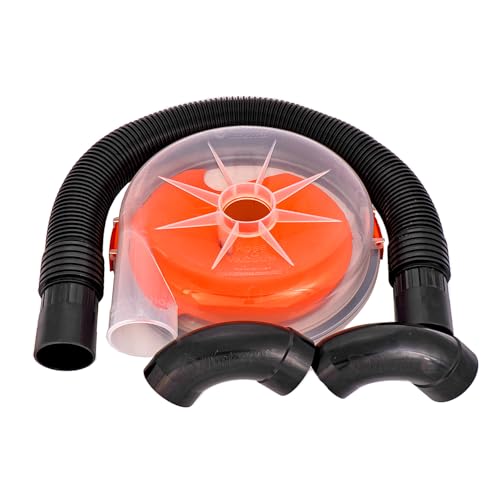
Dustopper PRO Dust Collector Cyclone Separator Kit
What We Like
- Made in the USA with award-winning innovation
- Includes smooth-radius elbows to maintain airflow
- Keeps vacuum filter cleaner to maintain airflow
Trade-offs
- Requires user-supplied 5-gallon bucket for a complete system
- Clear collection bucket not included
A 99.9% efficiency rating from a unit that’s only six inches tall is the real story here. The Dustopper PRO captures nearly all the fine dust before it hits your shop vac filter, which means you’ll spend a lot less time cleaning filters and money replacing them. This is the ideal pick for a crowded workshop where a tall cyclone would be a constant nuisance. Its compact, bucket-top form factor seals securely in seconds, creating a separation system that tucks neatly under a workbench or behind a tool cart.
Collection capacity depends on the standard 5-gallon bucket it seals to, not an integrated tank. Compared to a unit like the Oneida Dust Deputy Low-Pro Deluxe with its own clear bucket, the Dustopper PRO provides a lower-profile alternative. The included smooth-radius 90° sweep elbows help reduce airflow restriction compared to sharp-turn fittings.
Product photos
DEWALT 6 Gallon Dust Separator

What We Like
- Handles both wet and dry debris types.
- Four-caster base provides stable mobility.
- Comes with a comprehensive kit and warranty.
- Anti-clogging design maintains vacuum suction.
Trade-offs
- Tool-only kit excludes the vacuum cleaner itself.
- Weighs 12.0 pounds before adding debris.
This DEWALT separator comes with its own 6-gallon poly bucket, which provides a dedicated container for debris collection. The system is compatible with most shop vacuums through its 1-7/8″ or 2-1/2″ port, allowing for a quick setup. Its design aims to capture materials like wood chips and drywall dust before they reach the vacuum filter, which may reduce the need for frequent filter changes.
The unit includes a four-caster base for stability and mobility around a workshop. Its dimensions are larger than some compact separators like the Dustopper PRO, which measures 13.0 by 13.0 by 6.0 inches. All included components, such as the lid, hose, and hardware, are made from durable and heat-resistant materials.
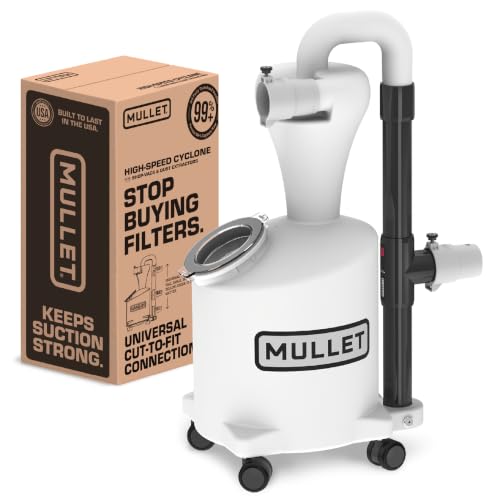
Mullet Cyclone Dust Collector
What We Like
- Parabolic cyclone design creates a faster, more efficient airstream
- One-piece construction and rigid PVC connection ensure an airtight seal
- Includes adapters for universal shop vac compatibility
- Made in the USA with domestic headquarters
Trade-offs
- Requires a user-supplied bucket for debris collection
- No integrated collection bin or mobile cart is included
Mullet’s cyclone separates over 99% of debris before it reaches the vacuum, which keeps suction strong and prevents clogged filters. Its parabolic, one-piece design creates a faster airstream for better capture efficiency than ordinary straight-wall assemblies. A rigid, cut-to-fit PVC connection replaces makeshift assemblies of bolts and tape, creating an airtight link to your hose. Universal hose adapters allow for easy connection to virtually all wet-dry shop vacuums and dust extractors.
This is a component, not a complete system. You must provide your own bucket and figure out how to mount it, which adds a step compared to a kit like the Dustopper PRO. The Mullet’s 7.5-pound body is also solidly built, so the total weight of your vac, hose, and separator on a bucket can get cumbersome to move around. For pure separation efficiency and bulletproof construction in a standalone unit, however, this cyclone stands out from the pack of basic lid-and-bucket assemblies.
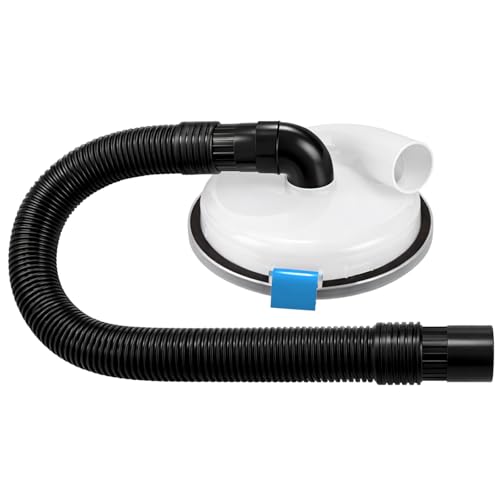
Cikawit High-Efficiency Cyclone Dust Separator
What We Like
- Leak-resistant seal with pre-installed gasket
- Complete kit includes hose and elbows
- Compact design fits in tight workshop spaces
- Reduces filter replacements for shop vacuums
Trade-offs
- Requires user to supply a 5-gallon bucket
- Hose size fixed at 2-1/2 inches
This dust separator arrives as a complete kit with hose and elbows, requiring minimal setup to connect to a wet/dry vacuum. Its pre-installed gasket creates a leak-resistant seal on standard five-gallon buckets, eliminating time spent adjusting for air leaks. The design offers a straightforward solution for protecting a vacuum’s filter without complex installation.
The kit requires you to supply your own five-gallon bucket, keeping the initial package compact. Among other products, the Oneida Air Systems AXD259922 lists an included clear bucket, while the Cikawit does not. Its fixed 2-1/2-inch hose determines vacuum compatibility.
Product photos
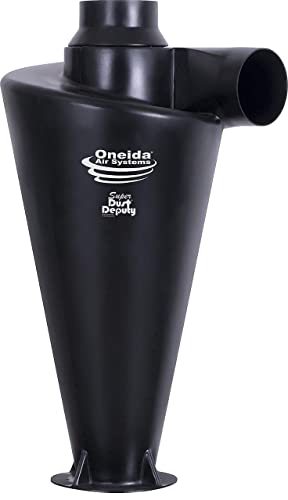
Oneida Air Systems AXD002030AXL Dust Separator
What We Like
- Handles 3-5HP dust collectors for heavy-duty use
- Claims 99% fine dust capture to protect filters
- Static-dissipative design for safe static discharge
- Lightweight 8.5 lb design simplifies installation
Trade-offs
- 37.5 inches tall needs significant vertical clearance
- DIY kit requires user assembly and sourcing a drum
With a 6-inch inlet and compatibility for 3 to 5HP dust collectors, this cyclone is intended for high-capacity workshop systems. It works with models from brands like Delta, Grizzly, Harbor Freight, and Jet, capturing 99 percent of fine dust and large debris before they reach the filter. That efficiency is the main benefit for active shops, designed to prolong filter life and help avoid suction loss. The static dissipative construction also safely conveys static charge to ground, which prevents harmful discharges.
This component requires installation, as it is not a complete, ready-to-use unit. Its 37.5-inch height means you must plan space for it mounted on a collection drum. For users operating a single tool with a standard shop vacuum, the horsepower requirement and physical size may exceed their needs. Other listed products, such as the Oneida AXD259922 or the Dustopper PRO, have more compact dimensions that could suit smaller-scale applications.
Product photos
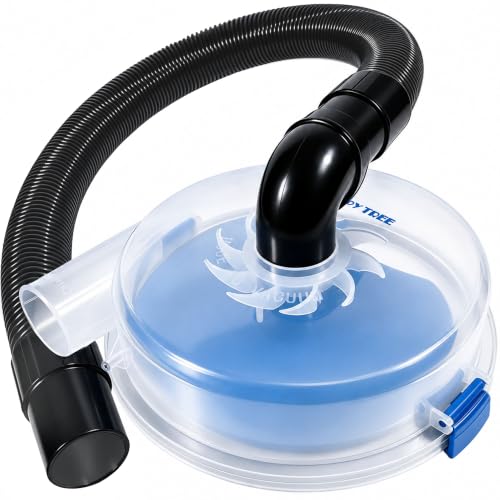
Happy Tree Low-Profile Cyclone Dust Separator
What We Like
- Extremely low 6.5-inch profile fits under benches.
- Includes all needed parts for immediate setup.
- Works with a vast range of dust and debris types.
- Airtight gasket seal prevents performance loss.
Trade-offs
- Requires a sturdy 90+ mil bucket to resist collapse.
- Only fits standard 5-gallon buckets, not included.
At just 6.5 inches tall, this separator’s lid is the key feature for anyone fighting for floor space. It slides right under a workbench or tool stand, staying out of the way until you need it. The kit is complete with hose and elbow, so you can drop it on a bucket and start pulling dust from your miter saw or sander in minutes. It’s the straightforward solution for the DIYer or woodworker who needs effective chip collection without dedicating permanent floor space to a bulky unit.
That low profile means it relies on your own bucket, which must be sturdy; the manufacturer recommends using a bucket with 90 mil plus thickness or nesting two buckets to prevent collapse from strong suction. For comparison, other separators like the DEWALT model integrate a dedicated 6-gallon bin. The Happy Tree unit fits standard 5-gallon buckets, a common size for many workshop users.
Product photos
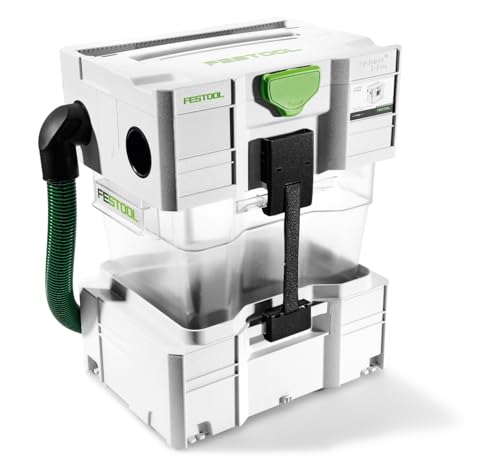
Festool CT CYCLONE Dust Separator
What We Like
- Flat cyclone design saves space and fits Systainer.
- Reduces filter bag changes to save money.
- OSHA silica compliance with a HEPA CT extractor.
- Pre-filters debris for high-dust applications.
Trade-offs
- Specifically designed for Festool CT extractors, limiting versatility.
Compliance with OSHA Table 1 for silica dust is a major functional benefit when this separator is paired with a HEPA-certified Festool dust extractor, which matters for on-site safety. Its flat cyclone design fits within the Festool Systainer system, making storage and transport straightforward. By removing larger debris before it reaches the main filter bag, the unit aims to reduce the frequency and cost of bag replacements, especially for machines generating high dust levels.
Integration with Festool’s ecosystem limits flexibility with other vacuum brands. A reviewer’s experience with a different cyclone model noted that a 36 mm Festool hose would not lock in securely due to a port depth issue, which highlights a potential compatibility consideration for system accessories. For a universal fit, models like the Oneida AXD259922 are built to adapt, but this Festool unit keeps a dedicated CT extractor setup compact and aims to save on filter costs.
VEVOR Cyclone Dust Separator with Metal Tank

What We Like
- High 99.61% separation rate reduces filter maintenance.
- Large 13.21-gallon metal tank offers substantial capacity.
- Fully transparent body allows for real-time process monitoring.
- Includes adapter for both 4-inch and 2-inch vacuum hoses.
Trade-offs
- Large 17.9-inch footprint requires significant floor space.
With a 13.21-gallon metal collection tank, this separator handles more sawdust and debris before needing to be emptied than many other models. Its cyclone achieves a separation rate of up to 99.61%, which helps extend a shop vacuum’s filter life during tasks like sanding. A fully transparent design allows you to see the dust collection process without opening the unit, and a hose adapter provides compatibility with different vacuum hose sizes.
That large tank results in a substantial unit measuring 17.9 inches in both width and height and weighing 17.9 pounds. It rolls on four casters for mobility around a workshop floor. The Dustopper PRO Dust Collector Cyclone Separator Kit, by contrast, is only 6 inches tall, illustrating a much lower-profile design for constrained areas.
Product photos
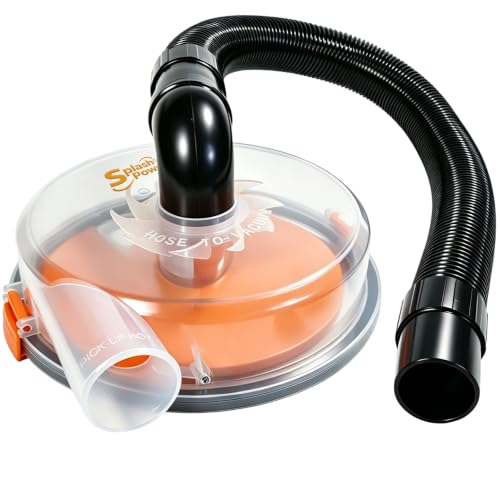
SplashPower Cyclone Dust Separator
What We Like
- Advanced cyclone design for fine dust separation
- Thick sealing gasket reduces air leaks
- Complete kit for immediate setup
- Space-saving profile fits under workbenches
Trade-offs
- Requires user-supplied 5-gallon bucket
- Low profile relies on bucket for stability
A complete kit with a low-profile design lets you run a cyclone system on a standard five-gallon bucket, protecting your shop vacuum’s filter from fine dust and debris. This straightforward setup is for the DIYer or pro who wants to add serious filter protection without a bulky, permanent installation. The kit includes a hose, connectors, and a 90-degree elbow for connection to most shop vacs. Its compact shape is designed to fit easily under workbenches or inside cabinets for storage.
You must provide your own bucket, and the 43-inch hose dictates how far the unit can sit from your vacuum. For a more integrated, heavy-duty solution with its own mobile cart, look at the Oneida AXD259922 kit. But if your priority is safeguarding your shop vac’s filter with a simple, space-efficient add-on, the SplashPower delivers exactly that.
Product photos
How We Evaluated Dust Separators
Our evaluation focused on specifications, manufacturer documentation, expert round-ups, and consistent patterns found in owner feedback. We prioritized three key criteria: separation efficiency to protect expensive vacuum filters, physical design and compatibility with common shop setups, and overall value based on what’s included in the kit.
First, we looked for evidence of high separation efficiency, as this directly impacts how often you must clean or replace your vacuum’s filter. Designs that create a strong cyclonic action and maintain an airtight seal are crucial for this. Next, we considered physical design, including the unit’s footprint, whether it includes a collection bin or requires a separate bucket, and its port compatibility with standard shop vac hoses. This determines how easily it integrates into your existing workflow.
Finally, we assessed value by comparing what each kit includes against its price point. A complete kit with hoses, adapters, and a mobile base offers immediate utility, while a bare-bones cyclone requires additional purchases. Since this is a research-based guide, we cannot verify specific performance claims like exact micron filtration percentages, but we highlight models that consistently receive praise for protecting filters and maintaining suction in user reports.
What To Look For In Dust Separators
A good dust separator extends the life of your shop vacuum or dust collector by capturing debris before it reaches the filter. The right choice depends on your shop’s size, the tools you use, and the type of debris you generate.
Focus on separation efficiency to protect your vacuum’s filter, a design that fits your shop’s physical space, and a kit that includes the necessary parts for your setup without hidden costs.
Separation Efficiency
The core job of a dust separator is to spin debris out of the airstream before it reaches your vacuum’s filter. Higher efficiency means less fine dust clogs the filter, maintaining strong suction and reducing replacement costs. Look for designs that promote a tight, fast cyclonic vortex; parabolic or optimized cyclone shapes often perform well here.
While we rely on manufacturer claims and user feedback for efficiency ratings, consistent reports of longer filter life are a strong indicator. Understanding how a cyclone dust separator works helps you evaluate these design features.
Design & Compatibility
Consider where the separator will live in your shop. A low-profile unit that fits under a workbench saves precious floor space, while a model on a mobile cart offers flexibility. Check if the unit is a complete system with its own collection bin or just a cyclone lid that requires a 5-gallon bucket. Port sizes are critical; most shop vacs use 2.5-inch hoses, while larger dust collection systems may use 4-inch ports. Ensure the kit includes the right adapters or that they are readily available.
Kit Completeness & Value
A separator’s value is defined by what you get in the box. A basic cyclone lid is budget-friendly but requires you to source a sturdy bucket and may need extra fittings. A premium kit includes a dedicated collection bin on casters, hoses, and a full set of adapters, offering a turnkey solution.
Assess your willingness to assemble parts versus paying for convenience. For those integrating with a central system, exploring best cyclone dust collectors might be the next step. For standalone vacuum use, pairing your separator with one of the best shop vacs for dust creates a powerful cleanup team.
- Confirm the hose diameter matches your vacuum and tools.
- Check that the collection bin capacity suits your project volume.
- Ensure any required bucket is sturdy enough to resist vacuum collapse.
- Look for a good seal at the lid to prevent air leaks.
- Verify the unit’s height fits your available clearance.
The best separator is the one that fits well into your existing shop layout and toolset.
Dust Separators Compared
The following table compares our top picks side-by-side across key specifications to help you spot the differences at a glance.
| Product | Dust Bucket Capacity | Hose Diameter | Compatibility / Included Bucket |
|---|---|---|---|
| Oneida Air Systems AXD259922 Dust Separator | 5 gallons | 2.5 inches | Clear 5-Gallon Dust Collection Bucket |
| Dustopper PRO Dust Collector Cyclone Separator Kit | Standard 5-gallon bucket | N/A | Standard 5-gallon bucket |
| DEWALT 6 Gallon Dust Separator | 6 gallons | 1-7/8" or 2-1/2" | 6 gallon poly bucket |
| Mullet Cyclone Dust Collector | N/A | N/A | N/A |
| Cikawit High-Efficiency Cyclone Dust Separator | Standard 5-gallon buckets | 2-1/2 inch | Standard 5-gallon buckets |
| Oneida Air Systems AXD002030AXL Dust Separator | N/A | 6 inches | N/A |
| Happy Tree Low-Profile Cyclone Dust Separator | Standard US 5-gallon bucket | 2.5 inches | Standard US 5-gallon bucket |
| Festool CT CYCLONE Dust Separator | N/A | N/A | N/A |
| VEVOR Cyclone Dust Separator with Metal Tank | 13.21 gallon metal tank | 4.0-inch / 101.6mm | 13.21 gallon metal tank |
| SplashPower Cyclone Dust Separator | Standard 5-gallon buckets | 2-1/2 inch | Standard 5-gallon buckets |
Frequently Asked Questions
Which dust separator is the best?
The best overall dust separator is the Oneida Air Systems AXD259922. It wins for its all-in-one design that includes a clear collection bucket on a mobile caster base, making it a durable and organized solution for most workshop owners. It effectively protects your shop vacuum’s filter while keeping your floor clear.
Are dust separators worth it?
Yes, dust separators are worth the investment for anyone who uses a shop vacuum regularly. They capture the bulk of debris before it reaches the vacuum’s filter, dramatically extending filter life and maintaining strong suction. This saves money on replacement bags or filters and reduces downtime for cleaning.
How to make your own dust separator?
You can make a basic DIY dust separator using a 5-gallon bucket, a specially designed lid, and PVC fittings to create a cyclonic action. While homemade versions can work, commercially available kits from brands like Cikawit or Happy Tree are engineered for better airflow and seal integrity, often offering more reliable performance for a reasonable cost.
What is the most powerful dust extractor?
The most powerful dust extractors are typically standalone units, not just separators. For high-volume workshops, a central dust collector with 3-5HP is the most powerful solution. A separator like our Best For Large Dust Collectors pick, the Oneida Air Systems AXD002030AXL, is designed to work with these powerful systems to protect their filters.
Can a dust separator handle wet debris?
Most cyclone separators are designed for dry dust and chips. For wet debris, you need a separator specifically rated for wet/dry use, like the DEWALT 6 Gallon Dust Separator. These models are built with materials and designs that prevent clogging and damage when sucking up liquids or slurry.
The Bottom Line
The Oneida Air Systems AXD259922 Dust Separator is the best overall pick for its complete, ready-to-roll kit that protects your vacuum and keeps your shop organized. It’s ideal for the workshop owner who wants a durable, integrated solution.
If you’re on a budget, look to the Cikawit High-Efficiency Cyclone Dust Separator for a complete, compact kit. For those with a Festool vacuum system, the Festool CT CYCLONE Dust Separator is the dedicated space-saving choice. Regardless of your pick, ensuring a tight seal and proper fit for your shop’s space and tools is the most important factor for success.
