
10 Best Recip Saws in 2026
This post contains affiliate links. As an Amazon Associate, we earn from qualifying purchases.
Our best overall reciprocating saw is the Milwaukee M18 Fuel Sawzall for its fast blade changes and durable, compact power. For a great corded value, the DeWalt 12-Amp model excels, while the Makita 18V LXT is our pick for a compact cordless tool. Choosing the right saw depends on your need for mobility, power, and the specific cuts you plan to make.
Many DIYers grab a recip saw for demolition, only to find its weight and kickback challenging in tight spaces. We focused on research, analyzing specifications and patterns in expert and owner feedback to identify the ten models that truly stand out. This guide cuts through the noise to help you find the right tool for your projects.
Top 10 Reciprocating Saws in the Market
Certain content that appears on this site comes from Amazon. This content is provided "as is" and is subject to change or removal at any time.
The Best Reciprocating Saws, Reviewed
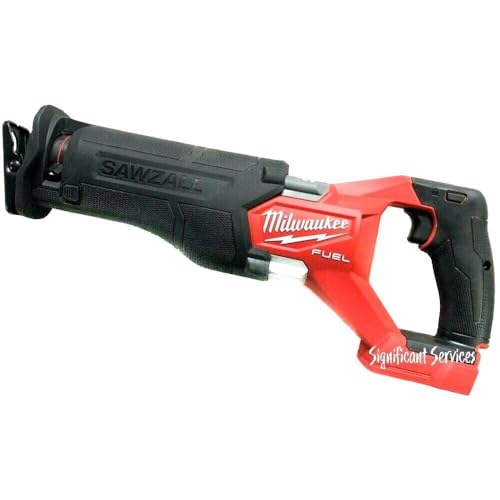
Milwaukee M18 Fuel Sawzall Reciprocating Saw
What We Like
- Lever-actuated blade clamp for fast changes
- Compact 10-inch length improves maneuverability
- Metal-reinforced battery connection for durability
- Integrated LED light for cutting in dim areas
Trade-offs
- Bare tool only: requires separate M18 battery purchase
- At 6.8 lb, it's heavier than some 18V cordless rivals
This Milwaukee M18 Fuel Sawzall is a bare tool, so it requires separate purchase of compatible M18 batteries and a charger. Its 10-inch length and 6.8-pound weight make it a compact and balanced cordless option, which helps when maneuvering in confined spaces. Reviewers of the related kit version report it slices quickly and easily through wood, PVC, and metal.
Research on corded models shows the Skilsaw Buzzkill edged out a Milwaukee 15-amp Super Sawzall in some cutting speed tests. For cordless freedom, this tool offers features like a wear-resistant lever-actuated blade clamp for fast changes and a built-in LED light for the work surface. The metal-reinforced battery connection is designed for improved durability over the tool’s life.
DeWalt 12-Amp Corded Reciprocating Saw

What We Like
- 12-amp motor handles heavy-duty tasks
- Four-position blade clamp enables flush cuts
- Keyless lever allows fast blade changes
- Variable speed trigger gives instant control
Trade-offs
- Cut a test 2×4 in 18 seconds, slower than premium models
- Corded design limits mobility compared to battery tools
A 12-amp motor designed for heavy-duty applications provides reliable power for common home projects. This corded saw uses a 1⅛-inch stroke length and a maximum 2,900 strokes per minute, which cut through a test 2×4 in about 18 seconds according to research. It suits the DIYer or occasional pro seeking durable DeWalt construction without the higher cost of most cordless models.
The tool may not match the performance of more powerful 15-amp corded saws or cordless models, as noted in research. Its 0-2,900 SPM range and variable speed trigger allow users to control cutting speed for tasks like pruning or demolition. This model represents a financial middle ground where corded reliability remains a practical choice for many workshops.
Makita 18V LXT Cordless Recipro Saw

What We Like
- Compact 19-1/8-inch length for tight spaces.
- Relatively light weight reduces operator fatigue.
- Tool-less blade change increases productivity.
- Variable speed trigger offers control.
Trade-offs
- Tool only: requires separate purchase of battery and charger.
- Weighs 8.3 lbs, heavier than some cordless competitors like Ryobi.
At just over 19 inches long and 8.3 pounds, the Makita XRJ04Z is a saw you can easily maneuver in crawl spaces or overhead without wearing out your arms. That compact, ergonomic design makes it a go-to for contractors and serious DIYers who need a cordless saw for all-day pruning, plumbing, or demolition in confined areas. It delivers reliable power with a 1-1/4-inch stroke and variable speed, handling most jobs that don’t require industrial-level brute force.
Research round-ups position this as a mid-range, budget-friendly option that outperforms entry-level cordless saws. It is sold as a bare tool, requiring a separate Makita 18V LXT battery and charger. For users already invested in that battery platform, the saw represents a logical addition without the cost of a new kit.
Makita 15-Amp AVT Recipro Saw

What We Like
- AVT system drastically reduces user fatigue
- 15-amp motor maintains speed under heavy load
- Long stroke cuts faster through material
- Lock-on button for extended trigger use
Trade-offs
- Weighs 10.1 pounds, a handful for overhead work
- Corded design limits mobility on a jobsite
A 15-amp motor paired with Makita’s Anti-Vibration Technology means this saw can chew through dense lumber and metal all day without shaking your arms numb. That combination of relentless power and user comfort is exactly what makes it the go-to for serious demolition and remodeling work where you’re plugged in and the cuts are tough. It’s built for the pro or advanced DIYer who needs a corded tool that won’t quit when the going gets gritty.
Anti-Vibration Technology (AVT) makes the Makita JR3070CT a comfortable choice for extended demolition work, as its internal counterbalance system greatly reduces vibration and directs more impact energy into the cut. This 15-amp corded saw does weigh 10.1 pounds, which demands more arm strength to maneuver than some lighter corded or cordless options. In a comparison of three top corded saws, the Skilsaw Buzzkill model edged out the Makita and a Milwaukee model based on superior cutting speed and a higher value score.
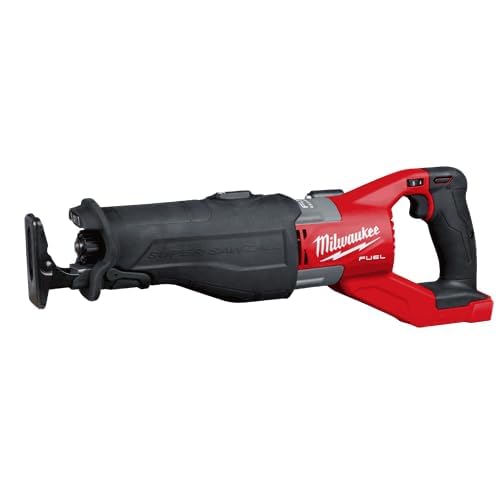
Milwaukee M18 Fuel Super Reciprocating Saw
What We Like
- Brushless motor matches 15A corded power
- Five-speed dial for ultimate cutting control
- Adjustable shoe extends blade life
- Integrated LED light and rafter hook
Trade-offs
- Bare tool: battery and charger sold separately
- At 8.8 lb, it's heavier than some cordless rivals
- Premium performance requires a high-output battery investment
This bare-tool cordless reciprocating saw delivers the power of a 15-amp corded model, a decisive advantage for users needing cordless freedom without compromise. Its 1-1/4-inch stroke length removes more material with each stroke. A variable speed trigger and five-speed dial provide ultimate control for demanding applications, while integrated intelligence offers overload protection to safeguard the tool and battery.
Weighing 8.8 pounds, this tool carries more heft than some cordless competitors like the 3.8-pound Ryobi ONE+. It requires a Milwaukee high-output battery, sold separately, to achieve its stated power. Research mentions that a corded Milwaukee Super Sawzall was close behind a leading corded model in cutting speed during specific material tests, indicating the performance tier this cordless model aims for.
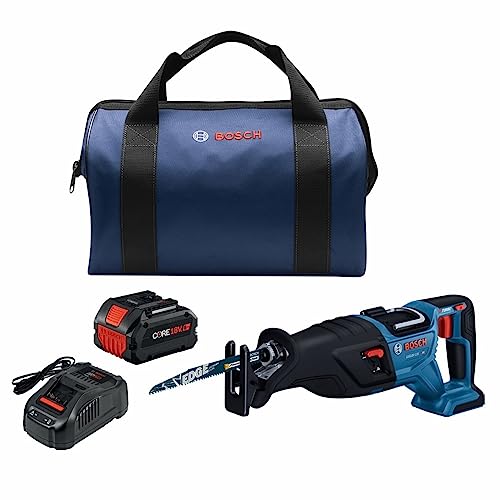
Bosch Profactor 18V Reciprocating Saw Kit
What We Like
- Tool-less blade system for quick, one-handed changes
- In-line design allows cuts close to walls
- Ergonomic soft grip and curved handle for comfort
Trade-offs
- At 17.7 inches long, it's less compact for tight overhead work
- The inline design differs from a traditional D-handle some users prefer
With a 1-1/8-inch stroke length and variable speed up to 2,900 strokes per minute, this Bosch saw is built for fast material removal in wood and metal. Its in-line body measures 17.7 inches long, a design that allows the blade to get close to walls for flush cuts. Bosch’s LockJaw system enables one-handed, tool-free blade changes, which keeps your hands away from hot metal after heavy use.
The ergonomic handle has a curved upper section and soft grip, a feature reviewers note makes it comfortable to hold in multiple positions during long cuts. Compared to the more compact 10-inch Milwaukee M18 Fuel Sawzall, this Bosch model offers greater reach but may feel less nimble in extremely tight spaces like between studs. Its brushless Biturbo motor is engineered to work with high-power CORE18V batteries for sustained performance.
Product photos
Bosch 12-Amp Corded Reciprocating Saw

What We Like
- Lightweight 8.2 lb design for easy maneuvering.
- Variable speed trigger for precise control.
- Quick tool-free blade changes minimize downtime.
- Pivoting footplate enhances cutting stability.
Trade-offs
- Tool only: requires a separate cord and outlet.
A 12-amp motor and 3,000-stroke-per-minute speed give this corded saw enough power for demanding cuts in wood and metal. Weighing 8.2 pounds, its lightweight design helps reduce user fatigue during overhead work or in confined spaces. The tool-free blade-change system allows for quick swaps to match the material being cut.
Operation requires a power cord connected to an outlet or generator, which limits mobility compared to cordless models. For shop work or tasks where an extension cord is practical, the Bosch GSA12-30 provides consistent power. Among corded options, its 8.2-pound weight is less than some heavier 15-amp models.
Product photos
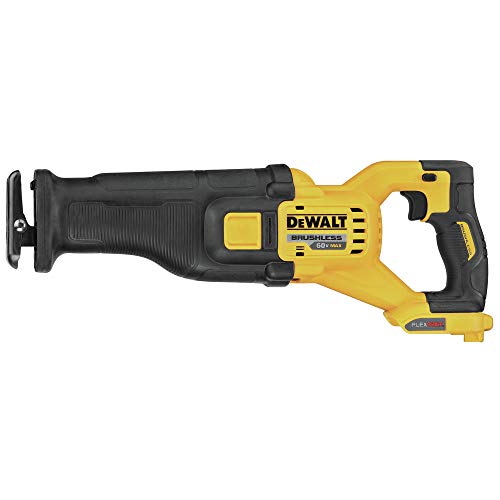
DeWalt FlexVolt 60V Reciprocating Saw
What We Like
- High 60V platform delivers corded-like power
- Variable-speed trigger for instant speed control
- Pivoting shoe provides leverage for tough cuts
- LED light illuminates dark work areas
Trade-offs
- Tool only: requires separate battery and charger purchase
- At 7.4 lb, it's heavier than many 18V cordless rivals
- 19.4-inch length can be cumbersome in tight spaces
This cordless reciprocating saw delivers power comparable to a corded tool, offering freedom from outlets for demanding cuts. Its 3000 SPM speed and 1-1/8-inch stroke length enable fast cutting, while the rubber overmold grip provides comfort during use. The design suits professionals or serious DIYers who need cordless capability for heavy-duty tasks and already own DeWalt’s FlexVolt batteries.
The tool weighs 7.4 pounds without a battery, which is heavier than the 6.8-pound Milwaukee M18 Fuel Sawzall. This weight can be tiring for overhead or detailed work, making a lighter tool potentially better for all-day tasks. For applications requiring substantial power, however, the saw’s design provides the necessary heft and leverage.
Product photos
Skil 7.5-Amp Reciprocating Saw
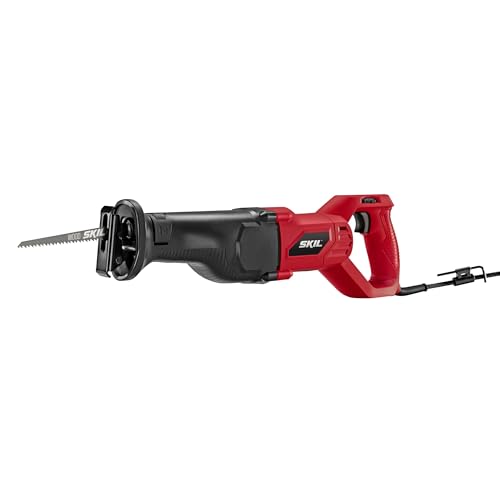
What We Like
- Tool-less blade change speeds up swaps
- Counter balance system controls vibration
- Pivoting foot aids stability in tough cuts
- Heavy-duty metal gear housing adds durability
Trade-offs
- Weighs 7.0 pounds, not the lightest in the class
- Corded design limits mobility compared to cordless options
A tool-less blade change system makes swapping blades fast and easy, which is handy for DIYers moving between materials. The pivoting foot provides extra stability on tough cuts, and a counterbalance mechanism helps control the vibration inherent to reciprocating saws. Its metal gear housing adds ruggedness for the demands of home projects.
Research on other models indicates that for frequent, demanding demolition, higher-amp corded saws like a 15-amp Skilsaw can offer superior cutting speed. For a homeowner remodeling a bathroom or cutting tree limbs, the feature set of this Skil saw is designed for the task. The trade-off in more intensive scenarios may involve the pace of work.
Product photos
Ryobi ONE+ 18V Cordless Recipro Saw

What We Like
- Variable speed up to 3,400 strokes per minute
- Fits the versatile Ryobi ONE+ battery platform
- Compact 17.1-inch length for tight spaces
Trade-offs
- Tool only: requires separate battery and charger purchase
At 3.8 pounds, the Ryobi ONE+ 18V Recipro Saw is one of the lightest cordless models available, a practical benefit for extended use. Its variable speed control adjusts up to 3,400 strokes per minute. The tool-only packaging means it requires a separate battery and charger purchase, relevant for users new to the Ryobi ONE+ system.
The trade-off for that featherweight feel becomes apparent in sustained, heavy-duty work. The 1-inch stroke length and lighter frame mean it won’t plow through thick, nail-embedded lumber as quickly as a dedicated corded tool like the DeWalt 12-Amp. It’s a specialist for maneuverability and comfort, not the primary saw for tearing down a deck. Keep it for the lighter, more precise jobs where its agility is a genuine advantage.
Product photos
How We Evaluated Reciprocating Saws
Our evaluation was based on thorough research of manufacturer specifications and professional tool round-ups. We also looked at consistent patterns in owner feedback. We prioritized criteria that matter most for this demanding category: cutting power and speed for efficient demolition, effective vibration control to reduce user fatigue, and overall ergonomics including weight and handle design for control in awkward positions.
We also valued features like tool-less blade changes and adjustable shoes that boost productivity on the job. It’s important to note this is a research-based guide; we did not perform hands-on timed cutting tests, so our performance notes are drawn from documented expert testing and aggregated user experiences.
What To Look For In Reciprocating Saws
A reciprocating saw is a primary tool for demolition, but selecting the right one requires matching its specifications to your tasks. The fundamental choice is between the continuous runtime of a corded model and the full mobility of a cordless tool. You must then balance the tool’s power against its weight and comfort for the jobs you do most.
The key is balancing power source, motor strength, and physical design. Corded saws offer consistent power for less cost, while cordless models provide freedom. A higher amp or volt rating generally means more cutting force, but also more weight. Look for vibration reduction features and a tool-less blade clamp to save time and effort on every job.
Power Source: Corded vs. Cordless
Corded reciprocating saws, like our Best Corded Value DeWalt, plug into an outlet for non-stop power, making them ideal for prolonged demolition where an outlet is accessible. They are typically more affordable upfront and avoid battery runtime concerns. Cordless models, such as the Best Overall Milwaukee M18, offer complete freedom of movement, crucial for roofing, landscaping, or remote job sites. The trade-off is the added cost of the battery ecosystem and the need to manage charge cycles. Your existing collection of power tool batteries will heavily influence this decision.
Motor Power and Stroke Rate
Motor strength, measured in amps for corded tools or volts for cordless, directly impacts cutting speed and ability to power through tough materials. A 15-amp corded saw like the Makita AVT is built for heavy-duty demolition, while a 12-amp model is sufficient for most homeowner tasks.
For cordless tools, platforms range from standard 18V to high-output 60V systems like the DeWalt FlexVolt. The stroke-per-minute (SPM) rate, often variable via the trigger, determines cutting speed; our Best Lightweight Cordless Ryobi goes up to 3,400 SPM. A longer stroke length, like that on the Bosch Profactor, can also increase cutting efficiency with each cycle.
Ergonomics and Vibration Control
Reciprocating saws are notoriously jarring to use. Weight and balance are critical, especially for overhead or one-handed cuts. Our Best Lightweight Corded Bosch weighs just 8.2 pounds for easier handling. Advanced vibration-damping systems, such as the AVT on the Makita 15-amp model, significantly reduce fatigue, allowing for longer, more controlled use. The handle design, whether a traditional D-handle or an inline grip like the Bosch Profactor, affects leverage and comfort during forceful cuts.
- Check the tool’s weight spec and consider if you’ll often use it overhead.
- Look for rubberized over-molding or soft-grip zones on the handle.
- Prefer a model with an adjustable or pivoting shoe to stabilize cuts and extend blade life.
- Ensure the blade release lever is easy to access and operate, preferably with one hand.
A lighter saw with good vibration control will leave you far less fatigued than a heavier, more powerful model without it.
Reciprocating Saws Compared
To help visualize the differences, the table below compares key specifications across our top picks.
| Product | Stroke Length | Weight | Power Source |
|---|---|---|---|
| Milwaukee M18 Fuel Sawzall Reciprocating Saw | N/A | 6.8 pounds | Cordless (M18 Battery) |
| DeWalt 12-Amp Corded Reciprocating Saw | 1-1/8 inch | 8.0 pounds | Corded |
| Makita 18V LXT Cordless Recipro Saw | 1-1/4 inches | 8.0 pounds | Cordless |
| Makita 15-Amp AVT Recipro Saw | 1-1/4 inches | 10.1 pounds | Corded |
| Milwaukee M18 Fuel Super Reciprocating Saw | 1-1/4 inches | 8.8 pounds | Cordless (M18 Battery) |
| Bosch Profactor 18V Reciprocating Saw Kit | 1-1/8 inches | N/A | Cordless |
| Bosch 12-Amp Corded Reciprocating Saw | 1-3/16 inches | 8.2 lbs | Corded |
| DeWalt FlexVolt 60V Reciprocating Saw | 1-1/8 inch | 7.4 pounds | Cordless |
| Skil 7.5-Amp Reciprocating Saw | N/A | 7.0 pounds | Corded |
| Ryobi ONE+ 18V Cordless Recipro Saw | 1 in. | 3.8 pounds | 18V Cordless (ONE+) |
Frequently Asked Questions
Which brand of reciprocating saw is considered the best?
Milwaukee and DeWalt are consistently top contenders, each excelling in different areas. Milwaukee’s M18 Fuel line, including our Best Overall Sawzall, is renowned for raw power and durability favored by professionals. DeWalt offers a strong balance of performance and value across both corded and cordless platforms, as seen in our Best Corded Value pick. The “best” brand often depends on whether you prioritize maximum cordless performance or reliable, affordable power.
What is the best recip saw?
The best reciprocating saw for most professionals and serious DIYers is the Milwaukee M18 Fuel Sawzall. It combines a compact design, a fast lever-actuated blade clamp, and substantial power suitable for demanding cuts. However, the best saw for you might be different; a homeowner needing a ready-to-use kit might prefer the Bosch Profactor, while someone on a tight budget should consider the Skil 7.5-Amp model.
Is there a difference between a reciprocating saw and a sawzall?
Yes, but it’s a matter of branding. “Sawzall” is a trademarked name by Milwaukee for their line of reciprocating saws, much like “Kleenex” is for tissues. All Sawzalls are reciprocating saws, but not all reciprocating saws are Sawzalls. The tools operate on the same back-and-forth cutting principle. When people say “sawzall,” they are often referring to any reciprocating saw, especially a heavy-duty model.
Which sawzall is better, Dewalt or Milwaukee?
It depends on your needs and existing tools. Milwaukee’s high-end Fuel models, like our top pick, are often cited for slightly faster cutting speeds and innovative features like the integrated LED. DeWalt offers exceptional value and a very wide range of models, from compact cordless to high-voltage FlexVolt options. For corded saws, DeWalt’s 12-amp model is a standout value, while Milwaukee’s cordless lineup is a frequent choice for pros invested in their M18 battery system.
What should I look for in reciprocating saw blades?
Blade selection is crucial for performance. Blades are designed for specific materials: wood-cutting blades have fewer, larger teeth, while metal-cutting blades have many small teeth. Look for shank compatibility (most are universal), length for reach, and tooth design for the cut speed and finish you need. A guide to reciprocating saw blade types can help you match the blade to your project for cleaner, faster cuts.
The Bottom Line
For professionals and dedicated DIYers who demand top-tier cordless performance, the Milwaukee M18 Fuel Sawzall is the best overall reciprocating saw, especially if you’re already using M18 batteries. Its combination of power, quick blade changes, and compact design makes it a reliable demolition partner. Budget-focused shoppers should strongly consider the DeWalt 12-Amp Corded Reciprocating Saw for its excellent value, while those needing to combat vibration during long sessions will appreciate the Makita 15-Amp AVT Recipro Saw.
Ultimately, your choice should balance the need for cordless mobility against the requirement for sustained power, always keeping the tool’s weight and ergonomics in mind for the types of cuts you’ll make most often.
