
10 Best Saws For Cutting Plastic in 2026
This post contains affiliate links. As an Amazon Associate, we earn from qualifying purchases.
Our best overall saw for cutting plastic is the Klein Tools 31432FC Mini Finish-Cut Hacksaw for its fine blade and compact design that excels in tight spaces. For heavy-duty pipe work, the HAUTMEC 11-Inch PVC Pipe Saw wins, while the KAKURI Mini Folding PVC Pipe Saw is ideal for pocket-sized precision.
Cutting plastic cleanly requires the right blade and tool form to avoid cracking, melting, or leaving a rough edge. We researched specifications, expert round-ups, and owner feedback to find ten top options. You’ll find a detailed comparison and clear guidance to pick the perfect saw for your project.
Top 10 Saws For Cutting Plastic in the Market
Certain content that appears on this site comes from Amazon. This content is provided "as is" and is subject to change or removal at any time.
The Best Saws For Cutting Plastic, Reviewed
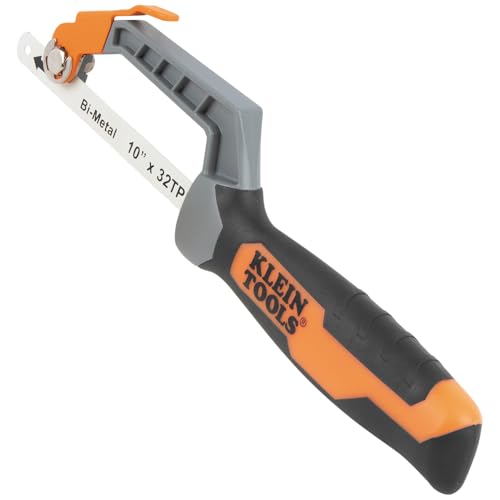
Klein Tools 31432FC Mini Finish-Cut Hacksaw
What We Like
- Fine 24 TPI blade for smooth cuts
- Compact 10.8-inch length for tight spaces
- Comfortable, secure overmolded handle
- Quick, tool-free blade exchange
Trade-offs
- 10-inch blade limits cut depth on larger pipes
A 24-teeth-per-inch blade delivers smoother cuts, which reduces the need for extra sanding on plastic pipe edges. Its compact size fits into low-clearance areas where a standard hacksaw cannot go. The contoured overmolded handle provides secure and comfortable handling during use.
The fine-grade blade is intended for smooth and precise cuts on materials like thin-wall copper, aluminum, PVC, PEX, ABS, and wood. Its tool-free lever allows for easy blade adjustment and replacement. Weighing 0.5 pounds, this mini hacksaw is designed for work in confined spaces.
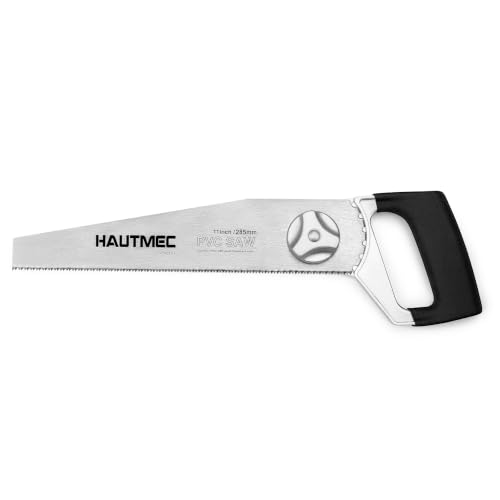
HAUTMEC 11-Inch PVC Pipe Saw
What We Like
- Induction-hardened 10 TPI teeth cut plastic cleanly.
- 11-position adjustable handle fits in extremely tight spaces.
- Anti-slip TPR grip improves control during long tasks.
Trade-offs
- At 0.6 lb and 15.4 inches long, it's bulkier than mini saws like the KAKURI folding model.
- Fixed blade design lacks the quick-change system of the KAKURI PVC Pipe Saw.
An 11-inch blade made from 1mm thick high-carbon steel gives this saw the rigidity to power through thick-walled PVC without wandering, a common frustration in plumbing work. It’s built for the user who needs to make controlled, heavy-duty cuts in plastic and wood, not just occasional trims. The induction-hardened 10 TPI teeth are the sweet spot for speed and a clean edge on acrylic and polycarbonate, so you spend less time cleaning up burrs and chips.
The real advantage is the adjustable handle, which locks at eleven different angles. This lets you work in cramped wall cavities or under sinks where a standard saw just won’t fit. That flexibility does come with a slight bulk penalty compared to a dedicated mini-hacksaw. For general-purpose plastic cutting where you also need to tackle drywall or wood, the HAUTMEC is a solid choice. If your work is exclusively on small-diameter pipes in open areas, a more compact option like the Klein Tools mini hacksaw might be easier to maneuver.
Product photos
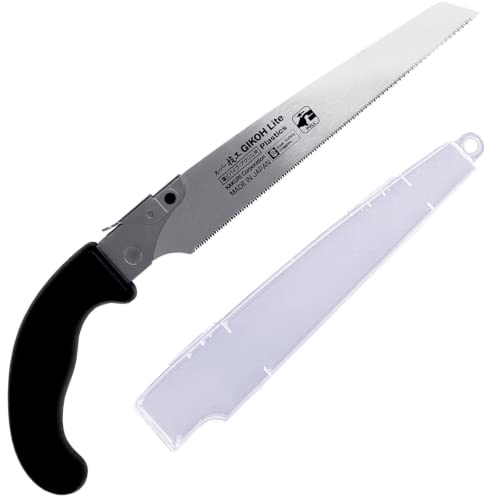
KAKURI PVC Pipe Saw
What We Like
- Tool-free, one-touch blade interchange system
- Special fine-tooth blade for smooth, low-burr plastic cuts
- Japanese impulse-hardened blade for long-lasting sharpness
- Compact, lightweight design at 5.9 oz
Trade-offs
- Blade length is shorter than many dedicated PVC saws
- Handle is fixed, lacks the adjustability of some competitors
A tool-free, one-touch blade change system allows for quick swaps without needing any tools. This quick-change design is paired with a specialized fine-tooth blade made from Japanese high-carbon steel, which is processed to maintain sharpness. The blade is designed for cutting hard plastics like PVC and acrylic to reduce burrs and cracks on the cut surface.
The blade is 8-1/4 inches long, which is shorter than some other PVC saws like the 11-inch HAUTMEC model. Its overall weight is 5.9 ounces, and the handle is made from TPR resin. A plastic scabbard is included that can store the saw and up to three spare blades.
Product photos
Z-saw PVC Pipe Saw

What We Like
- Specially ground teeth for clean, square pipe cuts.
- Replaceable blade system for long-term economy.
- Lightweight and compact for easy handling.
Trade-offs
- Maximum cut capacity is 100mm (PVC240) or 200mm (PVC300).
- No adjustable handle for cutting in tight angles.
A 1.5mm tooth pitch and specially ground profile are engineered for one job: cutting PVC and PE pipe with minimal burrs and a square edge. That focus makes this Z-saw the go-to for plumbers and installers who need clean, ready-to-socket cuts without extra filing. Its Japanese pull-saw action and featherlight 0.3-pound frame offer precise control, while the replaceable blade turns it from a disposable tool into a long-term fixture in the kit.
The trade-off is capacity. The blade is designed for PVC and PE pipes, with the larger PVC300 model handling diameters up to 200mm. For general-purpose plastic cutting or jobs requiring an angled handle, the Hanpex 13-Inch Adjustable Pipe Saw provides more versatility. The Z-saw thrives where cut quality is non-negotiable and the material falls within its specified range.
Product photos
KAKURI Mini Folding PVC Pipe Saw

What We Like
- Folds to a compact 5.7 inches for pocket carry
- Japanese carbon steel blade offers excellent sharpness
- Pull-cut action provides smooth, effortless cutting
- Comfortable, curved beechwood handle for secure grip
Trade-offs
- 4-inch blade limits capacity for larger pipes
- Fine 19.5 TPI blade may cut slower in thick plastic
With a folded length of 5.7 inches, this saw is designed for pocket carry, moving it from a workshop drawer to a tool you can have on hand anywhere. Its compact form pairs with a 4-inch blade of Japanese carbon steel, which is impact-hardened and plated to resist rust. This combination targets precision work on PVC pipe, acrylic plates, or plastic models, especially in confined areas where larger tools cannot reach. The Japanese pull-saw action cuts on the pull stroke, allowing for smooth, controlled cuts with less applied force.
The trade-off for that ultra-portable design is a limited cutting capacity. That 4-inch blade won’t efficiently tackle large-diameter pipe or lengthy cuts in sheet plastic. For those bigger jobs, you’d be better served by a model like the HAUTMEC 11-Inch PVC Pipe Saw with its longer blade and more aggressive tooth pattern. This KAKURI is a specialist, not a generalist. It excels at the fine, on-the-spot trimming and fitting work that happens after the main pieces are cut to size.
Product photos
ValueMax V016009 Saw

What We Like
- Lightweight aluminum frame reduces fatigue
- Compact size fits into tight workspaces
- Includes a spare bi-metal blade
- Ergonomic anti-slip handle for comfort
Trade-offs
- Blade changes require a separate screwdriver
- Weighs approximately 245g, heavier than some mini saws like the 0.3-pound Z-saw
At roughly 245 grams, this mini hacksaw is light enough for comfortable one-handed use in tight spots, a clear advantage for craft projects or quick cuts in confined areas. Its aluminum alloy frame contributes to that manageable weight, and the included spare blade provides backup for when the first wears out. This saw fits the DIYer looking for a general-purpose cutter for materials like plastic, metal, and wood, prioritizing compact storage and low weight over maximum cutting speed.
The fine 24-tooth blade is designed for hard materials, so it slices cleanly through PVC. It won’t clear chips as aggressively as a saw built specifically for plastic, however, which uses a coarser blade. You trade some cutting speed for versatility and portability. For cutting a few plastic pipes or trimming acrylic sheets, it’s perfectly capable, but you’ll feel the difference in effort on larger volumes.
Product photos
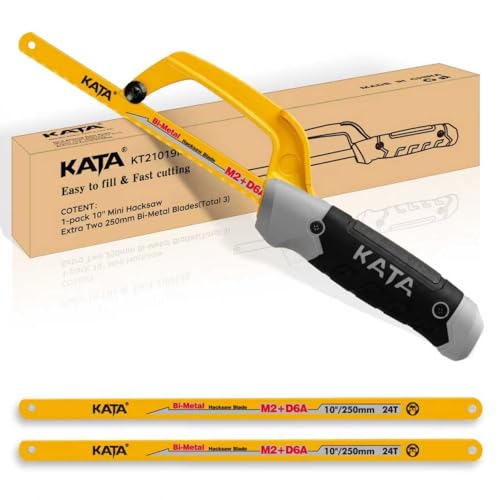
KATA 10 Inch Mini Hacksaw
What We Like
- Compact 10-inch frame for tight-space work
- Comes with three 24 TPI bi-metal blades
- Lightweight at 0.3 pounds for easy control
- Ergonomic handle provides a secure hold
Trade-offs
- 24 TPI blade is slower on large plastic cuts than a coarse-tooth saw
- Aluminum frame not intended for heavy-duty demolition
Weighing only 0.3 pounds, the KATA 10 Inch Mini Hacksaw is easy to maneuver in confined areas, with its compact aluminum frame designed specifically for tight spaces and toolbox storage. It includes three 24 TPI bi-metal blades, a tooth density suitable for cutting PVC pipe, plastic, and small metal rods without grabbing. This makes it a practical choice for common light-duty DIY and repair tasks around the home, workshop, or garage.
The manufacturer states this compact hacksaw is not intended for heavy-duty demolition, large lumber, or thick hardened steel. Its 24 TPI blade is designed for materials like thin tubing and bolts. For short, precise cuts on light-duty materials, the KATA is capable. Tasks requiring different tooth designs, such as a coarser blade for plastic, may benefit from a tool built for that specific purpose.
Product photos
Goldblatt Folding Drywall Saw
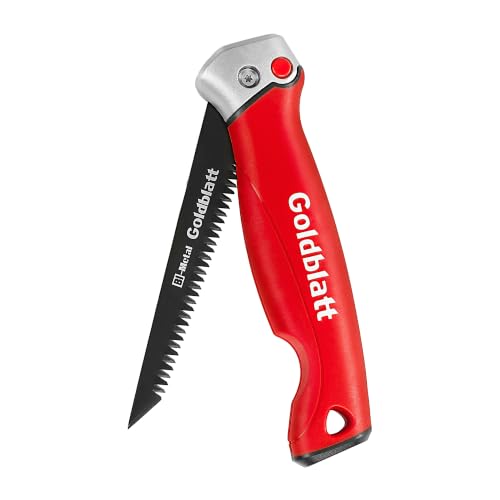
What We Like
- Folding design locks securely for safe storage
- Triple-ground teeth for fast, smooth cutting in both directions
- Ergonomic anti-slip grip fits most hand sizes
- Sharpened tip punches through drywall and plastic easily
Trade-offs
- 5.2-inch blade limits reach in thick material
- 8 TPI is coarse for finishing cuts on delicate plastics
Its folding design and sharpened tip make this saw a natural choice for anyone who needs to quickly punch into a wall or panel and make a controlled cut. The 5.2-inch bi-metal blade with 8 TPI bites aggressively, which is excellent for slicing through PVC, plastic panels, and drywall without clogging. The secure lock and compact folded length mean it tucks neatly into a tool belt, ready for the next plunge cut. This tool suits contractors and DIYers who value a single, portable saw for rough-in work on multiple materials.
Its compact folding design makes the Goldblatt easy to carry and store in a tool bag, but the 5.2-inch blade limits its reach for long cuts. For repetitive cutting of thicker plastic pipes, a longer fixed-blade saw provides a longer stroke. However, for mixed tasks like drywall repair and occasional plastic trimming, the Goldblatt’s multi-purpose design and secure folding lock offer significant convenience.
Product photos
Fanttik R11 Pro Mini Reciprocating Saw
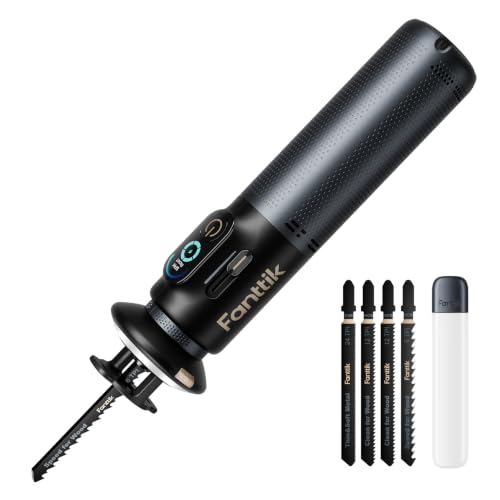
What We Like
- Gradient LED display shows battery and speed
- Dual counterweight system reduces vibration
- Compact 8.9-inch length for portability
- Brushless motor for long lifespan
Trade-offs
- Requires specific blades: thickness ≤1.4mm, length 3-4 inches
- Maximum cut depth limited to 3/4 inch
A dual counterweight system and 8.9-inch length deliver a compact, vibration-dampened power tool that fits easily into a toolbox. Its 0-2200 SPM stepless speed control allows precise adjustment for different materials, and it comes with five blades for various tasks. The cordless, built-in battery design with Type‑C charging eliminates bulky battery packs, and the gradient LED display shows battery level and speed to help plan work.
The trade-off is in its specialization. You must use short, thin T-shank blades, and the 3/4-inch depth limit means it won’t tackle thick plastic blocks. For longer, straighter cuts on large-diameter pipe, a dedicated hand tool offers a deeper, adjustable stroke. The Fanttik excels at detail work and overhead cuts where its light weight and anti-vibration design prevent fatigue, but it’s a precision instrument, not a brute-force tool.
Hanpex 13-Inch Adjustable Pipe Saw
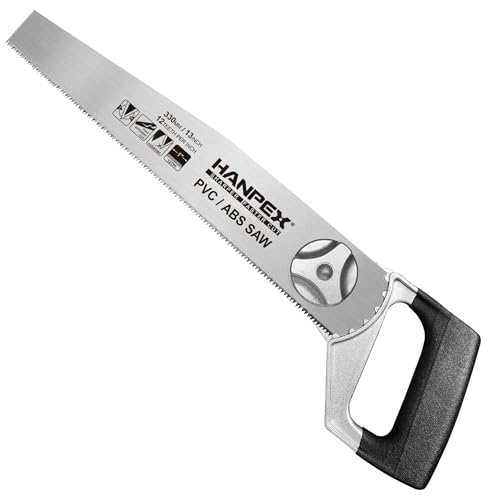
What We Like
- 13-inch blade handles larger pipes and stock.
- Adjustable angle for cuts in tight spaces.
- Lightweight and compact for easy portability.
- Ergonomic grip reduces hand strain during use.
Trade-offs
- At 0.7 lb, it is heavier than the 0.3 lb Z-saw.
- Longer 17-inch frame is less nimble than mini saws.
A 13-inch blade gives this saw the reach to tackle larger PVC pipes and plastic stock that smaller tools can’t handle, making it a solid choice for plumbing and construction jobs. The adjustable cutting angle is its real party trick, letting you get a clean bite in awkward corners where a standard saw would bind. This combination of reach and flexibility suits the DIYer or pro who needs one versatile hand saw for a mix of materials and tight-space challenges.
With a 13-inch blade, the Hanpex cuts through PVC, ABS, wood, drywall, and plastic, making it a versatile tool for plumbing, construction, gardening, and DIY projects. Its adjustable angle enhances versatility for precise cuts in tight or awkward spaces. At 0.7 pounds and 17 inches long, it offers more reach and capacity than compact saws like the 9.8-inch KAKURI Mini Folding PVC Pipe Saw, though it trades some pocket-portability for that larger frame.
Product photos
How We Evaluated Saws For Cutting Plastic
Our evaluation began by compiling specifications and manufacturer data for dozens of saws marketed for plastic or PVC. We then studied expert round-ups from professional tool and fabrication sites to understand which features truly matter for a clean plastic cut. Finally, we analyzed patterns in owner feedback to confirm real-world performance and identify common trade-offs.
The most critical criteria were blade teeth-per-inch (TPI) for a smooth finish, overall size and handle design for control in confined spaces, and blade change systems for convenience and long-term value. We also prioritized tools with features specifically noted for plastic, like specially ground teeth or pull-cut actions. A research-based evaluation like this can identify well-designed tools and common user experiences, but it cannot replicate the feel of a tool in your own hand during an extended project.
What To Look For In Saws For Cutting Plastic
Choosing the right saw prevents cracked edges, melted plastic, and frustrating cleanup. The goal is a tool that matches your material’s thickness and your workspace’s constraints.
Look for a fine-toothed blade (high TPI) to minimize chipping, a compact or adjustable frame for your workspace, and a secure, comfortable grip. For power tools, ensure you use blades designed for plastic to prevent melting.
Blade Teeth & Action
A blade’s teeth-per-inch (TPI) is the most important factor for a clean cut. For plastic, a higher TPI, generally 18 to 24, creates a smoother finish with less burr. Some saws, like the Z-saw PVC Pipe Saw, use specially ground teeth designed to cut plastic cleanly on the push and pull strokes.
For hand saws, a pull-cut action, where the blade cuts on the pull stroke toward you, often provides more control and a smoother finish on brittle materials. If you’re using a power tool like a jigsaw or reciprocating saw, you must use specialized blades for plastic to avoid generating excessive heat.
Size & Maneuverability
Plastic work often happens in cramped spaces, like under a sink or inside a cabinet. A saw’s overall length and frame design determine its maneuverability. Mini hacksaws and folding saws offer extreme portability for quick cuts. For cutting PVC pipe in a wall, an adjustable-angle handle or a compact reciprocating saw can be invaluable. Consider both the storage size (a folding saw fits in a pocket) and the in-use footprint; a longer blade can reach deeper, but a shorter, nimble frame is easier to control in a tight corner.
Handle & Control
A secure, comfortable grip is essential for guiding a fine-toothed blade accurately. Look for overmolded or anti-slip rubberized handles, especially if your hands might get sweaty. The handle shape should fit your hand naturally to reduce fatigue during longer tasks. For complex angles, an adjustable handle, like on the HAUTMEC or Hanpex saws, lets you reposition your grip to avoid awkward wrist positions. This control directly impacts cut quality and safety.
- Check if the handle is ambidextrous or contoured for a specific hand.
- Ensure any locking mechanism for adjustable or folding designs feels secure.
- For power tools, evaluate vibration damping, as seen in the Fanttik R11 Pro.
A comfortable grip you can hold firmly is just as important as a sharp blade.
Saws For Cutting Plastic Compared
The table below lets you quickly compare key specs across all ten saws.
| Product | Blade Length | Teeth Per Inch (TPI) | Weight |
|---|---|---|---|
| Klein Tools 31432FC Mini Finish-Cut Hacksaw | 10-Inch | 24 TPI | 0.5 pounds |
| HAUTMEC 11-Inch PVC Pipe Saw | 11 inches | 10 TPI | 0.6 pounds |
| KAKURI PVC Pipe Saw | 8-1/4 inches | N/A | 0.4 Pounds |
| Z-saw PVC Pipe Saw | 225mm | N/A | 0.3 pounds |
| KAKURI Mini Folding PVC Pipe Saw | 4 inches | 19.5 | N/A |
| ValueMax V016009 Saw | 10-inch | 24 TPI | 245g |
| KATA 10 Inch Mini Hacksaw | 10 inch | 24 TPI | 0.3 Pounds |
| Goldblatt Folding Drywall Saw | 5.2 inch | 8 TPI | 0.5 pounds |
| Fanttik R11 Pro Mini Reciprocating Saw | 4-inch | 6/12/24 TPI | N/A |
| Hanpex 13-Inch Adjustable Pipe Saw | 13 inches | N/A | 0.7 Pounds |
Frequently Asked Questions
What type of saw is best for cutting plastic?
For most plastic cutting, a fine-toothed hand saw like a mini hacksaw or a dedicated PVC saw is best. They provide control for a clean cut without generating heat that can melt the material. For thicker plastic sheets or faster cuts on pipe, a power tool like a jigsaw or reciprocating saw with a blade designed for plastic is effective.
What are some good saws for cutting plastic?
Good saws combine a fine blade with a manageable size. Our top picks include the Klein Tools mini hacksaw for general use, the HAUTMEC for heavy-duty pipe, and the KAKURI folding saw for portability. For powered options, a mini reciprocating saw like the Fanttik R11 Pro offers speed for trim and thin sheets when used with the correct blades.
What is the best cutter for cutting plastic?
The “best” cutter depends on the job. For thin plastic sheets, a utility knife or scoring tool works. For plastic pipe and tubing, a fine-toothed saw is the standard choice. For learning how to cut PVC pipe with speed, a reciprocating saw with the right blade is a powerful option, though it requires more skill to avoid a rough edge.
How can I cut plastic without it cracking?
Use a sharp, fine-toothed blade (high TPI) and cut slowly without applying excessive pressure. Support the plastic on both sides of the cut to prevent flexing and vibration. For some plastics, scoring the cut line first with a knife can help guide the saw and prevent runaway cracks. Proper technique is as important as the tool.
Can I use the same saw for plastic and metal?
Some saws are designed to be multi-purpose. A standard bi-metal hacksaw blade can cut both, but a blade optimized for metal may cut plastic poorly, leaving a rough edge. For clean plastic cuts, it’s best to use a blade designated for plastic or a very fine general-purpose blade. Our guide on saws for cutting aluminum highlights tools for other non-wood materials.
The Bottom Line
The Klein Tools 31432FC Mini Finish-Cut Hacksaw offers a great balance of a fine blade, a compact frame, and a comfortable grip. This makes it ideal for DIYers and pros tackling common plastic pipe and tubing jobs.
If your budget is tight, start with the KATA 10 Inch Mini Hacksaw. For specialized needs, choose the award winners: the HAUTMEC for brute force on big pipe or the pocket-sized KAKURI folding saw for detail work.
Ultimately, matching the blade’s teeth to your plastic is the single most important step to getting a clean, crack-free cut every time.
