
10 Best Sawzall Blades For Fiberglass in 2026
This post contains affiliate links. As an Amazon Associate, we earn from qualifying purchases.
Our best overall blade for fiberglass is the DeWalt DW4843 Carbide-Coated Reciprocating Saw Blade for its durable coating and flexible backing. The Tool Aid 90040 is ideal for fine, clean cuts with air saws, and the CQDAXUMY 16-Inch blade excels at slicing through thick insulation batts. Fiberglass quickly dulls standard blades, so choosing one designed for its abrasive nature is key to a clean, efficient job. We researched specifications, manufacturer data, and owner feedback to find the top performers for tasks from panel cutting to deep insulation work.
Top 10 Sawzall Blades for Fiberglass in the Market
Certain content that appears on this site comes from Amazon. This content is provided "as is" and is subject to change or removal at any time.
The Best Sawzall Blades for Fiberglass, Reviewed
DeWalt DW4843 Carbide-Coated Reciprocating Saw Blade
What We Like
- Carbide coating for long life in fiberglass
- Flexible backing helps prevent binding
- 5-pack offers good value for repeated use
Trade-offs
- 10.5-inch length may be unwieldy in tight spaces.
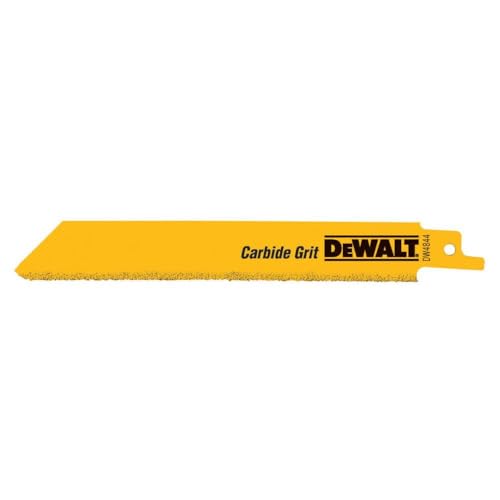
Carbide-coated teeth give this DeWalt blade long life in abrasive materials like fiber cement, brick, tile, and fiberglass, so you can complete more cuts before a change. Its 10.5-inch length handles thicker stock, while the flexible backing promotes smooth cuts without binding. High-performance carbide particles are bonded to the blade for cutting hard materials.
The design focuses on cutting hard, abrasive materials, not general-purpose use. A shorter blade, like the 7-inch Tool Aid 90040, offers a different length for different tasks. For sustained work on the listed abrasive materials, the DW4843’s carbide coating resists dulling to reduce blade changes.
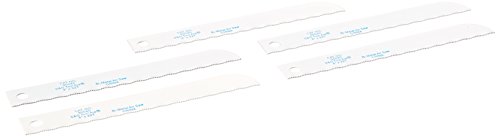
Tool Aid 90040 Bi-Metal Reciprocating Saw Blade
What We Like
- High 32 TPI count for clean cuts in thin material.
- Bi-metal construction with cobalt for shatterproof durability.
- Specifically listed for cutting fiberglass, plastic, and metals.
- Fits a wide range of major air saw brands.
Trade-offs
- 4-inch length limits reach in deep or confined cuts.
- Maximum material thickness of 1/16" is very restrictive.
- Designed for air saws, not standard electric reciprocating saws.
The Tool Aid 90040 is a 4-inch bi-metal blade with 32 teeth per inch, designed for general cutting of material 1/16 of an inch and thinner. Its bi-metal construction includes cobalt, which the manufacturer states provides long-lasting, shatterproof use. Packed five blades per pouch, it fits air saws from brands like Chicago Pneumatic, Ingersoll-Rand, and Snap-on that use a dual set screw retention system.
The major limitation is that 4-inch length. You won’t be cutting through thick fiberglass blocks or reaching into deep wall cavities with it. For those bigger demolition or insulation jobs, a long blade like the PAYA TOOLS PRO Fiber Insulation Blade is the right tool. Also, remember this blade is engineered for pneumatic saws. If your Sawzall is electric, you’ll need to look at the other options in the guide that specify electric tool compatibility.
CQDAXUMY 16-Inch Insulation Reciprocating Saw Blade
What We Like
- 16-inch length for deep, thick insulation
- Wavy teeth reduce fiber tearing
- Universal shank fits major saw brands
- Includes protective blade sleeve
Trade-offs
- Designed only for soft fibrous materials
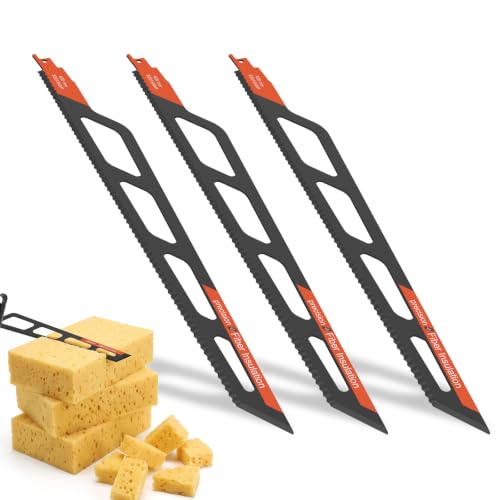
That 16-inch length is the whole story here. It lets you reach clean through deep batts in an attic or a basement wall without wrestling your saw into awkward angles. The blade is built from high chromium alloy steel and uses a wavy tooth pattern specifically to slice through rockwool and fiberglass while minimizing the ragged edges and pulled fibers that make a mess. This blade is for the contractor or serious DIYer who regularly faces insulation over a foot thick and needs a straight, full-depth cut.
Just remember its job is cutting soft stuff. The 1.5 mm thick, 50 mm wide blade is stiff enough for insulation but isn’t meant for wood or metal. For tougher composite materials like fiber cement board, you’d want a dedicated diamond-grit blade like the PAYA TOOLS option. This CQDAXUMY blade excels in its niche, making insulation work faster and cleaner, but keep a different blade on hand for anything more dense.
Product photos
PAYA TOOLS Diamond-Grit Reciprocating Saw Blade
What We Like
- Diamond coating offers six times the cutting life.
- Nine-inch length provides excellent reach in tight spaces.
- Thin kerf design enables fast, precise cuts.
- Reinforced body handles heavy-duty, dense materials.
Trade-offs
- Blade length is 9 inches, shorter than some 16-inch insulation blades.
- Pack contains 3 blades, fewer than some multi-packs.
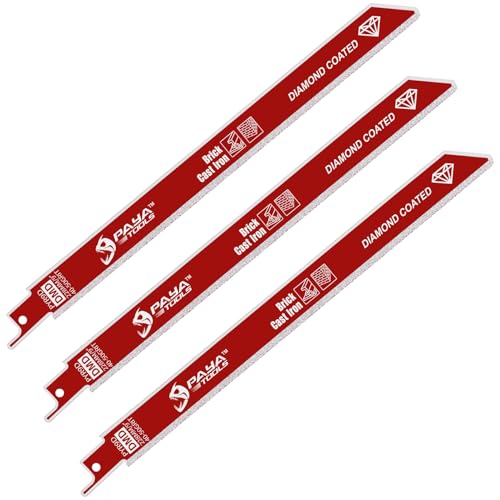
A nine-inch diamond-coated blade is built to grind through the toughest, most abrasive composites. This makes it a specialist’s choice for fiberglass panels laminated with resin or bonded to other materials. Its reinforced body and extended grit life prevent immediate dulling, so it’s the right tool when you need to make a few precise cuts in hardened fiberglass or fiber cement. You’ll want a blade that won’t quit mid-job, especially in confined areas where its length is an asset.
Designed for hard, abrasive materials, this diamond-coated blade delivers up to six times the cutting life of comparable products, which means fewer blade changes on a tough job. Its 9-inch length supports extended reach for confined-space operations, while the reinforced-body construction is built for heavy-duty cutting tasks with dense, thick materials. The thin kerf enhances speed and efficiency, allowing rapid material removal while maintaining cutting precision and clean results.
Product photos
Performance Tool M555-24 Reciprocating Saw Blade

What We Like
- Bi-metal construction for durability
- Universal fit for most reciprocating saws
- Ten blades provide extended use
- Smooth cutting design for fiberglass
Trade-offs
- 5.5-inch length limits reach in deep materials.
- Coarser 24 TPI compared to finer-tooth blades.
Performance Tool includes ten blades in the M555-24 pack, which means fewer interruptions for replacements during a big job. Their bi-metal construction aims for durability against breakage, and the 24-tooth-per-inch design is intended for smooth cutting through metals, fiberglass, and plastics. This makes the set a versatile option for applications like automotive work or metal fabricating where multiple materials are encountered.
The trade-off is in specialization. While it cuts fiberglass, the 5.5-inch length limits reach in thicker assemblies, and the tooth count is coarser than blades like the Tool Aid 90040, which is designed for finer cuts. For pure, clean fiberglass work, a dedicated blade is often better, but for mixed-material jobs where cost-per-blade matters, this Performance Tool pack gets the job done without emptying your wallet.
Product photos
HAPU HARPOW TOOLS Foam Insulation Saw Blade
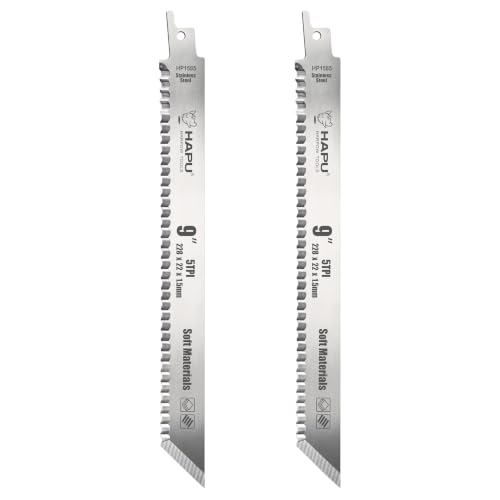
What We Like
- U-shaped teeth directly pierce material for easier starts.
- Front entry cutouts drastically lower frictional resistance.
- Sharply cut rock wool, glass wool, and thermal insulation cotton.
- Universal shank fits most reciprocating saw brands.
Trade-offs
- Not for use on wood or plastic, limiting versatility.
The double-ground U-shaped teeth are the real story here. They let you plunge directly into fiberglass batts without a pilot hole, which is a huge time-saver when you’re cutting out old insulation or trimming new batts to fit. Combined with the front entry cutouts, this design reduces binding and keeps the cut smooth, making it a standout for glass wool and other soft insulation materials. This blade is built for the DIYer or contractor who needs to move quickly through messy insulation jobs without the blade clogging or fighting back.
Specialization is the key trade-off, as this blade is explicitly not for wood or plastic, making it a single-purpose tool. Its design excels at pure fiberglass and rock wool demolition, where its piercing ability and reduced friction are focused. For other tasks, you will need to switch to a general-purpose blade.
Product photos
JMD Fiber Insulation Reciprocating Saw Blade

What We Like
- Wide 12-inch blade reaches deep into insulation.
- Pointed plunge design initiates cuts cleanly.
- Thicker gauge material prevents bending during use.
- Universal shank fits all reciprocating saw brands.
Trade-offs
- Two-blade pack may be insufficient for large projects.
- Wider body could limit maneuverability in tight spaces.
- Storage tube adds bulk compared to simple card packs.
This 12-inch blade is made from heat-treated chrome vanadium steel, giving it the reach and durability for thick insulation materials. Its sharp, precision-ground serrated edge is designed for tear-free results, and the wide body with thicker gauge material prevents bending during a cut. The pointed plunge design allows it to deliver precise, clean plunge cuts in thermal insulation like fiber insulation panels and mineral wool.
The blade’s application includes a range of materials such as fiber insulation panels, mineral wool, cork, leather, and cardboard. It features a universal shank, so it fits all brands of reciprocating saws. The set includes two blades stored in a plastic tube for convenient storage.
Product photos
jinmg Diamond-Grit Reciprocating Saw Blade
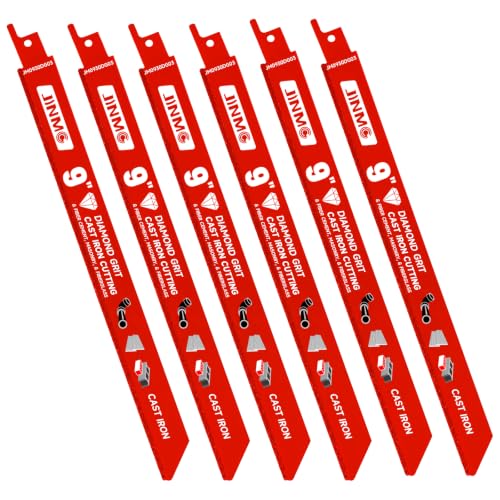
What We Like
- Diamond-coated edge lasts up to 8x longer
- Rigid core minimizes vibration and deflection
- Universal fit for most major saw brands
- Reduces binding and waste in fiberglass
Trade-offs
- Long 9-inch blade may be unwieldy in tight spaces
- Pack of six is a larger upfront commitment
Industrial-grade diamond grit can outlast standard blades by up to eight times, which means fewer trips to the toolbox for replacements. A rigid core minimizes vibration and deflection, so the blade stays steady for accurate cuts through tough materials like cast iron pipe, brick, and fiber cement. This combination of durability and stability makes it a clear choice for contractors or serious DIYers handling heavy-duty applications.
The trade-off is that the 9-inch length and aggressive diamond cutting action are overkill for precision trimming or working in confined cavities. For those finer fiberglass tasks, a purpose-built insulation blade like the JMD Fiber Insulation blade offers more finesse. This Jinmg set is about brute-force longevity across multiple hard materials, not surgical precision on one.
Product photos
jinmg 6-Inch Diamond-Grit Reciprocating Saw Blade
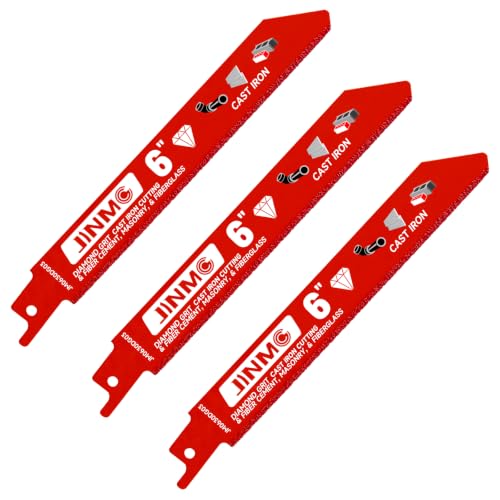
What We Like
- Diamond-coated edge for exceptional durability
- Rigid core minimizes vibration and deflection
- Universal fit for most major saw brands
- Cuts fiberglass, masonry, and cast iron
Trade-offs
- 6-inch length limits reach in deep cavities
Engineered with industrial-grade diamond grit, this blade effortlessly cuts through cast iron pipe, brick, fiber cement, and fiberglass. The rigid core minimizes vibration and blade deflection, ensuring steady, accurate cuts in confined spaces and on brittle materials like fiberglass. For contractors and serious DIYers, the diamond-coated edge offers durability that can outlast standard blades by up to eight times, reducing downtime across a mix of tough jobs.
The trade-off for that stability and multi-material ability is reach. At six inches, it can’t match the depth of longer, specialized insulation blades like the CQDAXUMY 16-Inch model for cutting through thick batt insulation in a wall cavity. Think of it as your go-to for controlled cuts on fiberglass panels, ducts, or boat hulls where a wobbling blade would ruin the job. For pure, deep insulation work, you’ll want a longer blade, but for vibration-free control on defined fiberglass cuts, this jinmg blade holds its line.
Product photos
PAYA TOOLS PRO Fiber Insulation Blade

What We Like
- 16-inch length for deep, dense insulation batts
- Specifically designed for mineral wool and glass wool
- Tooth geometry promotes fast, effective cutting
- Universal shank fits most reciprocating saws
Trade-offs
- Material limited to HCS, not carbide or bi-metal
- Single blade in the pack
A 16-inch blade built for thick, dense fibre insulation means you can plunge through an entire mineral wool batt without stopping to reposition. This PAYA TOOLS blade is purpose-built for that exact material, with a tooth pitch engineered to clear the fibrous debris and keep cutting. For a builder or renovator facing a wall of dense stone wool, this specification translates directly into speed and a clean cut line, which is why it stands out for that specific task.
Designed specifically for fiber insulation, this blade uses high-carbon steel sharpened to cut soft materials like mineral wool efficiently. Its construction focuses on force transmission through an even tooth pitch, which helps builders and renovators slice through dense batts quickly. While the blade works with all major reciprocating saw brands, its specialization means it is not intended for harder composites or masonry.
Product photos
How We Evaluated Sawzall Blades for Fiberglass
Our evaluation began by reviewing manufacturer specifications and product documentation to understand each blade’s intended material, construction, and key features like tooth design and coating. We then studied patterns in owner feedback to learn about real-world performance regarding durability, cutting cleanliness, and any common issues like binding or breakage.
The most important criteria were blade composition for abrasion resistance, tooth design for cutting action, and blade length for application depth. Since this is a research-led guide, we can’t verify hands-on performance claims about exact blade life or vibration levels beyond what the data indicates.
What To Look For In Sawzall Blades for Fiberglass
Fiberglass is abrasive, so a blade designed for it will last longer and cut cleaner than a standard wood or metal blade. Your main considerations are the blade’s construction, its tooth geometry, and the length needed for your specific project.
Choose a blade with a carbide coating or diamond grit for maximum life in abrasive fiberglass. Match the tooth count and design to your material thickness, and select a length that reaches the depth of your cut without being unwieldy.
Blade Composition & Coating
The blade’s material determines its resistance to the glass fibers that rapidly wear down standard steel. Carbide-coated blades, like our best overall pick, offer a hard, abrasive-resistant surface. Diamond-grit blades provide the longest life for dense, hard composites. For softer materials like insulation, a hardened carbon steel (HCS) blade is often sufficient and more affordable. Bi-metal blades, which combine a flexible back with a hard tooth edge, offer a good balance of durability and shatter resistance for mixed materials.
Tooth Design & Count
Tooth design dictates how the blade engages and severs the material. For thin fiberglass panels or sheets, a high teeth-per-inch (TPI) count, like 24 or 32, makes a smoother, cleaner cut. For fibrous insulation, blades often feature wavy or U-shaped teeth that shear the material to reduce tearing and binding. A pointed or plunge-cut tip helps initiate a cut without sliding. Understanding Sawzall blade types is crucial for matching the blade to the job.
Length & Application
Blade length should correspond to the depth of the material you need to cut. A 4-inch blade is great for tight spaces and thin sheets but useless for a 12-inch thick insulation batt. For deep cavities in walls or attics, a 12-inch or 16-inch blade is necessary. However, longer blades can be more prone to deflection and are harder to control in confined spaces. Consider your technique for controlling longer reciprocating saw blades effectively.
- Check the blade shank is universal (fits most saws) or matches your specific tool.
- Verify the maximum material thickness the blade is rated for, if specified.
- For large projects, consider a multi-pack for better value and less downtime.
A blade that is too short for the job will stall; one that is too long can be difficult to maneuver safely.
Sawzall Blades for Fiberglass Compared
The table below compares key features of all ten blades to help you see the differences at a glance.
| Product | Blade Length | Teeth Material/Design | Pack Quantity |
|---|---|---|---|
| DeWalt DW4843 Carbide-Coated Reciprocating Saw Blade | 10.5 inches | Carbide-coated | 5 blades |
| Tool Aid 90040 Bi-Metal Reciprocating Saw Blade | 4 inches | Bi-metal with cobalt | 5 blades |
| CQDAXUMY 16-Inch Insulation Reciprocating Saw Blade | 16 inches (400 mm) | Wavy tooth pattern | 3-pack |
| PAYA TOOLS Diamond-Grit Reciprocating Saw Blade | 9 inches | Diamond-grit coated | 3-Piece |
| Performance Tool M555-24 Reciprocating Saw Blade | N/A | Bi-metal | 10 blades |
| HAPU HARPOW TOOLS Foam Insulation Saw Blade | 9 inches (228 mm) | Double-ground U-shaped | 2-Pack |
| JMD Fiber Insulation Reciprocating Saw Blade | 12 inches | Precision-ground serrated edge | 2 pieces |
| jinmg Diamond-Grit Reciprocating Saw Blade | 9 inch | 40-50 diamond | 6 pack |
| jinmg 6-Inch Diamond-Grit Reciprocating Saw Blade | 6.0 inches | Diamond-grit edge | 3 blades |
| PAYA TOOLS PRO Fiber Insulation Blade | 16 inch (400mm) | Sharp, evenly distributed pitch | 1-Pack |
Frequently Asked Questions
What sawzall blade is best for cutting fiberglass?
For most fiberglass cutting tasks, a carbide-coated or diamond-grit blade is best because it resists the abrasive glass fibers. Our top pick, the DeWalt DW4843, uses a carbide coating for long life and a flexible backing to help prevent binding in materials like fiber cement and fiberglass.
What’s the best thing to cut fiberglass with?
A reciprocating saw (Sawzall) equipped with a blade designed for abrasive materials is an efficient tool for cutting fiberglass panels, sheets, and thick insulation. For drilling holes, you would need specialized fiberglass drill bits to prevent chipping and delamination.
Can a reciprocating saw cut fiberglass?
Yes, a reciprocating saw can cut fiberglass effectively when fitted with the correct blade. Using a standard wood-cutting blade will cause it to dull almost immediately. You need a blade with an abrasive-resistant edge, such as carbide, diamond grit, or a specific insulation-cutting tooth design.
What is the best type of cutting wheel for cutting fiberglass?
For angle grinders, a fiberglass-reinforced cut-off wheel is often recommended. However, for reciprocating saws, the “blade” is the cutting tool, and the best types are carbide-grit, diamond-grit, or blades with a high TPI and specialized tooth geometry for clean, controlled cuts in the material.
How do I choose between a carbide and a diamond blade for fiberglass?
Carbide-coated blades are a great all-around choice for fiberglass, offering good life at a mid-range price. Diamond-grit blades, like the PAYA TOOLS or jinmg picks, offer the longest potential life and are best for heavy-duty, continuous use on hard composites, but they often come at a premium cost.
The Bottom Line
The DeWalt DW4843 Carbide-Coated Reciprocating Saw Blade is the best overall choice for its balance of long-lasting abrasive resistance and value in a five-pack, ideal for cutting fiberglass panels and similar composites.
For budget-conscious shoppers tackling mixed materials, the Performance Tool M555-24 multi-pack offers a solid start. If your project involves deep, thick insulation, the CQDAXUMY 16-Inch blade is the tool for the job.
Ultimately, matching the blade’s construction and length to your specific fiberglass material is the single most important factor for a successful cut.
