
10 Best Cordless Sanders in 2026
This post contains affiliate links. As an Amazon Associate, we earn from qualifying purchases.
Our best overall cordless sander is the DEWALT 20V MAX XR 5-Inch Random Orbital Sander for its powerful performance and low-profile design. For budget-conscious Craftsman V20 users, the CRAFTSMAN V20 Cordless Orbital Sander is our top value pick, while the Bosch GEX18V-5N stands out with its durable brushless motor.
The right cordless sander gives you shop mobility without sacrificing finish quality. We focused on models that balance runtime, low vibration, and effective dust collection. This guide helps you match a sander to your existing battery platform and the specific sanding tasks you face most often.
Top 10 Cordless Sanders in the Market
Certain content that appears on this site comes from Amazon. This content is provided "as is" and is subject to change or removal at any time.
The Best Cordless Sanders, Reviewed
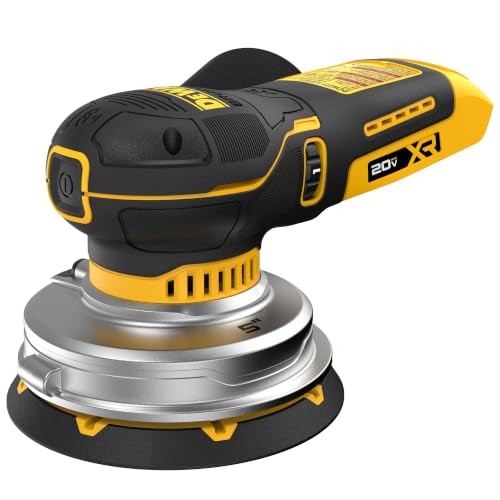
DEWALT 20V MAX XR 5-Inch Random Orbital Sander
What We Like
- Fits into tight spaces with low profile
- Variable speed control with five settings
Trade-offs
- Dust extractor and vacuum are sold separately
Sand up to 50 square feet on a single charge, which means you can tackle a major refinishing project without constantly swapping batteries. Combine that with the fastest material removal in its class and you have a sander built for productivity. It’s the right choice for the serious DIYer or pro who needs cordless freedom without sacrificing performance, and the 40% reduction in vibration makes those long sanding sessions far more tolerable.
The trade-off for that power and runtime is heft; at 3.8 pounds, it’s noticeably weightier than many competitors like the Bosch brushless model. You’re also buying into a system, as the excellent dust collection requires a compatible DEWALT vacuum. If your work involves overhead surfaces or detailed cabinetry, the weight might wear on you, but for most bench-top and floor-level work, its balance and control are worth the extra mass.
Product photos
CRAFTSMAN V20 Cordless Orbital Sander

What We Like
- Lightweight at 2.5 lbs for easy handling
- Includes dust bag and three grits of paper
- Part of the extensive V20 cordless system
- Low profile design aids in vibration control
Trade-offs
- Tool only: requires separate V20 battery and charger
- Lacks variable speed control for different tasks
- Research notes it can feel less smooth than some rivals
Weighing just 2.5 pounds, this sander is easy to manage for extended sessions on vertical surfaces or overhead work. It’s a solid entry into cordless sanding, especially if you’re already invested in the Craftsman V20 battery ecosystem. The included dust bag and papers get you started right out of the box, and the 12,000 OPM speed handles material removal competently for general DIY projects. For the budget-conscious user looking to add a cordless sander to their existing kit without fuss, this tool delivers core functionality where it counts.
This sander operates at a fixed 12,000 orbits per minute, which provides fast material removal but offers no variable speed control for fine-tuning on different surfaces. While capable for basic tasks, expert comparisons note the Ryobi RS290G had a smoother feel in operation. For users prioritizing finesse in finish work, models with variable speed or enhanced vibration damping may be more suitable.
Bosch GEX18V-5N Brushless Random Orbit Sander

What We Like
- Brushless motor for longer tool life.
- Lightweight design reduces user fatigue.
- Smooth finishing on various materials.
- Compatible with full Bosch 18V system.
Trade-offs
- Requires separate purchase of battery and charger.
- Sanding discs are sold separately.
Brushless technology supports a longer tool life, which means this sander is built for years of regular use in a workshop or on jobsites. At 2.4 pounds, it’s light enough to handle comfortably over long sessions of surface prep or fine finishing. The 5-inch pad works on a wide range of materials, making it ideal for carpentry, cabinetry, and remodeling tasks.
Since it’s a bare tool, you’ll need to purchase a Bosch 18V battery and sanding discs separately. For those with only occasional projects, that additional cost is a key consideration. The tool’s design measures 8.8 inches long and 6 inches wide, so it may not fit as easily into a packed tool bag as some other models.
Makita 18V LXT Cordless Finishing Sander

What We Like
- Two-speed electronic control for different tasks
- Large clamping lever for quick paper changes
- Ergonomic rubberized grip for comfort and control
- Cordless design offers full workshop mobility
Trade-offs
- Tool only: requires separate Makita 18V LXT battery and charger
- Lacks variable speed control for fine-tuning on delicate work
A two-speed, 1/4 sheet sander that delivers corded performance without the cord, making it a serious option for anyone already invested in the Makita 18V LXT ecosystem. The 11,000 and 14,000 OPM settings give you flexibility for different materials, while the large paper clamp and comfortable grip let you focus on the work, not the tool. It’s built for the user who values the freedom to move around a project without sacrificing the smooth, consistent finish a dedicated sheet sander provides.
Research and owner feedback highlight its smooth operation and relatively quiet 86 dB noise level, which makes longer sessions more pleasant. The trade-off is its fixed-speed design; you get two options, not a dial for infinite adjustment. For intricate work demanding fine-tuned speed, a model like the Metabo HPT 18V with six speeds offers more finesse. Dust collection here is basic, relying on a bag, so plan on using an adapter for a shop vacuum if dust control is a priority.
Metabo HPT 18V 6-Speed Random Orbital Sander

What We Like
- Six speed settings for precise material matching
- Lightweight 2.6-pound design reduces user fatigue
- Electric brake stops the pad quickly for efficiency
- MultiVolt battery compatibility extends potential runtime
Trade-offs
- Specific orbit diameter and OPM not detailed in listing
The six speed settings are the real story here, letting you dial in the perfect aggression for everything from delicate veneer to stubborn old paint. That control, paired with a sander that weighs just 2.6 pounds, means you can tackle big projects like floors or cabinets without your arm giving out halfway through. The electric brake is a thoughtful touch that stops the pad instantly, so you can check your work or move to the next spot without waiting. This is a fit for the detail-oriented woodworker or remodeler who values finesse and needs a tool that won’t weigh them down over a long day.
Metabo HPT includes the battery and charger with this sander, so it’s ready to run without extra purchases. Its compact, square shape is great for maneuverability. If you need to cover vast, flat surfaces quickly, a sander with a larger base plate might be a more efficient choice. Where this sander shines is in controlled, finish-grade work where its variable speed and light heft provide a clear advantage for precision.
CRAFTSMAN 20V MAX Cordless Detail Sander

What We Like
- Variable speed for different materials
- Effective two-port dust collection system
- Comfortable D-handle grip for control
- Dust-sealed switch for durability
Trade-offs
- Tool only: requires separate Craftsman 20V battery
- Lacks the broad surface speed of a full-size orbital
A variable speed range of 9,000 to 12,000 orbits per minute gives you the finesse needed for tight corners and delicate edges where bigger sanders can’t reach. This Craftsman is built for the detail-oriented woodworker or remodeler tackling trim, furniture repair, or intricate sanding tasks. The D-handle grip provides a secure, natural hold for vertical surfaces, and the dual dust collection options help keep your work area clean, which is critical for fine finish work.
This cordless detail sander runs on a 20V MAX battery and weighs 2.6 pounds, which makes it easy to maneuver for overhead or vertical tasks. Its D-handle grip is built for comfort and control during extended use in tight spaces where a bulkier tool wouldn’t fit. Since the battery and charger are sold separately, the initial cost depends on what you already own in the CRAFTSMAN 20V system.
Bosch 12V Max Brushless Orbital Finishing Sander

What We Like
- Compact size for hard-to-reach areas
- Ergonomic grip keeps hand close to work
- Brushless motor for long runtime
- Effective dust port with bag or vacuum hookup
Trade-offs
- Tool only: requires separate Bosch 12V battery and charger
- Limited to 1/3 sheet size, not full 5-inch orbital
This cordless sander’s compact size makes it easy to maneuver in tight corners and along edges, keeping your hand close to the workpiece for maximum control. Its brushless motor provides long runtime and corded-like power for stock removal. You can switch between 1/4 and 1/3 sheet sanding plates to match the task, and a vac hose interface allows for dust bag or vacuum attachment.
As a bare tool, it requires a separate purchase of a Bosch 12V Max battery and charger. At 4.2 pounds, it offers a stable feel but weighs more than some cordless options like the 2.5-pound Craftsman model. The balanced grip and soft-start technology, which reduces initial torque, provide excellent control for detailed work in confined spaces.
Product photos
RYOBI 18V Cordless Random Orbit Sander

What We Like
- Delivers a smooth, swirl-free finish.
- Compact size fits well in tight spaces.
- Cordless design provides job-site portability.
- Works on wood, drywall, and composites.
Trade-offs
- Tool only: requires separate battery purchase.
- Bare tool listing may cause confusion.
A 5-inch orbital pad paired with a compact, 2.7-pound body makes this sander a nimble choice for finish work. It’s built to deliver a superior, swirl-free surface on wood, drywall, and composites, which is exactly what you want for final prep before staining or painting. For the DIYer or pro already invested in the RYOBI 18V ecosystem who needs a cordless sander for detail-oriented tasks, this tool fits the hand and the job.
Sold as a bare tool, the RYOBI sander requires a separate battery and charger, which lowers the upfront cost but adds to it if you don’t already own the 18V system. At 2.7 pounds, it’s over a pound lighter than the DEWALT 20V MAX model, making it easier to handle for extended overhead or detail work. Its design delivers smooth, swirl-free sanding for wood, drywall, and composite surfaces.
Product photos
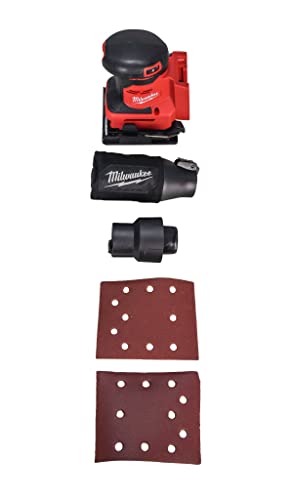
Milwaukee 2649-20 Cordless Sander
What We Like
- Excellent up to 95% dust collection
- Variable speed dial for material control
- Low vibration reduces user fatigue
- Two-step clamp for quick paper changes
Trade-offs
- Uses 1/4 sheet paper, not standard 5-inch discs
- Heavier than some competitors like the Bosch GEX18V-5N
- Tool only, requires Milwaukee M18 battery and charger
Up to 95% dust collection is the standout feature here, which means you’ll spend far less time cleaning up and more time actually sanding. For anyone working indoors or on finished spaces, that’s a massive quality-of-life improvement. This sander suits the tradesperson or serious DIYer who already uses the M18 platform and needs a cleaner workflow. The 1.6mm orbit and variable speed dial offer a strong balance, letting you tackle aggressive removal or a fine finish without swapping tools.
The trade-off is the 1/4 sheet format, which limits your abrasive choices compared to a 5-inch random orbital model. It’s also a bit heftier in the hand, which could matter on long overhead sessions. But if dust control is your primary headache, this Milwaukee effectively solves it. Research and owner feedback consistently highlight it as a cleaner, more comfortable option that holds up to professional use.
Product photos
Milwaukee M18 Random Orbit Sander

What We Like
- Exceptionally lightweight at just 2.0 pounds
- Ergonomic shape allows multiple gripping options
- Compact 6.0-inch length
Trade-offs
- Tool only: requires separate M18 battery and charger
- Research focuses on detail models, not this specific orbital
Weighing only 2.0 pounds, this sander is exceptionally easy to manage during extended use without causing arm fatigue. Its ergonomic shape provides the option to hold the oblong handle on top or wrap a hand around the base for control. This design suits overhead work or projects demanding precision, making it a fitting choice for users already invested in the Milwaukee M18 battery system.
You trade some raw power for that lightweight design. While owner feedback notes it sands to a fine finish, its 2.5-amp output means it might lag behind bulkier cordless sanders when aggressively stripping material. For demanding jobs, a heavier orbital sander would likely pull ahead. This Milwaukee is about finesse and comfort, not brute force.
How We Evaluated Cordless Sanders
Our selection is based on a review of manufacturer specifications, expert round-ups, and patterns in owner feedback. We prioritized performance factors critical for cordless use: battery system compatibility and runtime, vibration control for user comfort during extended sessions, and the effectiveness of dust collection to keep your workspace clean. We also weighed design elements like ergonomics and variable speed controls. A research-based approach cannot replicate years of hands-on wear, so we rely on consistent reports about durability and real-world performance from a wide range of users.
What To Look For In Cordless Sanders
Choosing a cordless sander means balancing power with portability. Your decision should start with your existing cordless tool batteries and then focus on the sander’s ability to complete your specific projects comfortably.
Key factors include your battery platform for cost savings, low vibration to prevent fatigue, and effective dust collection. Variable speed control adds versatility for different materials, while pad size dictates work speed and access.
Battery Platform Compatibility
The most significant cost and convenience factor is battery compatibility. If you already own cordless drills or saws, sticking with the same battery system is almost always the smartest move. This saves you from buying separate batteries and chargers, which often cost more than the bare tool itself. Our list includes models for all major platforms like DeWalt 20V MAX, Milwaukee M18, and Ryobi 18V. For those new to cordless tools, consider starting with a system that offers a wide range of other tools you may need.
Vibration Control and Ergonomics
A sander that vibrates excessively will fatigue your hands and arms quickly, making any project a chore. Look for models noted for smooth operation and low vibration in expert assessments. Ergonomics are equally important; a well-balanced tool with a comfortable grip allows for better control and reduces strain. Weight matters, too, especially for overhead work or detailed tasks. Our best cordless orbital sander models often excel in this area, prioritizing user comfort.
Dust Collection and Speed Control
Effective dust collection is not just about shop cleanliness; it also keeps your sanding pad cleaner for a more consistent finish. Most sanders use a bag, but the best connect directly to a shop vacuum. Variable speed control is a valuable feature, letting you match the sander’s orbits-per-minute (OPM) to the task. Use high speeds for aggressive material removal and lower speeds for fine finishing on delicate surfaces like veneer. For a deeper look at managing dust, explore our guide on sanders with vacuum attachment.
Pad Size and Sander Type
- Pad Size: A 5-inch random orbital sander is the versatile standard for most projects. Smaller pads, like those on detail sanders, are for corners and tight spaces.
- Orbital vs. Random Orbital: A standard orbital sander moves in a circular pattern, while a random orbital adds a simultaneous wobble to prevent swirl marks. For most woodworking, a cordless random orbital sander is preferred.
- Sheet Sanders: Use standard quarter-sheets of sandpaper, which are cheap and readily available, ideal for finishing flat surfaces like furniture.
- Specialty Sanders: For rapid stock removal on large, flat surfaces, a cordless belt sander is the tool, though it’s less common in cordless form.
Match the sander type to your most frequent task, don’t buy a detail sander to refinish a deck.
Cordless Sanders Compared
The following table compares key specs and features of our top picks at a glance.
| Product | Weight | Orbital Speed (OPM) | Battery Platform |
|---|---|---|---|
| DEWALT 20V MAX XR 5-Inch Random Orbital Sander | 3.8 pounds | 8,000 – 12,000 OPM | 20V MAX |
| CRAFTSMAN V20 Cordless Orbital Sander | 2.5 Pounds | 12,000 OPM max | V20 |
| Bosch GEX18V-5N Brushless Random Orbit Sander | 2.4 pounds | N/A | Bosch 18V |
| Makita 18V LXT Cordless Finishing Sander | N/A | 11,000 & 14,000 OPM | 18V LXT |
| Metabo HPT 18V 6-Speed Random Orbital Sander | 2.6 pounds | 6 variable speeds | Metabo HPT MultiVolt 18V/36V |
| CRAFTSMAN 20V MAX Cordless Detail Sander | 2.6 pounds | 9,000 – 12,000 OPM | 20V MAX |
| Bosch 12V Max Brushless Orbital Finishing Sander | 4.2 pounds | N/A | 12V Max |
| RYOBI 18V Cordless Random Orbit Sander | 2.7 pounds | N/A | 18V lithium-ion |
| Milwaukee 2649-20 Cordless Sander | 3.8 pounds | 13K to 11K OPM | M18 |
| Milwaukee M18 Random Orbit Sander | 2.0 Pounds | N/A | M18 Cordless |
Frequently Asked Questions
Who makes the best cordless sanders?
Several brands produce excellent cordless sanders, and the “best” depends heavily on your needs and existing tools. Brands like DeWalt, Milwaukee, Bosch, and Makita are consistently highly regarded for their performance, low vibration, and integration into extensive cordless tool systems.
What is the best battery sander for a beginner?
For a beginner, the best choice is often a sander that fits a budget-friendly battery platform you might already own or plan to invest in. The RYOBI 18V Cordless Random Orbit Sander is a strong contender for its smooth finish and access to Ryobi’s vast, affordable tool lineup.
Which is better, a Makita or a DeWalt orbital sander?
Both Makita and DeWalt make top-tier orbital sanders. The choice often comes down to which 18V or 20V Max battery platform you’re already invested in. DeWalt models are frequently praised for power and durability on job sites, while Makita tools are known for their refinement and ergonomic design.
What is the best brand for sanders?
There is no single “best” brand, as different brands excel in different areas. Bosch is recognized for exceptionally smooth operation and low vibration. Milwaukee is noted for its dust collection and system integration. DeWalt is known for strong power. Your best brand is the one whose battery system and tool ecosystem align with your workshop.
Should I buy a corded or cordless sander?
Cordless sanders offer unmatched portability and convenience for most workshop and job site tasks. However, for very long, continuous sanding sessions like refinishing large furniture, a corded model provides unlimited runtime. You can learn more about the trade-offs in our article on cordless vs corded power tools.
The Bottom Line
The DEWALT 20V MAX XR 5-Inch Random Orbital Sander is our best overall pick for its proven power, low-profile design, and reliability, making it ideal for woodworkers tackling large projects. If you’re on a budget or need a sander for tight spaces, look to the CRAFTSMAN V20 Cordless Orbital Sander or the compact Bosch 12V Max Brushless model, respectively. Ultimately, the most important factor is choosing a sander that fits the cordless battery platform you already use, ensuring the best value and workshop synergy.
