
10 Best Abrasive Blasters in 2026
This post contains affiliate links. As an Amazon Associate, we earn from qualifying purchases.
Our best overall abrasive blaster is the VEVOR 25 Gallon Sandblasting Cabinet for its excellent visibility and dust-sealed workshop convenience. For high-pressure power, consider the VEVOR 10 Gallon Heavy-Duty Sand Blaster. Budget-focused DIYers should look at the Auto Dynasty 5 Gallon Sand Blaster.
Choosing a blaster means matching the tool to your project size, air compressor capacity, and workspace. The wrong one will waste your time, media, and compressed air. We built this guide by researching specifications, manufacturer data, and owner feedback patterns across dozens of models.
You’ll get a clear breakdown of ten proven options and the key specs to check.
Top 10 Abrasive Blasters in the Market
Certain content that appears on this site comes from Amazon. This content is provided "as is" and is subject to change or removal at any time.
The Best Abrasive Blasters, Reviewed
VEVOR 25 Gallon Sandblasting Cabinet

What We Like
- Large acrylic window with LED for excellent visibility
- Pre-installed seals and filter for minimal dust leakage
- Durable, powder-coated steel construction resists rust
- Includes versatile blasting gun and four nozzles
Trade-offs
- Benchtop footprint limits the size of parts you can work on
A 25-gallon capacity means it holds up to 33 pounds of media, so you can complete frequent blasting tasks without constant refills. The sealed, illuminated workspace with a large acrylic window and bright LED lighting provides clear visibility of your work. Its construction from cold-rolled steel with a powder-coated finish offers resistance to corrosion. The included blasting gun and four ceramic nozzles are compatible with media like glass beads and aluminum oxide for removing rust, paint, and oxidation.
It needs a dedicated, solid workbench and a decent air compressor to feed it. Compared to a portable pressure tank like the Eastwood 200 Lbs model, this cabinet confines the mess but limits you to parts that fit through its door. It’s the smarter pick for detailed, repeat work where cleanliness and visibility trump raw portability.
VEVOR 10 Gallon Heavy-Duty Sand Blaster

What We Like
- High 60-110 PSI pressure range for tough jobs
- Large 4.2-gallon abrasive hopper reduces refills
- Durable ceramic nozzles resist wear and sparking
- Portable on two wheels with a 7.5-foot hose
Trade-offs
- Requires a separate 5.5KW air compressor to operate
- Abrasive media must be perfectly dry to avoid clogs
A 10-gallon capacity and a pressure range of 60-110 PSI mean this blaster is built for sustained, high-impact work on large surfaces like car frames or metal sculptures. It’s designed for the user who needs to remove heavy rust or paint over a big area without constantly stopping to refill the pot. The semi-automatic feed and adjustable gun make managing the abrasive flow straightforward, allowing you to dial in the aggression for the task. This setup is for serious DIYers or small shops tackling demanding restoration projects.
Operating this 10-gallon tank requires a separate 5.5KW air compressor, a significant upfront requirement. This makes it a dedicated, high-volume system rather than a simple plug-and-play kit. You gain professional-grade pressure and capacity for large-area work, but the trade-off is a need for serious air power and a substantial 39.8-pound footprint.
Product photos
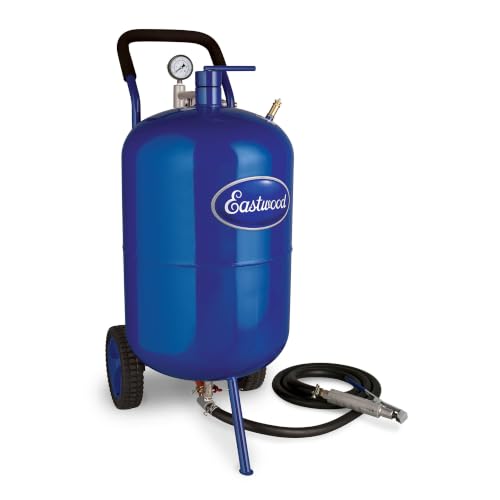
Eastwood 200 Lbs Portable Abrasive Blaster
What We Like
- Massive 200 lb media tank minimizes refills
- High-flow 1/2-inch valves speed up material removal
- Heavy-duty welded hopper suits professional use
- Includes four ceramic nozzles and safety deadman valve
Trade-offs
- Demands a compressor capable of 10 CFM at 90 PSI
A 200-pound media capacity minimizes refilling during extended blasting projects, allowing work on large items like a car frame without frequent stops. The Eastwood blaster’s high-flow 1/2-inch valves and blast hose are designed to deliver faster rust and paint removal. Its heavy-duty welded steel hopper provides long-lasting durability for professional environments.
This unit operates with a compressor producing 10 CFM at 90 PSI, which is required for its function and rules out smaller garage air systems. For projects requiring a contained cabinet, the VEVOR 25 Gallon Sandblasting Cabinet has a listed weight of 28.3 pounds and different dimensions.
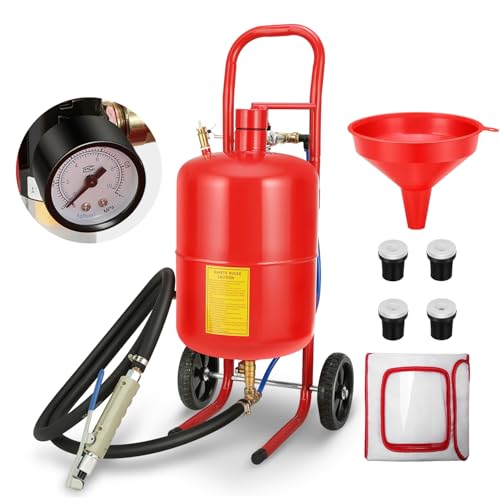
Auto Dynasty 5 Gallon Sand Blaster
What We Like
- Includes oil-water separator for dry air
- Two 6-inch rubber wheels for portability
- Four ceramic nozzles provide options
- Pressure gauge for real-time monitoring
Trade-offs
- 5-gallon capacity requires frequent refills for large jobs
- Needs a capable 6-25 CFM air compressor
A 5-gallon capacity and a 60-110 PSI working range put this pressure pot in a sweet spot for the cost-conscious DIYer tackling weekend projects. It’s built from powder-coated steel for durability and rolls easily on its two 6-inch wheels, making it a practical choice for garage clean-ups or automotive touch-ups where you need to move around. The included oil-water separator helps keep your media dry, and the four ceramic nozzles offer some versatility right out of the box. This is a straightforward machine for someone who needs more power than a handheld gun but doesn’t want to commit to a bulky, expensive setup.
The 5-gallon reservoir means more frequent media refills during extensive work, such as stripping a large car frame. For bigger jobs, a product like the VEVOR 10 Gallon Heavy-Duty Sand Blaster holds more media for longer runtime. This model fits between compact handheld gun kits and larger benchtop or floor-standing tanks, offering the high sandblasting density described for large-area surface treatment.
Product photos
Eastwood Siphon Abrasive Blaster with Vacuum

What We Like
- Built-in vacuum reduces media waste
- 28-gallon capacity for long sessions
- Filters debris to prevent clogging
- Works with many media types
Trade-offs
- 65.5-pound weight limits quick portability
- Requires a 6-22.5 CFM air compressor
What separates this blaster is its integrated 1200W vacuum, designed to recover most spent media for cleaner operation and reduced waste. That makes it suitable for tackling oversized parts in a workshop where containing the mess matters. The large 28-gallon hopper holds up to 125 pounds of abrasive, minimizing interruptions for refills, and it works with various media from walnut shells to aluminum oxide.
This is a shop-bound unit. At 65.5 pounds, you won’t be casually tossing it into a truck for a job site. It also demands a compressor that can deliver its required 6 to 22.5 CFM. For smaller, detailed components, a contained system such as the **VEVOR 25 Gallon Sandblasting Cabinet** would be more practical. For open-air work on oversized pieces where you want to reclaim media, this Eastwood design has a clear purpose.
Product photos
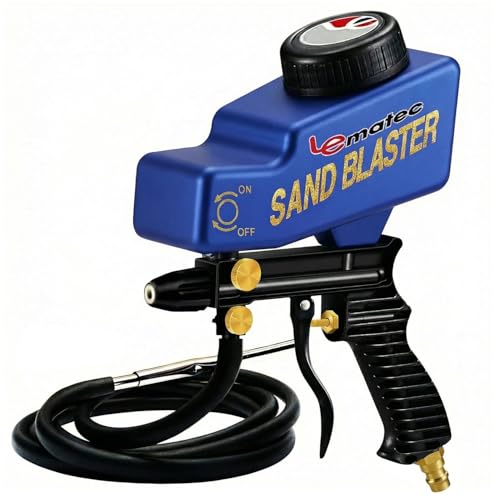
LE LEMATEC Sand Blaster Gun Kit
What We Like
- Hardened ceramic nozzle for wear resistance
- Dual feed modes for detail and large-area work
- Fully serviceable design for long-term use
- Compact and lightweight at just 2.2 pounds
Trade-offs
- Requires a substantial air compressor, not for small 1-3 gallon units
- Siphon mode demands full 4 CFM air flow to function properly
- Mandatory use of an inline air filter to prevent media clumping
The need for a compressor delivering at least 4 CFM at 90 PSI is the defining requirement, meaning typical small pancake models under 6 gallons will cause sputtering and poor performance. Its two feed modes offer flexibility: gravity feed for detail work and siphon feed for larger surfaces, though siphon mode demands that full air flow to generate vacuum lift. Built with a hardened ceramic nozzle and a serviceable design, this tool is meant for demanding DIY or professional environments where durability matters.
This gun’s versatility requires strictly dry air and clean media, as wet air will clump abrasives and cause clogs unless an inline filter is used. Compatible media includes dry abrasives like Aluminum Oxide or Glass Beads in grits from 46 to 100. For the home shop tackling a mix of tasks like automotive rust removal, glass etching, and surface prep, its ability to handle both detail and broader projects in one tool is a key advantage.
Product photos
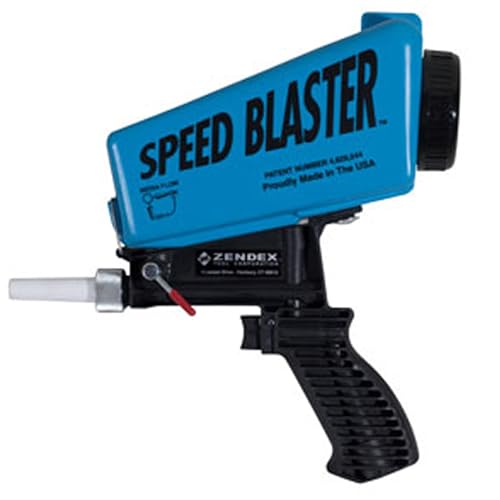
Zendex SpeedBlaster Portable Media Blaster
What We Like
- Extremely lightweight at 1.3 pounds.
- Gravity feed design for consistent media flow.
- Hardened steel mixing chamber is replaceable.
- American-made construction.
Trade-offs
- Small tank limits media capacity for big jobs.
- No cabinet containment for the blast media.
Weighing just over a pound, the SpeedBlaster is a tool you can hold all day without fatigue, making it the obvious choice for detailed work or overhead tasks where a heavy gun is a liability. Its gravity feed design and adjustable material valve give you direct control over the blast stream for cleaning small parts or stripping paint from intricate surfaces. This is the blaster you grab for quick touch-ups and precision work where a full cabinet or pot system is overkill.
The trade-off for that featherweight portability is a reliance on your air compressor’s capacity. It needs a solid 12 CFM at 125 PSI to run optimally, so check your compressor’s specs. It also lacks the contained workspace of a benchtop cabinet, so you’ll be working outdoors or in a very well-ventilated area with plenty of drop cloths. For sustained, large-scale stripping jobs, you’ll be refilling the small hopper constantly. For the targeted tasks it’s designed for, its speed and maneuverability are hard to beat.
Product photos
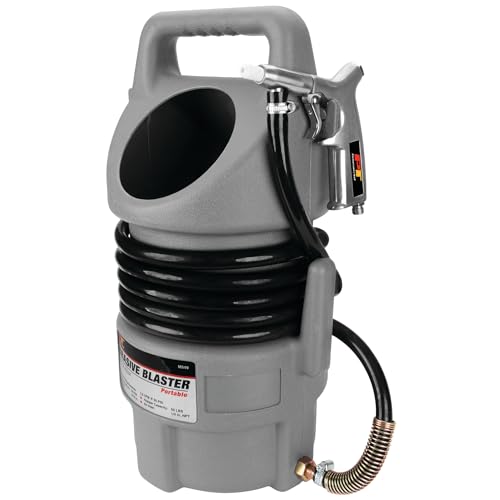
Performance Tool Gravity-Fed Abrasive Blaster
What We Like
- Extremely low 3.5 cfm air requirement
- Works with any abrasive media
- Gravity feed ensures constant material flow
- Lightweight and highly portable at 3.2 lb
Trade-offs
- Requires an external air compressor to function
A minimum air requirement of just 3.5 cfm means you can run this blaster with a relatively small, workshop-grade air compressor instead of a massive industrial unit. That opens up abrasive blasting for anyone with a standard garage setup, making it ideal for tackling rust and paint on vehicles or equipment without a huge upfront investment in air power. The gravity-fed design and compatibility with all common media types keep it simple and flexible for a variety of cleanup jobs.
Its low air demand comes with less raw blasting force than a pressurized tank system, such as the **Eastwood 200 Lbs Portable Abrasive Blaster**. You’re sacrificing some speed and aggression for accessibility. This is a capable tool for maintenance and restoration, but for stripping large, heavily-caked surfaces quickly, you’ll want to step up to a pressure-pot system with higher material capacity and more impact.
Black Bull 90 Pound Gravity Feed Blaster

What We Like
- High 90-pound abrasive capacity for extended runtime
- Heavy-duty all-steel construction for durability
- Includes protective hood and multiple ceramic nozzles
- Large 10-inch wheels for easier mobility
Trade-offs
- Requires an air compressor delivering at least 7 CFM
- At 36 inches tall, it needs significant vertical storage space
A 90-pound abrasive hopper is the main event here, letting you tackle large, stubborn jobs like a truck frame or a set of steel doors without constantly refilling. This all-steel gravity-fed blaster is built for the DIYer or small shop facing heavy corrosion removal, pairing serious material capacity with a simple, reliable design. The included protective hood and assortment of nozzles mean you can start blasting right out of the box, provided you have a suitably powerful air supply.
A gravity feed system powers this large capacity, and it can struggle with consistent media flow on vertical surfaces compared to a pressurized pot. You also need to ensure your compressor can keep up with its 7 CFM air demand. For big, flat projects where you can work at a downward angle, this Black Bull is a workhorse. For intricate work or overhead blasting, a benchtop cabinet might be a better fit.
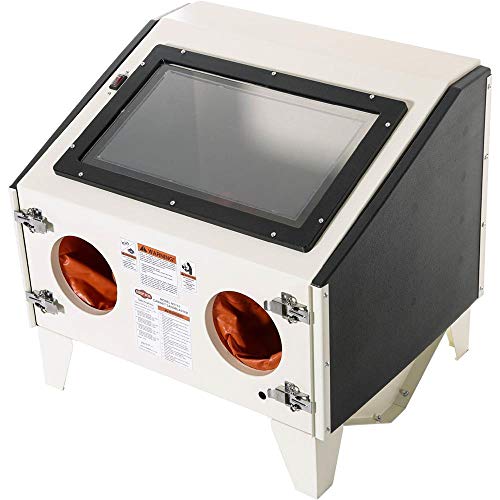
Shop Fox M1114 Benchtop Sandblaster
What We Like
- Holds 10 pounds of abrasive for longer sessions
- Two wide access doors ease part handling
- Large viewing window for clear visibility
Trade-offs
- Requires a 60 PSI minimum air compressor
- At 50 pounds, moving it requires some effort
- Smaller capacity than floor-standing cabinet models
A 10-pound abrasive capacity in a cabinet just over two feet wide makes this a serious tool for a small footprint. It suits the hobbyist or mechanic who needs to strip paint or clean parts regularly but doesn’t have the floor space for a full-size unit. The twin 16-inch doors let you maneuver larger, flat items inside, while the benchtop design keeps your primary work surface clear for other tasks. This is the cabinet you bolt down in a corner and use for years.
Its compact size means you’ll be refilling the media hopper more often than with a larger benchtop cabinet. You also need a compressor that can deliver a steady 60 PSI or more to make it effective, which rules out smaller pancake models. For blasting motorcycle parts, tool restoration, or small automotive components, however, its focused workspace and contained design are exactly what a crowded shop needs.
How We Evaluated Abrasive Blasters
Our evaluation focused on product specifications, manufacturer documentation, and patterns in owner feedback from multiple retailers and forums. We studied how different designs, like cabinets, pressure pots, and siphon guns, perform for common tasks like rust removal or paint stripping. Our top criteria were media capacity (which determines how long you can work), the required air compressor specs (critical for function), and build quality.
We also valued features like visibility windows, portability, and included nozzles. This is a research-based assessment; we did not physically test these units, so we rely on consistent reporting from owners and published product data.
What To Look For In Abrasive Blasters
Your compressor is the most important partner for any abrasive blaster. Choosing the right one depends on your projects, your available air supply, and whether you need a contained workspace.
Match the blaster’s CFM and PSI requirements to your air compressor. Consider if you need a contained cabinet or an open-air system. Media capacity directly affects your work time between refills.
Air Compressor Compatibility
Every blaster requires an air compressor, and this is the most common point of failure. Units list minimum requirements for air volume (CFM) and pressure (PSI). A small handheld gravity-feed blaster might run on a modest 3-5 CFM compressor, while a large pressure pot can demand 10 CFM or more.
Siphon systems, like the LE LEMATEC Sand Blaster Gun, need full air flow to create the suction that pulls media. An undersized compressor will lead to poor performance and frequent clogging. Our comprehensive sandblaster guide explains this critical pairing in more detail.
Type and Capacity
There are several types of sandblasters, each suited to different work. Cabinets, like our top pick, contain the mess and are ideal for small to medium parts. Pressure pots hold media in a pressurized tank and deliver high-volume, high-impact blasting for large, tough jobs.
Siphon or gravity-fed guns are portable and simpler, good for spot work. Capacity determines runtime. A 5-gallon pressure pot might need refilling every 20 minutes on a big project, while a 200-lb tank can run for hours.
For home shops, a DIY sandblaster with a 10-25 lb cabinet capacity is often a practical starting point.
Key Features and Build
Look for durability features like powder-coated steel or heavy-duty welded construction to resist rust and impact. Ceramic nozzles are standard because they resist wear and prevent sparking, a safety advantage over steel. Visibility is crucial in cabinets, so a large acrylic window, often with LED lighting, is a major benefit.
For media blasters used outdoors, portability features like wheels, handles, and longer hoses become important. An integrated vacuum system, like on the Eastwood Siphon Abrasive Blaster, helps control dust and can reclaim media. A quality pressure gauge and an oil-water separator in the air line help maintain consistent, dry airflow, preventing media clumps.
- Confirm the included nozzle types and sizes match your intended abrasive media.
- Check that access points (doors, hopper lids) are large enough for your typical parts.
- Ensure any required safety gear, like a deadman valve or protective hood, is included.
Always start by verifying your air compressor’s output meets or exceeds the blaster’s minimum CFM and PSI requirements.
Abrasive Blasters Compared
The table below compares the ten blasters side-by-side on key specifications to help you see the differences at a glance.
| Product | Working Pressure | Capacity | Air Consumption |
|---|---|---|---|
| VEVOR 25 Gallon Sandblasting Cabinet | 40-120 PSI | 25 gallon | 5cfm @ |
| VEVOR 10 Gallon Heavy-Duty Sand Blaster | 60-110 PSI | 10 gallons | 6-25 CFM |
| Eastwood 200 Lbs Portable Abrasive Blaster | N/A | 200 lbs | 10 CFM at 90 PSI |
| Auto Dynasty 5 Gallon Sand Blaster | 60-110 PSI | 5 Gallon | 6-25 CFM |
| Eastwood Siphon Abrasive Blaster with Vacuum | 60-115 PSI | 125 lbs abrasive | 6-22.5 CFM |
| LE LEMATEC Sand Blaster Gun Kit | 150 PSI | N/A | 4 CFM at 90 PSI |
| Zendex SpeedBlaster Portable Media Blaster | 60-125 PSI | N/A | 12 CFM-125 PSI |
| Performance Tool Gravity-Fed Abrasive Blaster | 90 psi | 50 lbs | 3.5 cfm at 50 psi |
| Black Bull 90 Pound Gravity Feed Blaster | 120 psi | 90 pounds | 7 CFM @ 80 psi |
| Shop Fox M1114 Benchtop Sandblaster | 60-100 PSI | 10-Pound | N/A |
Frequently Asked Questions
What is the best abrasive for blasting?
The best abrasive depends on your material and goal. For aggressive rust removal on thick steel, angular media like aluminum oxide or coal slag works fast. For cleaning aluminum or softer metals without embedding, use glass beads or walnut shells. For wood or delicate surfaces, softer materials like plastic media or even baking soda are necessary to avoid damage. Our research on types of blasting media offers a full breakdown.
Which sandblaster is the best?
The “best” depends entirely on your needs. For a home workshop regularly cleaning parts, a cabinet like the VEVOR 25 Gallon is best for its containment and visibility. For high-volume rust removal on large items, a pressure pot like the Eastwood 200 Lbs Portable Abrasive Blaster is superior. For those with a smaller compressor, the Performance Tool Gravity-Fed Abrasive Blaster offers the lowest air requirement.
Are Harbor Freight sand blasters any good?
Owner feedback suggests Harbor Freight blasters serve as functional entry-level tools for occasional DIY use. They are budget-friendly but may require closer attention to seals and fittings to prevent leaks. They are a viable option for a hobbyist starting out, but for frequent or professional use, investing in a more durable unit from a brand specializing in industrial sandblasting equipment is often advised for longevity.
How much psi is needed to sand blast?
Most abrasive blasting on metals like steel requires a minimum of 60 to 90 PSI for effective material removal. More delicate tasks, like stripping paint from wood or cleaning soft aluminum, can be done at lower pressures, around 30 to 60 PSI, to prevent surface damage. Always check your specific blaster’s minimum PSI rating, as it varies by design.
What is the difference between a siphon and pressure blaster?
A siphon blaster uses air flow to suck abrasive from a non-pressurized hopper into the blast stream. It’s simpler and often used in open-air guns or cabinets. A pressure blaster holds the abrasive in a sealed, pressurized tank, pushing it out with greater force and volume for faster cleaning of large, heavily scaled items. Pressure blasters are more efficient but also have higher air compressor demands and can be less portable than some portable sandblasters.
The Bottom Line
The VEVOR 25 Gallon Sandblasting Cabinet is our top recommendation for most home workshops, balancing a good-sized workspace with clean, contained operation. If your budget is tight, the Auto Dynasty 5 Gallon Sand Blaster offers core pressure-pot functionality at an affordable price. For tackling large, heavily rusted projects like auto frames, the high-volume Eastwood 200 Lbs Portable Abrasive Blaster is the tool for the job.
No matter which model catches your eye, always verify its air requirements against your compressor’s output first, this is the single most important step to a successful purchase.
