
10 Best Battery Powered Saws in 2026
This post contains affiliate links. As an Amazon Associate, we earn from qualifying purchases.
The DEWALT 20V MAX XR Circular Saw is our best overall battery-powered saw because of its deep cutting capacity and power for tough framing jobs. The Milwaukee M18 Fuel Circular Saw earns the Best For Storage & Dust award for its built-in storage and dust control. For ultra-lightweight pruning, the Seesii Mini Cordless Chainsaw is the winner.
Modern cordless saws deliver professional-grade power without a cord, but different projects demand different tools. This research-based guide compares ten top models across categories like circular, reciprocating, and chainsaws. We detail their strengths and best uses to help you find the right cordless saw for your work.
Top 10 Battery Powered Saws in the Market
Certain content that appears on this site comes from Amazon. This content is provided "as is" and is subject to change or removal at any time.
The Best Battery Powered Saws, Reviewed
DEWALT 20V MAX XR Circular Saw

What We Like
- Electric brake stops blade quickly for safety
- Powerful enough for tough framing applications
- Deep cutting capacity handles thick lumber
Trade-offs
- At 9.9 lb, it's heavy for overhead work.
- Tool only: requires a separate 20V MAX battery.
- Shoe coating creates more friction than some models.
DeWalt’s most powerful 20V circular saw delivers up to 1,700 MWO, so it won’t bog down when you’re sinking the blade into wet pressure-treated lumber or stacked plywood. This raw power, combined with a cut depth over two and a half inches, makes it a reliable choice for pros and serious DIYers. They need a cordless saw that can handle the bulk of a job site’s tasks without hunting for an outlet, and this one is built for users who prioritize cutting muscle above all else.
DEWALT’s 20V MAX XR circular saw is their most powerful in the 20V class, delivering up to 1,700 MWO to cut through tough applications. This power comes in a tool that weighs 9.9 pounds, placing it on the heavier side among cordless circular saws. Research mentions note that the saw’s shoe coating doesn’t glide as smoothly as some competitors, and the weight doesn’t help matters. However, the feedback also indicates plenty of users love this saw, and the handling tends to become something you learn to manage through muscle memory over time.
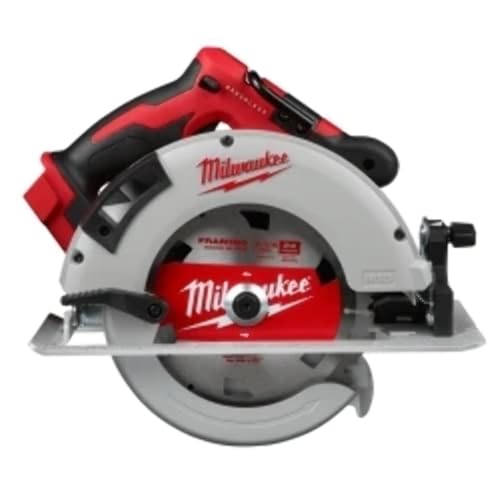
Milwaukee M18 Fuel Circular Saw
What We Like
- Integrated rafter hook for easy storage
- Dust port keeps work area cleaner
- Electric brake for added safety
Trade-offs
- Bare tool: requires separate battery and charger purchase
- Weighs 7.2 lb, heavier than some compact models
An integrated rafter hook and dust port solve two common jobsite headaches, allowing you to hang the saw safely within reach and manage sawdust more effectively. The magnesium upper and lower guards contribute to a durable build, and an electric brake stops the blade quickly after a cut. It’s built for the user who wants a saw that works hard and stows smart.
The trade-off is that this is a bare tool, so you’ll need to already own or buy into the Milwaukee M18 battery platform. Its 7.2-pound weight is part of a full-size 7-1/4-inch circular saw design. For straightforward storage solutions and dust management in a cordless format, this saw is a standout, but it demands commitment to the battery system.
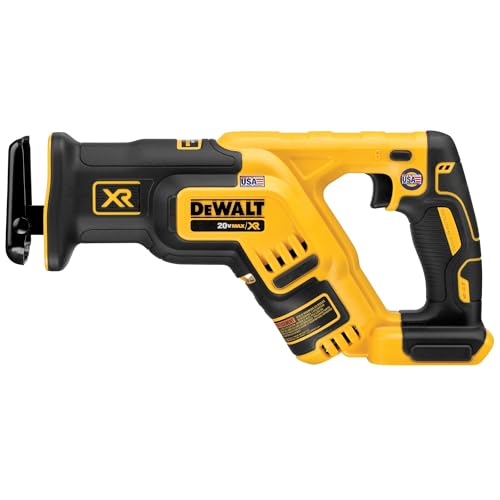
DEWALT 20V MAX XR Reciprocating Saw
What We Like
- Compact 14.5" length fits between studs
- Keyless 4-position blade clamp for quick changes
- Built-in LED light for dark work areas
- Brushless motor for extended runtime
Trade-offs
- Tool only: battery and charger sold separately
A 14.5-inch length and 5.4-pound weight make this saw a genuine tight-space specialist. It’s built to slip into wall cavities and under sinks where bulkier saws simply won’t fit. The brushless motor and variable speed trigger give you control for everything from PVC to nails, while the pivoting head and bright LED light help you get the cut right the first time. For a pro or serious DIYer who regularly works in cramped quarters, this tool’s compact design is its defining feature.
Its 1-1/8-inch stroke length delivers efficient and aggressive cutting, which means it powers through materials faster than models with a shorter stroke, like the 1-inch stroke on the RYOBI ONE+ reciprocating saw. You gain raw cutting speed without sacrificing the compact 14.5-inch length that fits easily between studs. This balance makes it a focused tool for demanding applications, from demolition to precise work in tight spots.
Seesii Mini Cordless Chainsaw

What We Like
- Comes fully assembled with two batteries and chains
- Includes safety lock, chain guard, and low-noise operation
- Rated to cut wood up to 15cm thick
Trade-offs
- 6-inch bar limits it to pruning and small-diameter wood
- Not designed for felling trees or cutting large logs
At only 2.2 pounds, the Seesii Mini Chainsaw is far lighter than bulky gasoline saws, making it suitable for garden pruning and branch trimming without causing arm fatigue. Its one-handed operation is designed to be accessible for users like DIY beginners or those with arthritis. The tool comes fully assembled, so you only need to insert a charged battery to start cutting.
The trade-off for that portability is capacity; its 6-inch bar is strictly for small-scale work. You won’t be dropping trees or processing firewood rounds with this. For those bigger jobs, you’d look to a tool like the Makita XCU11Z brushless chainsaw with its 14-inch bar. But for the specific niche of effortless, above-the-head pruning or quick campground cleanup, this mini chainsaw’s combination of complete kit and ultra-light heft is thoughtfully executed.
RYOBI ONE+ Cordless Reciprocating Saw

What We Like
- High 3,400 SPM cutting speed
- Lightweight 3.8-pound design
- Variable speed trigger control
- Uses RYOBI ONE+ 18V battery system
Trade-offs
- Battery and charger sold separately
A 3,400 SPM top speed provides fast cutting potential for demolition tasks. This variable speed tool requires a separate battery and charger, as it is sold without them. Its 18V ONE+ system compatibility means it shares batteries with other tools from that line.
Its length of 17.1 inches may limit maneuverability in tight spaces compared to more compact models. The Makita XRJ08Z reciprocating saw, for example, is listed at 14.4 inches long. This Ryobi tool weighs 3.8 pounds without a battery installed.
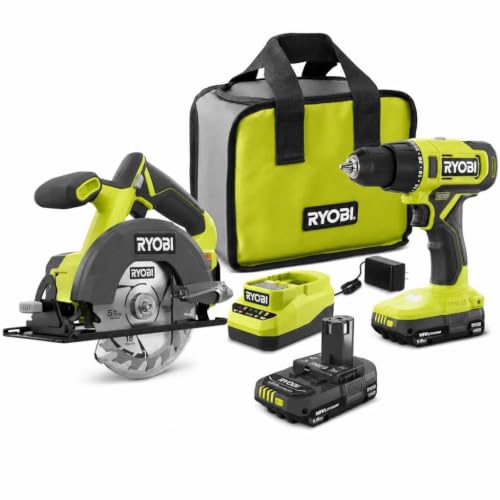
RYOBI ONE+ Combo Kit
What We Like
- Comes as a complete two-tool starter kit.
- Shares a common 18V battery platform.
- Compact storage footprint for a kit.
Trade-offs
- 1.5 Ah batteries have limited runtime for extended cutting.
- Kit format offers less specialization than buying individual tools.
This RYOBI kit bundles a drill and a circular saw on the same 18V battery platform, which is the smartest way for a new DIYer to build a tool collection from scratch. You get everything needed to start a project right out of the box, avoiding the common pitfall of buying a tool-only saw and having no power for it. The compact, 10-pound package is manageable for carrying to a jobsite, and the shared batteries mean you can work longer by swapping between tools. It’s a foundational setup designed to grow with you as you add more ONE+ tools over time.
The trade-off is in specialization. The included circular saw, while capable, is part of a general-purpose kit. For heavy, all-day framing, a dedicated tool like the DEWALT DCS590B is built for that singular task and is lighter as a bare tool. The 1.5 Ah batteries will power through a deck board or a sheet of plywood, but you’ll want higher-capacity batteries for continuous cutting. This kit solves the initial hurdle of getting started affordably, not for dominating a pro job site every day.
Product photos
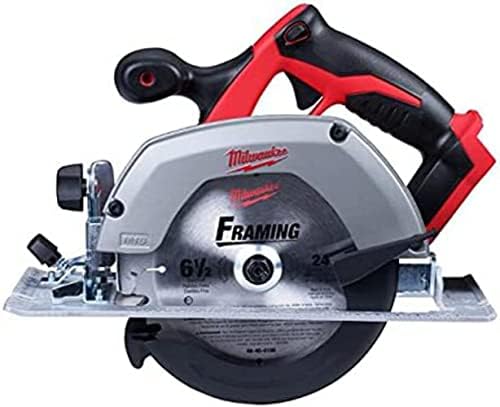
Milwaukee M18 6-1/2" Circular Saw
What We Like
- Soft-grip handle for comfortable, controlled cuts
- Magnesium guards offer superior durability
- Aircraft aluminum shoe ensures precise rip cuts
- Powerful 3,500 RPM motor cuts tough materials
Trade-offs
- Battery and charger sold separately
- Smaller 6-1/2 inch blade limits depth of cut versus 7-1/4 inch models
- At 7.3 lb, it's not the lightest compact saw available
The Milwaukee M18 6-1/2″ Circular Saw delivers 3,500 RPM, a speed that allows it to cut through tough materials like LVL headers. Its magnesium guards and aircraft aluminum shoe create a durable yet lightweight build for precise rip cuts. The tool is listed as ideal for plumbing, electrical, framing, finishing, and carpentry tasks.
A key benefit of this saw is its compact, 7.3-pound form, though it uses a 6-1/2 inch blade. That blade won’t match the maximum cut depth of a full-size 7-1/4 inch circular saw like the Milwaukee M18 Fuel. You’re choosing maneuverability over maximum capacity. It’s a tool-only offering, so you’ll need to already be invested in the M18 battery platform or factor that into your purchase. For most on-site cutting tasks, however, this saw provides more than enough muscle in a highly manageable package.
Makita XRJ08Z Compact Recipro Saw

What We Like
- Extremely light one-pound design for easy handling
- One-handed grip transmits force directly to the workpiece
- Brushless motor provides efficient 0-3,100 SPM cutting
- Loop-shaped handle guard increases tool rigidity
Trade-offs
- Tool only: requires separate Makita 18V LXT battery and charger
- 7/8-inch stroke length is shorter than many full-size recip saws
Weighing just one pound, this saw fundamentally changes overhead or one-handed cutting tasks, eliminating the fatigue of heavier tools. Its one-handed grip is engineered to put your force directly into the cut, while the loop-shaped handle guard adds crucial rigidity. That makes it the ideal choice for plumbers, electricians, or remodelers who need to make quick, controlled cuts in tight spaces or awkward positions where a full-size saw is simply too cumbersome.
This compact, one-handed saw weighs just one pound, making it exceptionally easy to maneuver in tight spaces like between wall studs or on a ladder. Its brushless motor delivers up to 3,100 strokes per minute, and the low-vibration design helps reduce user fatigue during extended use. While research mentions a similar Makita compact model had no difficulty cutting with a 2-Ah battery, it also noted the model lacked the power of most other saws in that test. For users already invested in the Makita 18V LXT platform who need a nimble cutting partner, this saw is a specialist tool.
Product photos
Makita XCU11Z Brushless Chainsaw

What We Like
- Brushless motor for high power and torque
- High chain speed powers through demanding cuts
- Compact rear handle for easy maneuverability
- No gas, oil mixing, or pull starts
Trade-offs
- Requires separate purchase of battery and charger
- Heavier than compact models like the Seesii Mini Chainsaw
- Performance depends heavily on using a high-Ah battery pack
A chain speed of 1,520 feet per minute gives this cordless saw the muscle to chew through thick wood without stalling. That high-torque performance, driven by a brushless motor, makes it a serious contender for jobs where you’d usually reach for a gas saw. It’s built for the user who needs cordless convenience but refuses to compromise on cutting aggression, especially for frequent pruning or light felling. The compact rear handle design keeps it surprisingly manageable in tight spots despite its power.
The Makita XCU11Z is a cordless rear-handle chainsaw built with a brushless motor, which research indicates generally provides more power and torque than brushed alternatives. Its 10-pound weight and compact body design contribute to stable maneuverability during ground-level cutting. For maximum runtime and efficient performance in demanding tasks, pairing it with a high-amp-hour battery is recommended, though that pack is sold separately.
Product photos
KARTOP Mini Circular Saw

What We Like
- Includes two high-capacity batteries for long runtime.
- High 7000 RPM speed for fast, smooth cuts.
- Lightweight, compact design reduces user fatigue.
- Comes with a full kit including blades and guide.
Trade-offs
- Maximum cut depth limits it to thinner materials.
- Smaller 5-1/2 inch blade restricts cutting capacity.
With a 7000 RPM brushless motor, this cordless saw makes quick work of wood and plastic, providing speed comparable to larger power circular saws. At 4.19 pounds, it’s light enough for extended overhead use or detailed trim work where a heavier tool would cause fatigue. The kit includes two 4.0Ah batteries and a charger, allowing continuous operation by swapping packs, which is ideal for all-day DIY tasks.
This saw’s compact size does limit its capacity. Its maximum cut depth is just over two inches, so it won’t handle a 2×4 on edge in a single pass. For framing or heavy rip cuts, you’d need to step up to a tool like the DEWALT 20V MAX XR with its larger blade. The KARTOP excels in its intended niche as a high-speed, lightweight secondary saw for precision and portability, not as a primary workhorse for dimensional lumber.
Product photos
How We Evaluated Battery Powered Saws
We compared manufacturer specifications and data from expert round-ups to assess fundamental performance. Our research focused on cutting capacity, power source, weight, and included features that impact real-world use. We also looked for common praise and concerns in owner feedback to identify patterns of reliability and ergonomics. This research-led evaluation identifies the best tools for specific jobs, but it cannot account for every personal preference in hand feel or battery ecosystem. For a deep dive into one category, see our guide to the best cordless circular saws.
Our primary criteria were cutting capacity, platform compatibility, and weight. Blade size and motor power determine what materials a saw can handle, from thick dimensional lumber to thin sheet goods. Since most of these tools work within a brand’s battery ecosystem, we noted whether each pick is a “tool only” or comes as a complete kit. Weight is a major factor for user fatigue, especially for overhead or prolonged use, so we compared the heft of compact versus full-size models.
We prioritized features that enhance safety, convenience, and job-site efficiency. An electric brake is a valuable safety feature that stops the blade quickly. Built-in elements like a rafter hook, dust port, or LED light add significant utility. This research helps you match a saw’s strengths to your specific tasks, whether that’s demolition, fine woodworking, or yard maintenance. For more on specialized saw types, explore our review of the best cordless reciprocating saws.
What To Look For In Battery Powered Saws
Choosing a battery-powered saw means balancing cutting power with cordless convenience. Your decision should be guided by the material you cut most often and the battery platform you already own, if any.
Key factors are cutting capacity, determined by blade or bar length; battery voltage and amp-hours for runtime; and total tool weight for maneuverability. Also consider if you need a complete starter kit or a bare tool for an existing battery collection.
Cutting Capacity & Saw Type
The type of cut you need determines the saw. A 7-1/4 inch circular saw is for framing and deep cuts in lumber, while a 6-1/2 inch model offers a lighter, more compact profile for general use. Reciprocating saws excel at demolition, pruning, and cutting in tight spaces, with stroke length affecting cutting speed. Mini circular saws and compact chainsaws are for detailed cuts, sheet goods, and light pruning, but they lack the depth for heavy work. For projects requiring angled cuts, a cordless miter saw might be a better fit.
Battery Platform & Power
Your saw is only as good as its battery. Voltage (like 18V or 20V MAX) relates to potential power, while amp-hour (Ah) rating indicates runtime. A higher Ah battery lasts longer between charges. If you already own cordless tools, sticking with that brand’s battery system is the most economical choice, as you can often buy the saw as a “tool only.” Starting fresh? A combo kit provides everything you need. Brushless motors are more efficient and durable than brushed motors, offering better performance and longer tool life.
Ergonomics & Features
Weight and balance are critical for control and reducing fatigue. A heavy saw like a 10-pound circular saw can be cumbersome for overhead work, while a one-pound reciprocating saw offers easy one-handed use. Look for features that match your workflow: an electric brake for safety, an integrated hook for storage, or a dust port for cleaner work. Comfort features like soft-grip handles and clear sight lines improve accuracy and reduce strain during long projects.
- Check if the shoe (base) glides smoothly on material to prevent binding.
- Verify the blade or chain is easy to change without extra tools.
- Consider where you’ll store it; some kits include a case.
- Look for a safety lock to prevent accidental starts.
- Ensure the trigger and controls are comfortable for your hand size.
The best saw fits your most common task, works with your existing batteries, and feels balanced in your hand.
Battery Powered Saws Compared
The following table compares key specifications for all ten battery-powered saws side-by-side.
| Product | Weight | Max Speed | Battery System |
|---|---|---|---|
| DEWALT 20V MAX XR Circular Saw | 9.9 pounds | 5,500 RPM | 20V MAX |
| Milwaukee M18 Fuel Circular Saw | 7.2 Pounds | N/A | M18 |
| DEWALT 20V MAX XR Reciprocating Saw | 5.4 pounds | 2,900 SPM | 20V MAX |
| Seesii Mini Cordless Chainsaw | 2.2 Pounds | 30 ft/s | 21V |
| RYOBI ONE+ Cordless Reciprocating Saw | 3.8 pounds | 3,400 SPM | RYOBI ONE+ 18V |
| RYOBI ONE+ Combo Kit | 10.0 Pounds | N/A | RYOBI ONE+ 18V |
| Milwaukee M18 6-1/2" Circular Saw | 7.3 pounds | 3,500 RPM | M18 |
| Makita XRJ08Z Compact Recipro Saw | 1.0 Pounds | 3,100 SPM | 18V LXT |
| Makita XCU11Z Brushless Chainsaw | 10.0 pounds | 1,520 FPM | 18V LXT |
| KARTOP Mini Circular Saw | 4.19 lbs | 7000 RPM | 21V |
Frequently Asked Questions
Who makes the best battery-powered saw?
The “best” saw depends entirely on your needs. For overall power and capacity in a circular saw, brands like DEWALT and Milwaukee are consistently top performers. For specialized tasks, other brands excel; Makita is renowned for compact, ergonomic designs, while RYOBI offers great value for DIYers. The decision starts with identifying your primary cutting application.
What is the highest rated battery operated chainsaw?
Among battery chainsaws, high ratings often go to models that balance power with convenience. The Makita XCU11Z Brushless Chainsaw is noted for its high-torque, brushless motor suitable for thick branches, offering gas-like power without the maintenance. For light pruning, the Seesii Mini Cordless Chainsaw is highly rated for its ultra-lightweight design and included battery kit.
What is the best electric saw for home use?
For general home use, a versatile circular saw or a compact reciprocating saw is ideal. The RYOBI ONE+ Combo Kit is an excellent starter set for DIYers, providing a saw and drill for basic projects. If you already have batteries, the Milwaukee M18 6-1/2″ Circular Saw offers a great balance of power and manageable size for common cuts in lumber and sheet goods.
Can a cordless saw be as powerful as a corded one?
Yes, modern flagship cordless saws with brushless motors and high-voltage batteries can match or even outperform many standard 15-amp corded models. The performance gap has closed significantly, making cordless tools viable for professional framing and demolition. The main consideration is runtime, which is managed by having spare, high-Ah batteries on hand.
Should I buy a saw kit or a bare tool?
Buy a kit if you are starting a new cordless tool collection or need a complete package with batteries and charger. Choose a bare tool if you already own compatible batteries from the same brand, as this is more affordable and avoids redundant chargers. Consider investing in battery adapters cautiously if you wish to use batteries across different brands, though compatibility and performance can vary.
The Bottom Line
For framers and serious renovators who need maximum cordless cutting power, the DEWALT 20V MAX XR Circular Saw is the best overall choice, thanks to its deep cutting capacity and powerful motor. If you’re a DIYer building your first tool set, start with the RYOBI ONE+ Combo Kit; for one-handed maneuverability in tight spaces, the Makita XRJ08Z Compact Recipro Saw is a strong option.
Your most important decision is matching the saw’s cutting capacity to your primary material. A saw that’s overpowered for your needs is heavy and expensive, while an underpowered one will struggle and frustrate. Choose the tool that makes your most common cut efficiently, and ensure it fits comfortably within your chosen battery ecosystem for the simplest, most cost-effective setup.
