
10 Best Reciprocating Saws For Cutting Trees in 2026
This post contains affiliate links. As an Amazon Associate, we earn from qualifying purchases.
Our top pick for most people is the RYOBI ONE+ HP Brushless Cordless Reciprocating Saw for its blend of power, manageable size, and platform convenience. For lighter overhead pruning, consider the RYOBI ONE+ One-Handed Pruning Reciprocating Saw, and for corded budget power, the BLACK+DECKER BES301K is a solid choice.
A reciprocating saw can tackle tree limbs and pruning faster than manual tools, but matching the tool to your specific needs is key. We built this guide by comparing specifications, studying manufacturer data, and analyzing patterns in expert reviews and owner feedback to help you choose confidently.
Top 10 Reciprocating Saws For Cutting Trees in the Market
Certain content that appears on this site comes from Amazon. This content is provided "as is" and is subject to change or removal at any time.
The Best Reciprocating Saws For Cutting Trees, Reviewed
RYOBI ONE+ HP Brushless Cordless Reciprocating Saw

What We Like
- Brushless motor provides 3,200 SPM for fast cutting.
- Compact 6.3 lb design improves maneuverability in tight spaces.
- Tool-free blade clamp speeds transitions between materials.
- Long 1-1/4 inch stroke increases cutting efficiency.
Trade-offs
- Tool only: requires a separate RYOBI ONE+ 18V battery purchase.
- 18.2-inch length may be less compact than dedicated pruning saws.
A brushless motor hitting 3,200 strokes per minute gives this saw the speed to zip through limbs and small trunks without bogging down. Its 1-1/4 inch stroke moves more material with each pass for quicker progress. That power, combined with a manageable 6.3-pound weight and a compact body, makes it a versatile choice for the homeowner who needs to clear fallen branches, prune overgrowth, and handle demolition or remodeling tasks around the yard and workshop. It’s the saw you grab when you need serious cutting power without being tethered to an outlet.
The trade-off is that you’re buying into a system. This is a bare tool, so you’ll need a RYOBI ONE+ battery and charger, which is a non-issue if you already own other tools from the platform. For pruning-specific work, its 18-inch length offers more leverage than a one-handed model like the RYOBI ONE+ Pruning Saw, but it’s also more tool than you might need for light trimming. It strikes a practical balance, offering pro-level cutting speed in a package designed for extended DIY use.
RYOBI ONE+ One-Handed Pruning Reciprocating Saw

What We Like
- One-handed design for versatile overhead work
- Removable branch hook reduces vibration
- Quick blade changes with release lever
- Compact 12-inch length for tight spaces
Trade-offs
- Tool only: requires separate battery purchase
- Limited to pruning small limbs up to 3 inches
A maximum cutting capacity of three inches defines this tool’s purpose. It’s built for the gardener or homeowner who needs to tidy up small branches and perform light pruning without wrestling a full-size saw. The one-handed ergonomic design and removable branch hook provide crucial control when working overhead or in awkward positions, making quick work of saplings and deadwood. This saw excels at turning a two-handed chore into a manageable one-handed task.
Designed specifically for pruning small limbs up to 3 inches, this Ryobi saw focuses on control rather than large-scale cutting. Its one-handed ergonomic design makes it easy to maneuver in tight spaces around shrubs and trees. Compared to larger models like the RYOBI ONE+ HP brushless saw, which is over 18 inches long, this 12-inch tool prioritizes precision for garden maintenance.
BLACK+DECKER BES301K Reciprocating Saws

What We Like
- Lightweight 6.4-pound design reduces fatigue
- Removable branch holder secures limbs
- Tool-free blade release for quick changes
- Overmold grip dampens vibration
Trade-offs
- Corded design limits range of movement
- Includes only one general-purpose blade
A 7 Amp motor provides power for a range of cuts on materials like wood, metal, and plastic. Its removable branch holder secures limbs to reduce shaking and vibration during use. The tool-free blade release allows for quick changes, and the overmold grip is designed for comfort.
As a corded tool, it requires proximity to an electrical outlet during operation. The design is lightweight for enhanced maneuverability, weighing 6.4 pounds. It includes one general-purpose blade to get started on various materials.
Product photos
Makita 18V LXT Cordless Reciprocating Saw

What We Like
- Variable speed trigger for precise control
- Compact, ergonomic design reduces operator fatigue
- Tool-less blade change boosts productivity
Trade-offs
- Bare tool only: requires separate battery purchase
- Weighs 8.3 lbs, heavier than some one-handed models
A stroke length of 1-1/4 inches and a motor that hits 2,800 strokes per minute let this saw power through thick branches without bogging down. Where it really stands out, though, is in its smooth operation. Owner feedback consistently highlights that it produces the least vibration of any saw tested, which means you can make dozens of cuts without the usual hand-numbing fatigue. That makes it a superb choice for anyone tackling prolonged tree trimming or demolition work where comfort is as important as cutting speed.
The trade-off for that smooth power is a tool-only package, so you’ll need to already own or buy into Makita’s 18V LXT battery system. It’s also a full-sized saw, so if your work involves a lot of overhead pruning in tight spots, a more compact option like the RYOBI ONE+ One-Handed Pruning Reciprocating Saw might be easier to handle. For sustained cutting where vibration is the enemy, however, this Makita’s performance is hard to beat.
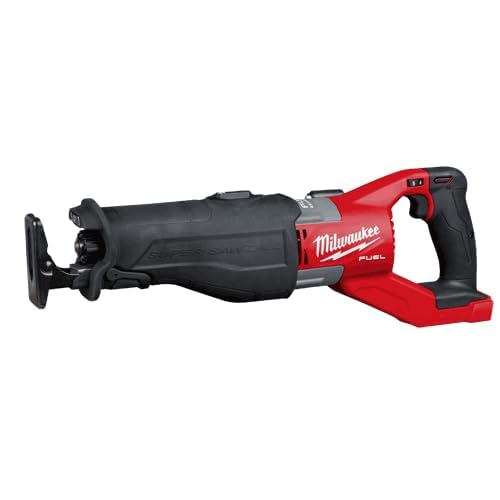
Milwaukee M18 FUEL Reciprocating Saw
What We Like
- Brushless motor rivals corded 15A power
- Adjustable shoe extends blade life
- Integrated rafter hook and LED light
Trade-offs
- Tool only: requires separate battery and charger purchase
- At 8.8 lb, it's heavier than many cordless rivals
The brushless motor is built to deliver power matching a 15-amp corded saw, providing consistent performance under load. Its stroke length of 1-1/4 inches removes more material with each stroke for efficient cutting. However, reviewers report it is designed for lighter-duty jobs and pruning trees, noting a compromise in raw power and slower cut times compared to larger demolition saws.
Weighing 8.8 pounds, this saw is heavier than several other models like the 6.3-pound RYOBI ONE+ HP. Its stroke length is a standard 1-1/4 inches, which reviewers found shorter than the 1½-inch stroke of larger reciprocating saws and resulted in slower cuts through thick lumber. For tasks requiring maximum maneuverability over power, such as pruning, a dedicated one-handed model like the RYOBI ONE+ One-Handed Pruning Reciprocating Saw is an alternative.
BLACK+DECKER 20V MAX Brushless Cordless Reciprocating Saw

What We Like
- Brushless motor for improved power efficiency.
- Tool-free blade changes for quick swaps.
- Built-in LED light for low-light work.
Trade-offs
- 1-inch stroke is shorter than many pro models.
- Only two speed settings; lacks fine speed control.
Up to 33 cuts on a single charge means you can tackle a significant limbing or pruning job without constantly stopping to swap batteries. That brushless motor isn’t just about claimed power; it’s about efficiency, squeezing every bit of work from each amp-hour. This saw is built for the homeowner or landscaper who needs to clear a fallen tree or cut up firewood without the hassle of a cord, valuing endurance over blistering speed. The included 12-inch wood blade is a thoughtful touch for getting through thicker branches.
The dual speed settings and variable speed trigger provide adaptable control for different materials, while the soft-grip handle aims to reduce user fatigue. A built-in LED light helps illuminate the work area, and the tool features a battery state-of-charge indicator. Tool-free blade changes and a metal gearcase are part of the construction.
Product photos
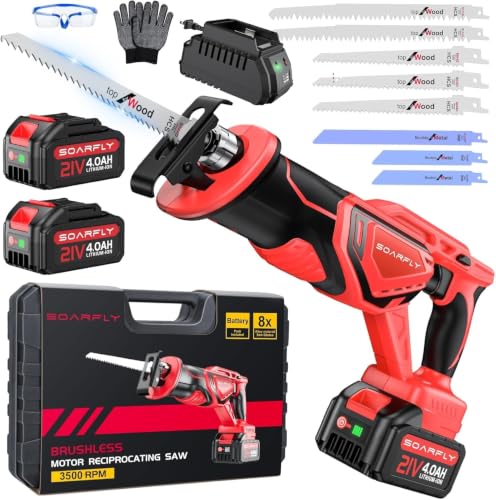
SOARFLY 21V Brushless Cordless Reciprocating Saw
What We Like
- Complete kit includes eight high-performance blades
- Two high-capacity batteries for extended runtime
- Brushless motor delivers a fast 3500 SPM
Trade-offs
- Weighs 9.4 pounds
- Maximum wood cut depth is 250mm
This kit’s biggest advantage is that it comes ready to work right out of the box. It includes two 21V batteries for up to 60 minutes of runtime and eight blades for wood and metal. For a homeowner or DIYer tackling a one-off yard cleanup, this all-in-one package removes the guesswork of sourcing accessories separately.
You do pay for that convenience with some added heft. At over nine pounds, it’s not the saw you’d want to hold overhead for hours while trimming high branches. For larger, more frequent tree work where weight and raw cutting capacity are paramount, a dedicated pro-grade tool like the Milwaukee M18 FUEL might be a better long-term investment, even though it’s sold bare.
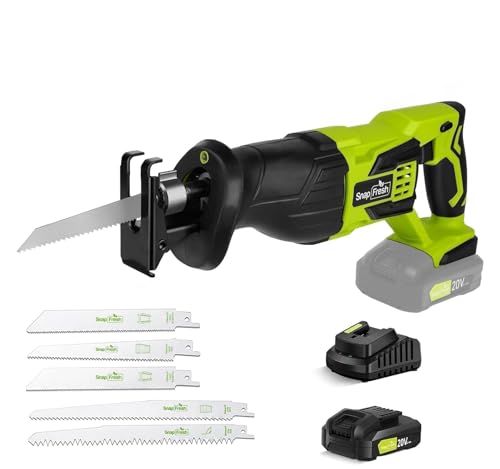
SnapFresh 20V Cordless Reciprocating Saw
What We Like
- Extremely lightweight for one-handed control.
- Compact 14.5-inch length fits in tight spaces.
- Tool-free blade changes for quick swaps.
Trade-offs
- Shorter 1-inch stroke may slow thicker cuts.
- 2.0Ah battery may need frequent swaps on big jobs.
- Less mass than full-size saws, reducing cutting momentum.
Weighing just 3.46 pounds, the SnapFresh is one of the lightest saws you’ll find, a huge advantage when you’re holding it overhead to prune branches or maneuvering in a cramped tree canopy. Its 14.5-inch compact body and one-handed design make it exceptionally easy to control for precision cuts on limbs up to a few inches thick. This is the saw you grab for quick cleanup jobs, detailed pruning, or any task where a full-size reciprocating saw would be cumbersome and tiring to manage aloft.
This cordless reciprocating saw is designed around a 1-inch stroke length, which delivers precise blade control but may require more passes on thicker materials than saws with longer strokes. Its 3.46-pound weight and 14.5-inch length make it easy to handle with one hand for overhead work or in tight spaces between studs. The variable speed trigger adjusts from 0 to 3000 strokes per minute for cutting wood, metal, plastic, or nail-embedded lumber.
Product photos
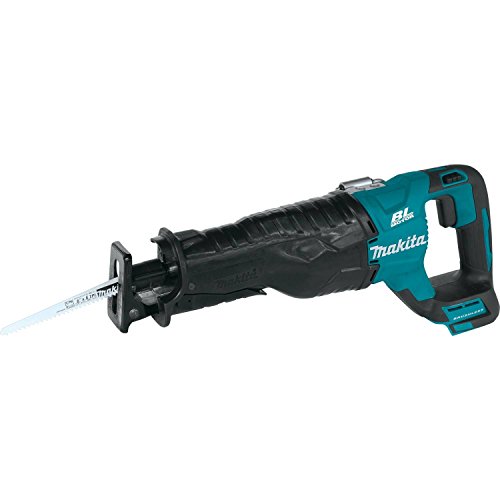
Makita XRJ05Z Brushless Reciprocating Saw
What We Like
- Long 1-1/4-inch stroke for faster cutting
- Brushless motor with variable speed trigger
- Minimal vibration reported by owners
- Compact, 17-1/4-inch ergonomic design
Trade-offs
- Tool only: battery and charger sold separately
- Weighs 8.2 lbs with battery, which can tire arms on overhead cuts
A stroke length of 1-1/4 inches moves more material with each pass, making it a strong choice for quickly dropping limbs and bucking logs. The brushless motor hits 3,000 strokes per minute, and owner feedback consistently highlights its exceptionally low vibration, so your hands stay steady through a full afternoon of cutting. This saw suits anyone who needs to clear a lot of wood efficiently and values control over raw speed.
That smooth, long-stroke performance does come with some bulk. At 8.2 pounds with a battery installed, it’s heavier than options like the RYOBI ONE+ HP, so it’s less ideal for prolonged overhead pruning. It’s a premium, tool-only purchase, meaning you’ll need Makita’s 18V LXT batteries on hand to make any cuts at all. For demanding tree work where speed and reduced fatigue are priorities, this Makita delivers where it counts.
Bclythax Brushless Reciprocating Saw
What We Like
- Brushless motor for cooler operation
- Includes eight versatile BIM blades
- Tool-free blade change system
- Safety lock prevents accidental starts
Trade-offs
- Maximum wood cut of 250mm limits larger limbs
- Ergonomic grip is standard, not specialized for pruning
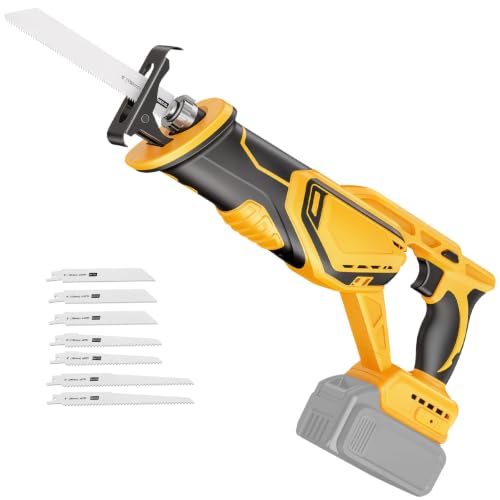
The ability to use DeWalt 20V Max batteries you might already own is the real hook here. For a DIYer with that battery platform looking to add a capable saw for occasional yard work, this Bclythax makes a lot of sense. It delivers a brushless motor and a solid 3500 SPM for cutting through branches and demolition scraps, and it throws in a useful set of blades to get you started. This is a straightforward, no-frills tool that gets the job done without a big upfront investment in a new battery ecosystem.
The Bclythax saw cuts wood up to 250mm, so it handles most common lumber and branch sizes found in DIY projects. For users who frequently prune high branches in dense foliage, the more compact RYOBI ONE+ One-Handed Pruning Reciprocating Saw is an alternative. This Bclythax model serves best as a versatile tool for general home maintenance and renovation work, especially for those already invested in the DeWalt 20V battery platform.
Product photos
How We Evaluated Reciprocating Saws For Cutting Trees
Our evaluation was research-based, focusing on manufacturer specifications, documented performance claims, and consistent patterns found across expert tool round-ups and verified owner reviews. We prioritized criteria most relevant to tree work: cutting power (from stroke length and motor type), weight and ergonomics for maneuverability among branches, and features like tool-free blade changes for switching between materials quickly.
We also considered platform compatibility for cordless models and the inclusion of useful accessories. A key limitation of a research-led evaluation is that we cannot personally verify runtime claims or long-term durability; we rely on aggregated owner experiences and professional assessments for those insights. Our goal was to identify which models are consistently noted for excelling at tasks like pruning, limbing, and cutting roots.
What To Look For In Reciprocating Saws For Cutting Trees
Not all reciprocating saws are ideal for the unique demands of cutting trees and pruning. The right tool balances raw cutting force with the control needed for overhead work and tight spaces.
Prioritize a brushless motor for efficiency, a stroke length over 1 inch for speed, and a weight you can comfortably manage overhead. Always pair your saw with proper reciprocating saw blades for clean, fast cuts when cutting trees.
Power Source & Stroke Length
Cordless saws offer unmatched freedom for moving around a yard or worksite, though they require an investment in a battery platform. Corded models provide consistent, unlimited power but restrict your range. For cutting efficiency, look for a stroke length of at least 1 inch. This measurement is the distance the blade travels back and forth. Longer strokes, like 1-1/4 inches, move more material per cycle for faster cuts through thick limbs. A brushless motor in a cordless reciprocating saw provides more power and longer runtime from a battery charge compared to brushed motors.
Weight & Ergonomics
Tree work often involves cutting at awkward angles or overhead. A lighter saw, especially one designed for one-handed use, significantly reduces fatigue during extended pruning sessions. Look for features like a removable branch hook to stabilize the saw against a limb, reducing vibration. An overmolded grip improves comfort and control. Remember, a heavier saw may offer more power for demolition, but can be cumbersome when you’re pruning trees from a ladder or in a dense canopy.
Blades & Compatibility
The saw is only as good as the blade. Using the correct blade is critical for both performance and safety. For green wood and pruning, you need a blade with low teeth-per-inch (TPI), typically between 4 and 6, to clear chips quickly and prevent binding. These blades for wood are designed to stay sharp and resist sap and moisture. A tool-free blade clamp is a major convenience, allowing you to swiftly switch from a pruning blade to a root-cutting blade or other materials.
- Check that the saw uses a standard shank blade (most do) for the widest blade selection. Ensure any included blades are suitable for pruning, or budget for purchasing separate landscaping blades. For tough jobs like cutting roots in dirt, a dedicated carbide-grit blade will last much longer than a standard bi-metal blade.
The single most important upgrade for any reciprocating saw is using a blade specifically designed for the material you’re cutting.
Reciprocating Saws For Cutting Trees Compared
The following table provides a quick comparison of key specifications across our top picks to help you see the differences at a glance.
| Product | Motor Type / Power | Stroke Length | Tool-Free Blade Change |
|---|---|---|---|
| RYOBI ONE+ HP Brushless Cordless Reciprocating Saw | Brushless | 1-1/4 inches | Yes |
| RYOBI ONE+ One-Handed Pruning Reciprocating Saw | N/A | N/A | Yes |
| BLACK+DECKER BES301K Reciprocating Saws | 7 Amp electric | N/A | Yes |
| Makita 18V LXT Cordless Reciprocating Saw | Brushless | 1-1/4 inches | Yes |
| Milwaukee M18 FUEL Reciprocating Saw | Brushless | 1-1/4 inches | N/A |
| BLACK+DECKER 20V MAX Brushless Cordless Reciprocating Saw | Brushless | 1 inch | Yes |
| SOARFLY 21V Brushless Cordless Reciprocating Saw | Brushless | N/A | N/A |
| SnapFresh 20V Cordless Reciprocating Saw | N/A | 1 inch | Yes |
| Makita XRJ05Z Brushless Reciprocating Saw | Brushless | 1-1/4 inches | Yes |
| Bclythax Brushless Reciprocating Saw | Brushless | 28mm | Yes |
Frequently Asked Questions
What is the best reciprocating saw for cutting tree branches?
For general-purpose branch cutting, our best overall, the RYOBI ONE+ HP Brushless Cordless Reciprocating Saw, offers a great balance of power and control. For dedicated, lightweight pruning of smaller limbs, the RYOBI ONE+ One-Handed Pruning Reciprocating Saw is specifically designed for that task, offering easy overhead maneuverability.
Can I use a reciprocating saw to cut a tree?
Yes, a reciprocating saw is excellent for cutting down smaller trees, pruning large limbs, and removing branches. It’s quieter, lighter, and often safer for DIYers than a chainsaw for trees up to medium size. Always use a sharp, low-TPI pruning blade and secure the tree limb to prevent pinching the blade.
What is the best manual saw for cutting trees?
While manual bow saws or pruning saws are quiet and require no power, they demand significant physical effort, especially for thicker wood. For most homeowners, a powered reciprocating saw is a far more efficient and less fatiguing option for all but the smallest, most delicate pruning cuts.
What is the best power tool for cutting tree branches?
For cutting branches, the best power tool depends on the job size. A reciprocating saw is incredibly versatile, handling everything from small pruning to limb removal and root cutting. For very large tree felling or cutting massive trunks, a chainsaw is the proper tool. For most yard maintenance, a good reciprocating saw is the more practical and multi-use choice.
How do I choose between a corded and cordless reciprocating saw for yard work?
Choose a cordless model if you value freedom of movement around your property and don’t want to manage extension cords. Choose a corded saw if you typically work near an outlet, want the lowest upfront cost, and need unlimited runtime for long, continuous cutting sessions. For most tree work, the cordless convenience is worth the investment.
The Bottom Line
The RYOBI ONE+ HP Brushless Cordless Reciprocating Saw is our best overall pick for homeowners and DIYers already in the RYOBI ecosystem who need a capable, all-around tool for pruning and light tree work. If your primary need is budget-friendly corded power or lightweight one-handed pruning, look to the BLACK+DECKER BES301K or the RYOBI One-Handed Pruner, respectively.
For professionals or those tackling heavy-duty cutting, the Milwaukee M18 FUEL offers corded-level power in a cordless package. No matter which saw you choose, remember that pairing it with the right blade for the job is the most critical factor for successful, efficient cutting.
