
6 Best Sawzall Blades For Aluminum in 2026
This post contains affiliate links. As an Amazon Associate, we earn from qualifying purchases.
Our best overall pick for cutting aluminum is the Lenox Metalwolf Wave Edge Reciprocating Saw Blade. Its thin profile and patented T2 technology reduce cutting force for faster, less strenuous work. For sheet metal, consider the Bosch RM618, while the THYENTUL set offers excellent value for high-volume users.
Aluminum’s softness can quickly gum up the wrong blade, leading to heat buildup and breakage. This guide focuses on blades that match the material’s thickness and the demands of your project. We built this list by analyzing manufacturer specifications and patterns in owner feedback to help you cut cleaner and longer.
Top 6 Sawzall Blades For Aluminum in the Market
Certain content that appears on this site comes from Amazon. This content is provided "as is" and is subject to change or removal at any time.
The Best Sawzall Blades For Aluminum, Reviewed
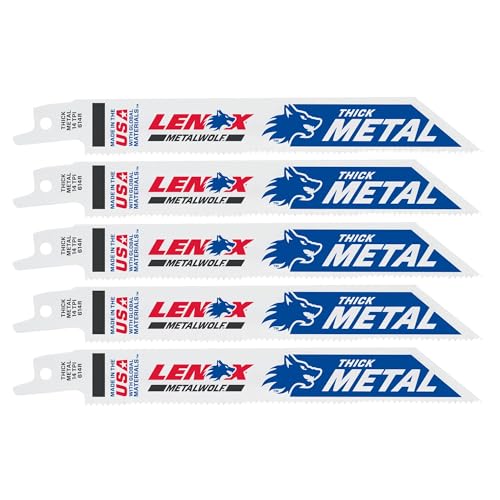
Lenox Metalwolf Wave Edge Reciprocating Saw Blades
What We Like
- Patented T2 tech for reduced cutting force
- Thin 0.035-inch profile for quick metal cuts
- Spring steel backing reduces blade breaks
Trade-offs
- 6-inch length limits reach in deep cuts
- 14 TPI may be coarse for very thin aluminum sheet
- Blade design is specialized for metal, not wood
The key feature is the revolutionary wave edge tooth form. Its three-stage tooth formation is designed to extend cutting life significantly, so you’ll burn through fewer blades on a big aluminum project like dismantling an old patio frame. This blade’s thin, 0.035-inch design and aggressive tooth geometry are built for fast, reliable cuts in a range of metals. That makes it a logical primary choice for anyone whose work frequently involves aluminum, steel, or pipe, suiting the tradesperson or serious DIYer who values blade longevity and consistent performance.
The trade-off is in reach. At six inches long, this blade cannot tackle the deep plunge cuts that a nine-inch blade like the THYENTUL set can. For cutting a single layer of material like pipe or conduit, the design is focused on speed. If work involves thicker stock or requires cutting from one side of a wide beam, the shorter length becomes a limitation. For many metal cutting tasks, however, the engineered durability and efficient chip removal provide an advantage.
Product photos
THYENTUL M42 Cobalt Bi-Metal Sawzall Blade Set

What We Like
- Large 25-piece set provides ample supply.
- M42 cobalt teeth enhance wear and heat resistance.
- 9-inch length handles thicker material profiles.
- Universal shank fits all major sawzall brands.
Trade-offs
- Optimized for 1/16-5/16 inch metal, limiting for thinner gauges.
- 25-pack size is excessive for a one-time project.
This set’s 25-pack count is its defining feature, turning blade replacement from a frequent errand into a non-issue for a busy shop. The M42 cobalt teeth and specialized heat treatment promise to fight off the dulling heat of cutting metal, which is exactly what you need for repetitive cuts in vehicle bodies or pipes. It’s a logical fit for a contractor or serious DIYer who burns through blades and values a deep bench of consumables over premium single-blade performance.
These blades are specialized for medium-thick metal. The 14/18 TPI teeth are effective for aluminum structural shapes but likely to grab and chatter on thinner sheet stock. For delicate aluminum work, a blade like the Bosch RM924 with its 24 TPI would be a smoother operator. The Thyentul set is about bulk efficiency for general metal demolition, not finesse cuts on thin gauge material.
Product photos
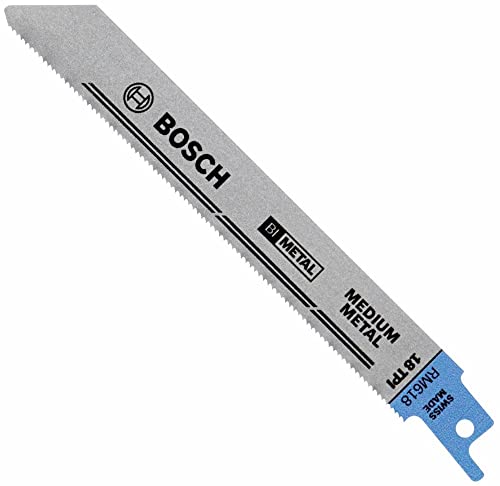
Bosch RM618 Metal Cutting Reciprocating Saw Blades
What We Like
- Bi-metal construction for durable cutting edge
- 18 TPI with 0° hook angle for clean sheet metal cuts
- Flexible thin-kerf body for easier starts, less breakage
- Pair-setting tooth geometry for fast cuts and long life
Trade-offs
- 6-inch length limits depth on thicker material
- Specifically designed for 10-16 gauge sheet metal
- Not suited for structural aluminum over 1/4 inch thick
Engineered for clean cuts in sheet metal, the 18-tooth blade with a zero-degree hook angle prevents grabbing or chattering during use. This design makes it suitable for materials like aluminum ducting or flashing in the 10 to 16 gauge range. Its flexible 0.035-inch body helps with accurate starts and reduces breakage while following a line, minimizing the burr and cleanup compared to hotter cutting methods.
One limitation is its reach. At just six inches long, you won’t be slicing through thick aluminum block or large structural members. For those heavier, solid cuts, you’d look at a longer, more aggressive blade. For confining your work to sheet goods, the specialized tooth geometry and thin kerf of the Bosch blade mean less heat and less clogging. The finish often needs little more than a quick file, and one owner noted pairing it with a little wax makes it a fast and effective solution for thin aluminum.
Product photos
IRWIN Tools Metal Cutting Reciprocating Saw Blade

What We Like
- Electronic beam weld strengthens teeth for longevity
- 8% cobalt alloy keeps teeth sharp through tough cuts
- Bi-metal construction adds durability for faster cutting
- Cuts a wide range of metals including non-ferrous
Trade-offs
- 6-inch length limits reach in confined or deep cuts
- Maximum cut capacity is 1/2-inch thick material
The 8% cobalt in the bi-metal teeth is the key here, letting this blade hold an edge through aluminum, stainless, and conduit without constantly swapping blades. That makes it a true workhorse for jobs where you’re cutting a mix of metals, like demolition or HVAC work. It’s built for the user who needs one reliable blade to handle whatever the next layer of material throws at them, from thin sheet metal up to half-inch plate.
A 6-inch blade length provides good control for detailed work on thinner materials, though it may not reach as far into confined spaces as longer options. Compared to the 9-inch THYENTUL or Bosch RM924 blades, this IRWIN tool has a shorter reach. For general fabrication across a variety of metals, its size offers a practical balance of maneuverability and cutting capacity.
Product photos
Bosch RM924 High-TPI Metal Reciprocating Saw Blade
What We Like
- 24 TPI design optimized for clean sheet metal cuts.
- Thin 0.035-inch blade body for accurate starts.
- Pair-setting tooth geometry promotes fast cutting and long life.
- Bi-metal construction delivers a durable, tough cutting edge.
Trade-offs
- Specific 24 TPI design is overkill for thicker aluminum stock.
- 0 hook angle prioritizes control over aggressive feed rate.
The 24-teeth-per-inch design is the key here. It’s a density specifically listed for 17 to 26 gauge sheet metal, which translates to clean, controlled cuts in thin aluminum without tearing or grabbing. This blade is for the fabricator or installer who regularly works with ductwork, flashing, or thin-wall tubing, where a smooth finish matters more than brute speed. The thin 0.035-inch body and optimized 3/4-inch height help you follow a line accurately, a real advantage on delicate material.
This focus means the blade has a specific role. The high tooth count is intended for sheet metal, so it would cut slowly in thicker material or mixed demolition work. According to its specifications, the Bosch RM924 is a precision tool for sheet goods.
Product photos
Zelphvt 6-Inch 14TPI Sawzall Blades
What We Like
- Five-blade set provides immediate spares
- 14 TPI aggressive teeth cut aluminum quickly
- Durable alloy steel for heat and wear resistance
- Universal shank design for easy compatibility
Trade-offs
- Six-inch length limits reach in thick material
- Set of five is smaller than bulk 25-pack options
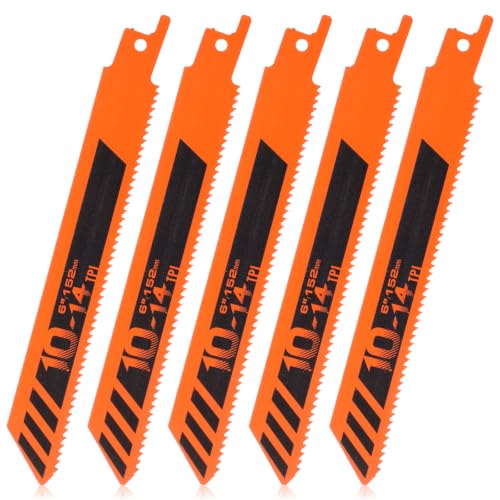
A five-pack of six-inch blades delivers a ready supply of spares right in the toolbox, which is perfect for a weekend warrior tackling a series of smaller aluminum cuts. The 14-tooth-per-inch count strikes a solid balance between speed and a relatively clean cut in sheet metal and pipe. This set is built for the user who values convenience and durability in a compact, no-fuss package, avoiding the hassle of reordering mid-project.
This five-blade set covers a range of common materials, from sheet wood and plastic to aluminum and metal pipes, making it a practical choice for general DIY tasks. Its six-inch length handles thinner stock well, though larger structural members may require multiple passes. The universal design fits most reciprocating saws for easy changes without compatibility concerns.
Product photos
How We Evaluated Sawzall Blades For Aluminum
Our evaluation is based on manufacturer specifications, documented blade construction, and consistent themes from expert round-ups and owner reviews. We prioritized three key criteria for this application: tooth design for clean cuts without clogging, blade construction for durability, and overall value based on set size and material-specific optimization. This research-based approach can identify well-regarded models, but it cannot replicate the feel of cutting different aluminum alloys or predict a blade’s exact lifespan in your hands.
What To Look For In Sawzall Blades For Aluminum
Choosing the right blade prevents clogging, reduces heat, and delivers a cleaner cut. The wrong blade will load up with soft aluminum, become dull, and can even snap under the increased friction.
Key factors are Teeth Per Inch (TPI) for the material thickness, blade length for your project’s depth, and construction material for heat resistance and longevity. A lower TPI (8-14) is often better for aluminum to prevent clogging.
Teeth Per Inch (TPI) And Hook Angle
For aluminum, a lower TPI is generally recommended to allow for better chip evacuation. Blades in the 8-14 TPI range, like our best overall Lenox Metalwolf (14 TPI), are aggressive and clear material quickly, making them suitable for pipe, conduit, and thicker stock. For thin sheet metal, a higher TPI (18-24) with a low or zero-degree hook angle, like on the Bosch RM618 (18 TPI), provides more control and a cleaner, smoother cut.
The hook angle influences how aggressively the blade pulls itself into the material; a lower angle is preferred for sheet work to prevent grabbing. For a deeper dive on cutting thick metal, the principles of TPI and tooth design remain crucial.
Blade Length And Construction
Blade length determines your maximum cutting depth. A 6-inch blade, common in many metal-cutting sets, is sufficient for sheet metal and most pipes but may limit reach in deep structural cuts. A 9-inch blade offers greater capacity.
Construction is vital for durability; bi-metal blades, which combine a flexible steel body with a hard tooth edge, are the standard for metal cutting. Some feature cobalt alloy teeth, like the IRWIN Tools blade, for enhanced heat resistance. For cutting tougher alloys, you might explore our resource on Sawzall blades for stainless steel.
The body thickness also matters, a thinner 0.035-inch profile, as on the Lenox Metalwolf, reduces cutting force and can start easier in sheet metal.
Set Size & Specialization
Consider how many blades you realistically need and if your project involves only aluminum or mixed metals. A large 25-piece value pack, like the THYENTUL set, is cost-effective for frequent use or demolition where blades wear quickly. A compact 5-blade set is practical for occasional jobs.
Specialized blades, such as the Bosch RM924 for thin aluminum, are optimized for a specific gauge and will outperform a general-purpose blade on that task but may be less versatile. If your work spans different materials, a guide to the types of Sawzall blades can help clarify your options.
- Match the TPI to your aluminum’s thickness: lower (8-14) for stock, higher (18-24) for sheet.
- Ensure the blade shank is compatible with your saw (most are universal).
- Apply cutting wax to reduce friction and prevent aluminum from welding to the teeth.
A blade that cuts cleanly without binding will last longer and make your work safer and easier.
Sawzall Blades For Aluminum Compared
The table below compares the key specifications of our top picks to help you see the differences at a glance.
| Product | Length | Teeth Per Inch (TPI) | Material / Construction | Pack Quantity |
|---|---|---|---|---|
| Lenox Metalwolf Wave Edge Reciprocating Saw Blades | 6 inches | 14 TPI | High-speed steel edge | 5 blades |
| THYENTUL M42 Cobalt Bi-Metal Sawzall Blade Set | 9 inches | 14/18 TPI | M42 metal with 8% cobalt | 25-pack |
| Bosch RM618 Metal Cutting Reciprocating Saw Blades | 6 inches | 18 | Bi-metal construction | 5 Pack |
| IRWIN Tools Metal Cutting Reciprocating Saw Blade | 6-Inch | 18 TPI | Bi-metal with 8% cobalt | N/A |
| Bosch RM924 High-TPI Metal Reciprocating Saw Blade | 9 inches | 24 | Bi-metal construction | 5 pc. |
| Zelphvt 6-Inch 14TPI Sawzall Blades | 6 inches | 14 TPI | Premium alloy steel | 5 blades |
Frequently Asked Questions
What is the best sawzall blade for cutting aluminum?
For most aluminum cutting tasks involving pipe, conduit, or thicker stock, our best overall pick, the Lenox Metalwolf Wave Edge blade, is an excellent choice. Its 14 TPI and thin 0.035-inch profile are designed for fast metal cutting with reduced force. For dedicated sheet metal work, the Bosch RM618 with its 18 TPI and zero-degree hook angle provides cleaner, more controlled cuts.
What type of blade is best for cutting aluminum?
A bi-metal blade with a lower Teeth Per Inch (TPI) count, typically between 8 and 14, is often recommended for aluminum. This allows larger gullets between teeth to clear the soft, gummy chips and prevent clogging. Blades specifically marketed for non-ferrous or aluminum cutting, which may have unique tooth geometries, are ideal. You can learn more about effective reciprocating saw techniques for various metals.
Can I use a wood-cutting blade to cut aluminum?
No, you should not use a wood-cutting blade to cut aluminum. Wood blades have a different tooth design and rake angle meant for fibrous material and will clog instantly with aluminum. This creates extreme friction, heats the blade, and can lead to breakage or damage to your saw. Always use a blade designed for metal.
What is the difference between TPI for aluminum and steel?
For steel, you generally use a higher TPI for a given thickness compared to aluminum. Aluminum is softer and produces larger, stringy chips that need room to escape, so a lower TPI (like 10-14) is better. Steel chips are smaller and harder, so a higher TPI (like 18-24 for sheet steel) provides a smoother cut. Using a steel blade on aluminum often leads to premature clogging.
How do I prevent my blade from getting clogged with aluminum?
To prevent clogging, use a blade with an appropriate low TPI and apply a lubricant like cutting wax or a dedicated cutting fluid to the blade before and during the cut. This reduces friction and helps keep the teeth clean. Also, avoid forcing the blade; let the tool’s speed and the blade’s design do the work. Proper technique is part of learning how to cut metal with a reciprocating saw effectively.
The Bottom Line
For a durable, fast-cutting blade that handles a range of aluminum thicknesses from pipe to structural shapes, the Lenox Metalwolf Wave Edge is our best overall recommendation. If your budget is tight and you go through blades often, the THYENTUL 25-piece set offers tremendous value.
For specialized tasks, turn to the Bosch RM618 for clean sheet metal work or the IRWIN Tools blade for jobs with unknown, mixed metals. Ultimately, matching the blade’s TPI and construction to your specific aluminum thickness is the single most important step for a successful, frustration-free cut.
