
6 Best Table Saw Dust Collection in 2026
This post contains affiliate links. As an Amazon Associate, we earn from qualifying purchases.
Our best overall table saw dust collection system is the PSI Woodworking TSGUARD Table Saw Dust Guard for its ability to capture dust directly at the blade. For high-capacity overarm collection, the SawStop TSG-FDC is a top choice, while the Milescraft 1500 DustCutter offers a budget-friendly solution for contractor saws.
A clean shop protects your lungs and your projects, but table saws are notoriously messy. Even with a lower port connected, airborne dust from the top of the blade can coat your shop. This guide focuses on add-ons that tackle that specific challenge.
We researched specifications, manufacturer data, and owner feedback to identify six systems that fit different saw types and shop setups, helping you find an effective match.
Top 6 Table Saw Dust Collection Systems in the Market

Certain content that appears on this site comes from Amazon. This content is provided "as is" and is subject to change or removal at any time.
The Best Table Saw Dust Collection Systems, Reviewed
PSI Woodworking TSGUARD Table Saw Dust Guard

What We Like
- Captures dust directly at the blade with collection hood
- Allows blade tilts for 45-degree bevel cuts
- Swing-away design clears space when not needed
Trade-offs
- Designed for 4-inch ducting, not smaller shop vacs
- Clear hood is a separate purchase if damaged
An 83-inch boom reach means you can position this guard over virtually any cabinet saw or sliding table, pulling sawdust from the source before it fills your shop air. For anyone running a serious dust collector, its 4-inch port and dedicated hood make it the most effective overarm solution, neatly containing the plume from a full 16-inch blade even on deep bevel cuts. It’s built for the woodworker whose priority is a clean shop, not just a clean floor.
The trade-off is in the installation. If your shop has a fixed layout, that’s a worthwhile one-time effort. For contractors needing a portable solution, the lightweight Milescraft 1500 DustCutter is the obvious alternative, sacrificing some capture efficiency for quick pack-up.
SawStop TSG-FDC Floating Overarm Dust Collection

What We Like
- Large 4-inch outer dust port for high-volume collection
- Floating, non-attached design allows for jig and dado use
- Substantial 52-pound build for stability during operation
Trade-offs
- At 79 inches long, it requires significant shop floor space
- Weighs 52 pounds, making it cumbersome to reposition frequently
A 4-inch outer dust port and a floating, non-attached guard are the core of this system. It’s built for shops with a serious dust collector who need to capture airborne particles from above a SawStop cabinet saw without the guard getting in the way of dados or jigs. The substantial 52-pound frame and wide adjustment range mean it stays put and adapts to your material, making it a solution for those tired of removing a blade-guard-mounted collector for every non-through cut.
Its size makes it a permanent installation, stretching 79 inches in length. While it fits all three SawStop cast iron saws, the portable saws require a different dust collection setup according to the manufacturer. A more compact SawStop accessory like the CNS-DCP panel exists, but it serves a different function for contractor saws and lacks an overhead collection hood.
Milescraft 1500 DustCutter Collection System
What We Like
- Reduces over 90% of airborne sawdust for cleaner air
- Lightweight and compact at just 1.1 pounds
- Offers three flexible collection modes
- Bag can be emptied without removing the unit
Trade-offs
- Requires user-supplied vacuum for full vacuum mode operation
Reducing table saw dust by over 90% directly at the source dramatically improves shop air quality for those working without a dedicated dust collection system. The Milescraft 1500 DustCutter provides a simple, effective solution to capture dust where it’s created, which helps protect your shop, your tools, and the air you breathe while woodworking. This system is designed to fit most table saws with a 23-inch width and 19-inch depth.
Its compatibility is limited to table saws with a 23-inch by 19-inch footprint, so it won’t fit models of other sizes. For compatible saws, it offers collector, funnel, and optional vacuum connection modes to help keep the air clean. Unlike larger overhead systems such as the SawStop TSG-FDC, this compact unit focuses on direct port capture.
POWERTEC 70131 Table Saw Dust Hood
What We Like
- Lightweight yet durable ABS plastic construction
- Creates a great seal for efficient dust collection
- Secures in multiple positions under or behind saw
- Fits a wide variety of popular table saw brands
Trade-offs
- Port tapers from 3-7/8", may not fit all hoses perfectly
- Requires user to have a 4" dust collection system
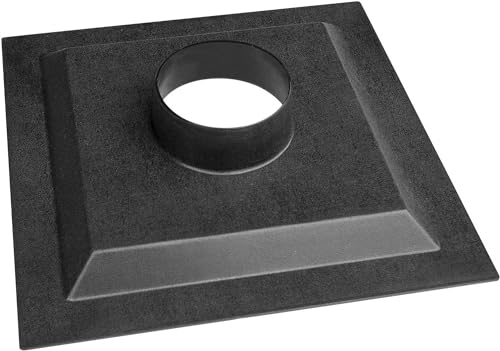
Its nominal 4-inch port accepts standard hoses, making this dust hood a direct, compatible upgrade for common shop vacuums and dust collectors. The design is meant to create a seal underneath or behind a table saw, which the brand says helps collect dust and debris to improve workshop air quality. Lightweight ABS plastic makes it easy to handle and install, and its universal fit aims to work with popular models like Delta and Craftsman.
This hood is designed for one specific task: connecting to a saw’s lower port to collect dust from the internal chamber. It does not capture the cloud of particles that comes off the top of the workpiece during a cut. For capturing that airborne dust, a different type of product, like an overarm guard system such as the SawStop TSG-FDC, would be required. The Powertec 70131 serves as a targeted component for a dust collection system, not a comprehensive air filtration solution.
Product photos
SawStop CNS-DCP Contractor Saw Dust Panel
What We Like
- Dual ports fit most dust collection systems
- Easy-to-use clamps for internal tube adjustment
- Required for SawStop overarm dust collection
- Durable construction for shop use
Trade-offs
- Specific to SawStop Contractor Saws only
- Functions as a base panel, not a full capture hood
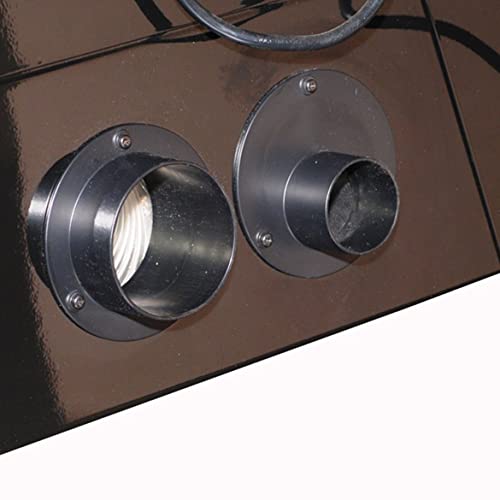
Dual 2.5-inch and 4-inch ports let you connect directly to a shop vac or a full-size dust collector without needing an adapter, which simplifies your setup. According to the manufacturer, this panel is required for installing SawStop’s Overarm Dust Collection. It is designed to collect the chips and dust that fall below the saw’s table.
Keep in mind this panel only addresses dust below the table. To capture the plume from the blade, you must add an overarm collector like the SawStop TSG-FDC. Source material notes SawStop saws deliver incredible dust collection, especially when equipped with a collection hood over the blade. Compared to a universal bag like the CCTIVED, this is a permanent, integrated part for a SawStop saw.
CCTIVED Universal Table Saw Dust Bag

What We Like
- Wide compatibility with major saw brands.
- Spring clamp makes attachment quick and tool-free.
- Reusable, zippered fabric bag is easy to empty.
- Collects debris to reduce slip hazards and dust inhalation.
Trade-offs
- Collects up to 70% of dust, leaving significant cleanup.
Its universal spring clamp fits a 2.5-inch dust port, which means this single bag can swap between a Bosch, DeWalt, Ryobi, or Craftsman saw in your shop. For the woodworker who uses multiple contractor-style saws or needs a simple, reusable catch-all, this wide compatibility is the main appeal. The zippered bottom makes emptying straightforward, and the fabric construction keeps it lightweight and easy to store when not in use.
This dust bag is a passive collector that captures what falls into it, claiming to collect up to 70% of debris, so a notable amount of fine dust will still escape and require sweeping. It functions as basic containment for convenience rather than for achieving a dust-free workshop. The design focuses on simple attachment and reuse, not on active suction like dedicated dust collection systems.
Product photos
How We Evaluated Table Saw Dust Collection Systems
Our evaluation was research-based, examining product specifications, manufacturer installation guides, and patterns in owner feedback across forums and retailer reviews. We prioritized three core criteria: capture effectiveness at the source of airborne dust, compatibility with your existing saw and dust extraction setup, and overall value for the intended use case.
For capture effectiveness, we looked at design features like sealed hoods, overarm positioning, and port size, which directly impact how much dust escapes into the air. Compatibility was crucial; we matched systems to common saw types, cabinet, contractor, and portable, and noted required port sizes (like 4-inch for dust collectors or 2.5-inch for shop vacs). Value considered build quality, ease of installation, and whether a system solved the core problem without unnecessary complexity or cost.
A limitation is that exact performance metrics, such as the precise percentage of dust captured, are not available from the manufacturer. Information is based on user reports and product design descriptions. It is advisable to verify your table saw’s dimensions and dust port configuration against product specifications before buying.
What To Look For In Table Saw Dust Collection Systems
Choosing the right add-on depends on your saw type, your shop’s dust extraction power, and your tolerance for airborne particles. The goal is to complement your existing lower port by capturing the plume that rises from the blade.
Look for a system that seals around the blade or positions a hood directly over the cut line. Ensure its dust port size (typically 4″ or 2.5″) matches your shop vac or dust collection system. Check compatibility with your saw’s make, model, and available mounting points.
Capture Design
The design dictates where and how well dust is caught. A blade guard with an integrated hood, like on the PSI TSGUARD, captures dust right at the source as it’s ejected. A floating overarm hood, like the SawStop TSG-FDC, hangs independently above the blade, allowing clearance for jigs and dado stacks. Simpler bag or shroud systems, like the Milescraft DustCutter or POWERTEC hood, capture dust after it falls, which is less effective for fine airborne particles but still improves general shop cleanliness.
Compatibility & Port Size
This is the most critical practical check. Systems are designed for specific saw categories: cabinet saws, contractor saws, or portable jobsite models. A universal lower hood may fit many brands, while overarm systems often require a specific saw model or accessory, like the SawStop dust panel. Port size is equally vital; a 4-inch port requires a dedicated dust collector, while a 2.5-inch port can connect to a standard shop vacuum. Mismatched ports drastically reduce effectiveness.
Installation & Workflow Impact
Consider how the system attaches and whether it stays out of your way. A swing-away or easily removed hood is essential for operations like non-through cuts, tenoning, or using sleds. Permanent fixtures can hinder versatility. Also, assess the physical footprint; a large overarm unit needs clear space beside your saw. For a compact workshop, a simple bag or under-saw hood might be the only feasible dust collection upgrade for a small shop.
- Measure the space around your saw’s right side and rear.
- Confirm if installation requires drilling into your saw or stand.
- Check if the system must be removed to change blades or use a dado stack. Consider how you will route the hoses for your dust collection system.
The best system is one you’ll use consistently; if it’s too cumbersome, you’ll leave it off.
Table Saw Dust Collection Systems Compared
The following table compares key features of our picks to highlight their differences at a glance.
| Product | Dust Port Size | Weight | Compatibility |
|---|---|---|---|
| PSI Woodworking TSGUARD Table Saw Dust Guard | Standard 4 inch | 41.1 pounds | Maximum blade size: 16 inches |
| SawStop TSG-FDC Floating Overarm Dust Collection | 3" inner, 4" outer | 52.0 pounds | N/A |
| Milescraft 1500 DustCutter Collection System | N/A | 1.1 pounds | Fits most 23" W x 19" D saws |
| POWERTEC 70131 Table Saw Dust Hood | 4" OD (tapering) | 0.7 pounds | Fits standard 4" ID hose |
| SawStop CNS-DCP Contractor Saw Dust Panel | 2.5" and 4" | 8.3 pounds | for SawStop Contractor Saw |
| CCTIVED Universal Table Saw Dust Bag | 2.36" to 2 7/8" | 0.1 Pounds | 2.5" port 10" table saws |
Frequently Asked Questions
Which table saw has the best dust collection?
No table saw has perfect built-in dust collection, as the top-blade plume is hard to contain. SawStop cabinet saws, when paired with their proprietary overarm accessory, are often noted for excellent results. However, the “best” system depends on adding an aftermarket solution like a blade guard hood or overarm collector that matches your specific saw model and shop setup.
What is the best dust collection system for table saws?
For stationary shops with a 4-inch dust collection line, an overarm system like the SawStop TSG-FDC or a dedicated blade guard like the PSI TSGUARD offers the most direct capture. Contractor saws or shops using a shop vac get a significant, affordable improvement from a universal lower hood like the POWERTEC 70131 or a bag system like the Milescraft DustCutter, which collects more debris and improves air quality.
What is the best dust collector for woodworking?
The best dust collector for woodworking depends on your shop size and tool arsenal. A two-stage cyclone dust collector is ideal for a central system serving multiple machines, including a table saw. For a single tool or small shop, a high-CFM shop vac or a compact dust collection unit may suffice. Your table saw add-on must have a port size compatible with your chosen collector’s hose.
How to collect dust from a table saw?
You need a two-pronged approach: connect a dust collector or shop vac to the saw’s lower port, and add a top-side solution to catch airborne dust. This can be an overarm hood, a blade guard with a dust port, or a collection bag/shroud around the base. Ensuring tight seals at all connections is more important than simply having a powerful dust collection systems motor.
Do I need a special dust collector for my table saw?
Not necessarily, but you need adequate airflow. A standard shop vac works for saws with 2.5-inch ports, but its filter may clog quickly. For saws with 4-inch ports, a dedicated dust collector with higher CFM is required to move the necessary air volume. The key is matching the hose size from your collection add-on to the inlet size of your vacuum or collector.
The Bottom Line
The PSI Woodworking TSGUARD Table Saw Dust Guard is our best overall pick for shop owners with a 4-inch dust collection line who want to capture dust directly at the blade with a swing-away design. If your priority is maximum airborne capture for a SawStop cabinet saw, the SawStop TSG-FDC Floating Overarm system is the premium choice.
For those on a budget or using a contractor saw with a shop vac, the Milescraft 1500 DustCutter offers a straightforward upgrade that significantly reduces airborne dust. Always verify port size compatibility first, a 4-inch system connected to a small shop vac will disappoint, while a 2.5-inch port on a high-CFM dust collector may require an adapter. The right connection is the foundation of any effective dust control strategy.
