
9 Best Band Saw Blades For Metal in 2026
This post contains affiliate links. As an Amazon Associate, we earn from qualifying purchases.
For a reliable, high-performance blade that fits most common stationary band saws, the Bosch BS6412-24M Metal Cutting Band Saw Blade is our best overall choice. It’s designed specifically for metal, with premium steel that resists heat for long life. For cutting all metals, consider the Lenox Classic Tuff Tooth, and for value in a two-pack, the FOXBC blade is ideal for 4×6 horizontal saws.
Choosing the wrong blade for metal leads to rapid wear, broken teeth, and poor cuts. The correct tooth geometry, pitch, and blade material are critical for clean, efficient cuts in everything from thin aluminum to thick steel.
We compiled this list by researching manufacturer specifications, expert round-ups, and patterns in owner feedback. You’ll find a blade for your specific saw and the metals you cut most often.
Top 9 Band Saw Blades For Metal in the Market
Certain content that appears on this site comes from Amazon. This content is provided "as is" and is subject to change or removal at any time.
The Best Band Saw Blades For Metal, Reviewed
Bosch BS6412-24M Metal Cutting Band Saw Blade
What We Like
- Premium steel resists heat buildup for long life
- Optimized tooth geometry for best performance
- Fits most common band saw sizes
- Designed specifically for metal applications
Trade-offs
- It's a single blade, not a multi-pack like the HUGEARM or FOXBC options
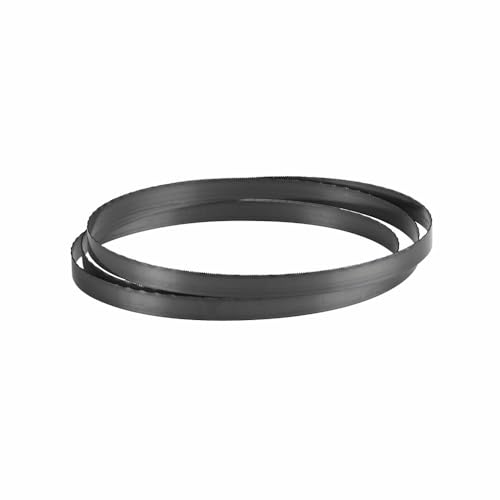
With its 24 teeth per inch, this Bosch blade is designed specifically for metal applications, ensuring clean cuts on compatible materials. Premium-grade steel construction resists heat buildup to promote a long blade life under regular use. This combination makes it a reliable, install-and-forget option for standard stationary band saws that accept its 64-1/2 inch length.
The trade-off is its specific length and tooth count. While it fits most common saws, its 64-1/2 inch length won’t work on larger industrial machines that require something like the 93-inch Lenox Classic. For a single, dependable blade for general metal shop work, this one covers the bases well.
Lenox Classic Tuff Tooth Bi-Metal Band Saw Blade
What We Like
- Tuff tooth design reduces tooth strippage
- Cuts ferrous and nonferrous metals
- Wavy set prevents stripping on thin workpieces
- M-42 steel edge for heat and wear resistance
Trade-offs
- 93-inch length fits only specific saw models
- 18 TPI may be too fine for thick, soft materials
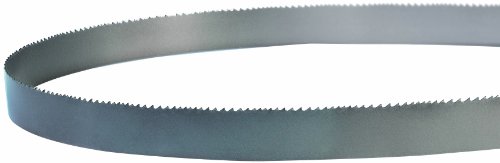
This bi-metal blade’s M-42 high-speed steel tooth edge provides heat and wear resistance for cutting a wide range of metals, including carbon steel, alloy steel, tool steel, structural steel, stainless steel, and aluminum. Its Tuff Tooth design and wavy tooth set help reduce tooth strippage, which is useful when working with thin materials. The combination makes it suitable for cuts in cylindrical solids, rectangular tubes, and structural shapes.
The trade-off for that all-metal capability is that it’s not specialized for extreme performance in any single area. For instance, if your primary task is ripping through large solid steel bar stock, a blade like the Lenox QXP Vari-Raker with its raker set and lower, variable TPI would be more efficient. The Classic Tuff Tooth excels as a generalist, saving you from buying multiple blades unless your work becomes heavily focused on one type of cut.
Product photos
Starrett Intenss PRO Bi-Metal Band Saw Blade
What We Like
- Positive rake angle for easy penetration
- Variable pitch geometry reduces noise
- Wide range of widths and pitches available
- Engineered for intensive production cutting
Trade-offs
- 3/4" width requires a compatible, larger band saw
- 7'9" length fits specific machines, not universal
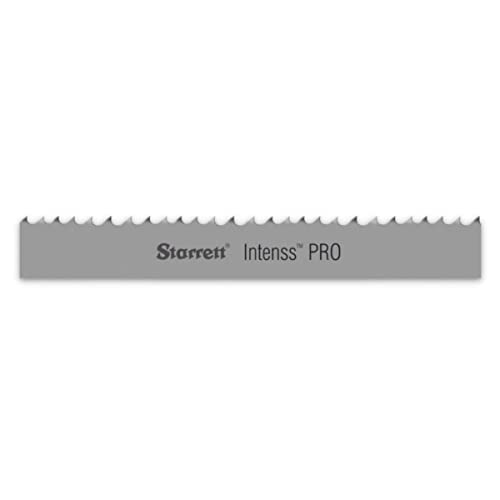
The Starrett Intenss PRO is built for the shop floor, with a tooth geometry engineered for faster, straighter cuts and excellent chip clearance. That positive rake angle and variable pitch mean it bites in cleanly and runs quietly, which translates directly to less operator fatigue and more consistent results over a long shift. This blade is for the metalworker who needs to reliably process a mixed stream of materials, from tool steels to nickel alloys, without swapping blades constantly.
You need a stationary band saw that fits its specific 7’9″ length and 3/4″ width. Smaller portable units require a different blade, such as the 64-1/2″ Bosch BS6412-24M. For the right machine, though, the Intenss PRO’s design provides the cutting efficiency and finish quality that high-volume work demands, backed by a long history of professional toolmaking.
Milwaukee Extreme Thin Metal Band Saw Blade
What We Like
- Triple the life in stainless and extreme metals
- Optimized tooth design for cleaner cuts
- Cuts fast through thin, hard materials
Trade-offs
- No TPI or exact material specification is listed
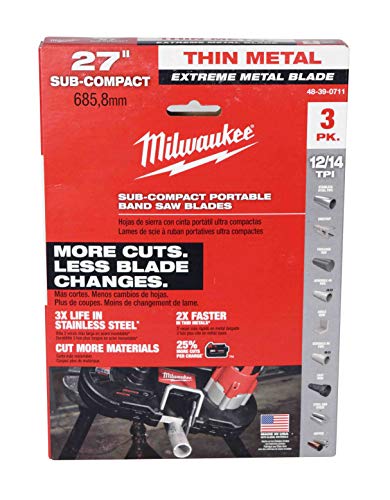
Built to last three times longer in stainless steel and other extreme metals, this blade reduces downtime for shops tackling the hardest materials. Its design works across all metal thicknesses, eliminating the need to switch blades for different jobs. The optimized tooth geometry promotes clean cuts as stated by the manufacturer.
Its focus on thin, hard metals is a limitation for other tasks. If you mainly work with thick, soft materials like aluminum, a blade with a variable tooth pitch, such as the Lenox QXP Vari-Raker, could be more efficient. This Milwaukee blade still excels in its intended niche, delivering long life and fast cuts where others wear out quickly.
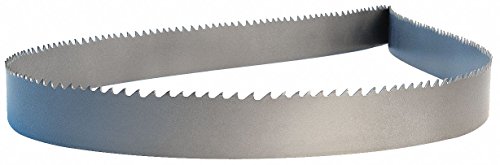
Lenox QXP Vari-Raker Bi-Metal Band Saw Blade
What We Like
- Vari-tooth design for high-production cutting
- Bimetal construction handles many metals
- Positive rake and deep gullets for efficient chip removal
- Vari-raker set for multipurpose applications
Trade-offs
- At 120 inches long, it only fits compatible band saws.
- The 1-inch width limits use on saws with smaller guides.
The 5-8 TPI range and Vari-Raker set make this blade a beast for chewing through solid stock and structural shapes without bogging down. It’s built for the shop that needs to make a lot of cuts in a shift, handling everything from carbon steel to aluminum. The M-42 high-speed steel teeth shrug off heat, which means you can push feed rates and still expect a long service life. This is the blade you reach for when production volume matters more than a pristine finish on every cut.
Engineered for high-production cutting, this blade’s primary role is to remove material quickly in demanding shop environments. Its QXP vari-tooth design combines a high positive rake and deep gullets to efficiently clear chips from solid shapes, cylindrical tubes, and sheets. This bimetal construction with an M-42 high-speed steel tooth edge handles a wide range of materials, including carbon steel, alloy steel, stainless steel, and aluminum.
Imachinist Bi-Metal Band Saw Blade

What We Like
- M42 bi-metal construction for durability
- Variable 10/14 TPI handles mixed materials
- Specifically suited for cutting pipe and tube profiles
- Fits all 93-1/2" x 1/2" bandsaws
Trade-offs
- Not for wood-cutting bandsaws over 1,000 SFPM
- Optimized for soft ferrous metals, not hardened steel
The 10/14 variable tooth pattern is the key here. Those alternating teeth keep the cut smooth when you’re moving from a thin wall into a thicker section on pipe or tubing, which minimizes vibration and chatter. This blade is built for the kind of mixed-thickness work you find in fabrication shops and serious DIY metal projects. Its M42 bi-metal teeth will hold an edge through plenty of cuts on soft steel and non-ferrous metals, making it a practical choice for general metal cutting where the material thickness isn’t consistent.
You do need to mind your machine’s speed, as this blade is not intended for the high-RPM wood-cutting bandsaws some folks try to adapt. For strictly cutting solid bar stock, a blade with a consistent tooth pitch like the Bosch BS6412-24M might deliver a faster, more specialized cut. But for the common task of chopping up conduit, pipe, or structural tubing, this Imachinist blade’s variable design handles the job efficiently without needing a blade change.
Product photos
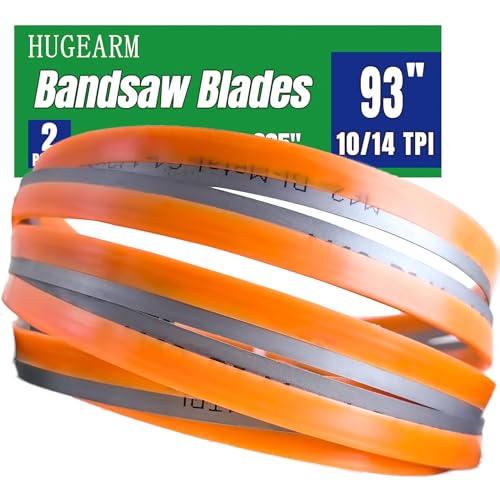
HUGEARM Bi-Metal Band Saw Blades 2-Pack
What We Like
- Two-pack offers immediate spare blade.
- M42 bi-metal construction for toughness.
- Plastic teeth guard for storage protection.
- Cuts a wide range of metals and materials.
Trade-offs
- Wide 3/4-inch blade limits compatibility to larger saws.
You get two blades in the pack, so a spare is ready when the first one wears out. Their M42 bi-metal construction is tougher than standard carbon steel, which should mean longer life when cutting hard materials like stainless steel. The 10/14 variable tooth pitch is listed for cutting a wide range of materials from wood to various metals.
That 10/14 TPI is a general-purpose configuration. For making very fine cuts in thin materials, a blade with a higher tooth count like the 24 TPI Bosch model would be the specialist choice. This two-pack provides two M42 bi-metal blades, while the other-products list includes single blades from brands like Lenox and Starrett at similar specifications.
Product photos
Imachinist M42 Bi-Metal Bandsaw Blade

What We Like
- Extra-long 132-inch length fits large saws
- 1-inch width provides excellent beam strength
- M42 bi-metal construction for cutting metal
- Variable 8/12 TPI handles tubing and plate
Trade-offs
- 132-inch length is incompatible with most standard benchtop saws
- 1.7-pound weight requires a substantial, stable machine
- Wider 1-inch blade reduces cutting radius on smaller saws
A 132-inch blade is built for the big stationary bandsaws you find in serious metal shops. That extreme length, paired with a full 1-inch width of M42 bi-metal, gives you a blade with tremendous beam strength for straight cuts in heavy plate and structural materials. The 8/12 variable tooth pitch is the right call here, letting it chew through a mix of solid stock and thin-walled tubing without grabbing. This is for the metalworker whose primary concern is cutting down large, thick stock on a full-size machine.
This blade fits only bandsaws that use a 132-inch length, so it’s incompatible with most benchtop and many mid-size floor models. For the large stationary saws it’s designed for, the M42 bi-metal construction and 8/12 variable tooth pitch provide a durable edge suitable for cutting tubing, profiles, sheet, and plate metal. A 120-inch-long alternative, the Lenox QXP Vari-Raker, is available for saws with a shorter maximum blade length.
Product photos
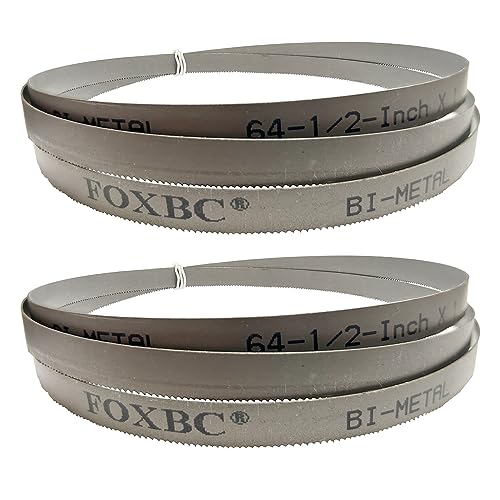
FOXBC Bi-Metal Bandsaw Blade 2-Pack
What We Like
- Bi-metal M42 construction with 8% cobalt for durability
- 24 TPI blade is versatile for many metals and plastics
- Two-pack provides immediate backup and extended value
- Compatible with a wide range of popular 4×6 saw models
Trade-offs
- 64.5-inch length fits only specific horizontal saws, limiting versatility
- Single 24 TPI tooth pitch is a compromise for very thick or very thin stock
A 64.5-inch length and 0.5-inch width make this blade a direct fit for a whole fleet of popular 4×6 horizontal band saws from Harbor Freight, Wen, and Jet. That specific compatibility is its biggest strength, offering a ready-made solution for owners of those machines who need a reliable replacement. The 24 TPI bi-metal blade strikes a sensible middle ground, tackling everything from aluminum and mild steel to tougher stainless, which covers the vast majority of cuts in a home shop. You get two blades in the pack, so when one finally wears out, you’re not stuck waiting for a new one to arrive.
Its exact 64-1/2″ length locks it into a specific niche, making it unsuitable for larger industrial saws or smaller portable units. While the 24 TPI is versatile, a shop doing lots of cutting on very thin-wall tubing might want a finer blade, and those ripping thick solid stock might prefer a coarser one. For a general-purpose blade on a 4×6 saw, however, the FOXBC hits the mark. Compared to a single blade like the Bosch option of the same size, the two-pack offers better long-term value for the frequent user.
Product photos
How We Evaluated Band Saw Blades For Metal
Our evaluation began with manufacturer data on blade construction, tooth geometry, and recommended applications. We cross-referenced this with insights from expert tool round-ups and analyzed recurring themes in user feedback on durability, cut quality, and compatibility.
The key criteria were blade material and heat resistance, tooth design and pitch (TPI), and size compatibility with common saws. Material determines longevity, especially when cutting steel with a band saw. Tooth design affects cut speed and finish, while the correct length and width are non-negotiable for safe operation.
This is a research-based guide. We did not perform hands-on cutting tests, so our findings rely on reported performance from specifications and aggregated user experiences. For hands-on techniques, see our guide on band saw operation.
What To Look For In Band Saw Blades For Metal
Selecting a blade involves matching its core specs to your saw and your most common materials. A mismatch can ruin a blade in minutes or damage your workpiece.
Focus on blade material first: bi-metal with M42 steel is the versatile standard. Then, match the teeth per inch (TPI) to your material thickness, lower TPI for thick stock, higher for thin. Finally, verify the exact blade length and width your saw requires.
Blade Material
Bi-metal blades are the most common and versatile choice for metal. They combine a flexible alloy steel back with high-speed steel teeth, offering a balance of durability and cost. Blades with an M42 steel tooth edge provide superior heat and wear resistance for longer life in tough materials. For the hardest alloys like stainless steel, some specialized blades use advanced carbide-tipped teeth, though these are a premium option.
Tooth Design & Pitch (TPI)
Tooth pitch, measured in Teeth Per Inch (TPI), dictates what you can cut effectively. A lower TPI has deep gullets for aggressive chip removal in thick, soft metals like aluminum. A higher TPI provides more cutting points for a smoother finish on thin-walled tubing or hard metals. Variable-pitch blades, such as those with ten and fourteen teeth per inch, mix tooth spacing to reduce vibration and are excellent for cutting mixed-thickness materials like pipe.
Size & Compatibility
This is the most critical mechanical fit. You must know your band saw’s exact blade length, width, and sometimes thickness. A blade that’s too long won’t tension; one that’s too wide won’t fit the guides. Common stationary saws use 93″ or 64.5″ lengths, while large industrial saws may need 120″ or longer. Width affects the minimum cutting radius on a vertical saw. Always double-check your manual before ordering. For more on different machine types, explore our articles on horizontal band saws and vertical band saws.
- Measure your current blade end-to-end for length.
- Check your saw’s manual for maximum blade width capacity.
- Ensure the blade’s TPI range suits your primary material thickness.
A well-tensioned, correctly fitted blade is the foundation of a good cut, so proper setup is as important as the blade itself. Learn more about setting blade tension.
Band Saw Blades For Metal Compared
Use the table below to quickly compare the key specifications and best uses for our top picks.
| Product | Length | Width | Material |
|---|---|---|---|
| Bosch BS6412-24M Metal Cutting Band Saw Blade | 64-1/2 inches | N/A | Premium grade steel |
| Lenox Classic Tuff Tooth Bi-Metal Band Saw Blade | 93 inches | 3/4" | Bi-metal |
| Starrett Intenss PRO Bi-Metal Band Saw Blade | 7' 9" | 3/4" | Bi-Metal |
| Milwaukee Extreme Thin Metal Band Saw Blade | N/A | N/A | N/A |
| Lenox QXP Vari-Raker Bi-Metal Band Saw Blade | 120 inches | 1" | Bi-metal |
| Imachinist Bi-Metal Band Saw Blade | 93-1/2 inches | 1/2" | Bi-metal M42 grade |
| HUGEARM Bi-Metal Band Saw Blades 2-Pack | 93 inches | 3/4" | Bi-Metal M42 |
| Imachinist M42 Bi-Metal Bandsaw Blade | 132 inches | 1" | M42 Bi-Metal |
| FOXBC Bi-Metal Bandsaw Blade 2-Pack | 64.5 inches | 0.5 inches | Bi-Metal M42 |
Frequently Asked Questions
What is the best bandsaw blade for cutting metal?
The best blade depends on your saw and material. For most owners of standard stationary saws, a dedicated bi-metal blade like the Bosch BS6412-24M offers excellent all-around performance. For shops cutting a mix of metals, the Lenox Classic Tuff Tooth is a top choice.
Is 18 or 24 TPI better for metal?
It depends on material thickness. An 18 TPI blade is a good general-purpose pitch for mixed cutting. A 24 TPI blade is better for cutting thin sheet metal, thin-walled tubing, or hard metals where you need a smoother finish and more teeth in contact with the work.
What saw blade is best for cutting metal?
For cutting metal, you need a band saw blade specifically designed for it, not a wood-cutting blade. Metal-cutting blades are made from harder materials like high-speed steel or carbide and run at much slower speeds. Using the wrong type is unsafe and will ruin the blade instantly.
Who makes the best quality bandsaw blades?
Several manufacturers are renowned for quality in metal-cutting blades. Brands like Lenox, Starrett, and Bosch consistently receive positive feedback from professionals for their durable bi-metal and specialty blades, which are engineered for specific cutting challenges.
Can I use one blade for both metal and wood?
No, you should not. Metal-cutting blades are hardened to withstand the abrasiveness of metal and are designed to run at slow speeds (under 300 feet per minute). Wood-cutting blades are softer and run at high speeds. Using a metal blade on wood will be inefficient, and using a wood blade on metal is dangerous and will destroy the blade.
The Bottom Line
For most workshop owners with a standard stationary band saw, the Bosch BS6412-24M Metal Cutting Band Saw Blade is the best overall choice. It’s engineered for metal, offers great heat resistance, and fits a wide range of common machines.
If you’re on a budget and own a popular 4×6 horizontal saw, the FOXBC Bi-Metal Bandsaw Blade 2-Pack provides tremendous value and a ready spare. For serious production cutting, look to the Starrett Intenss PRO or Lenox QXP Vari-Raker.
Ultimately, the single most important factor is compatibility. Always verify the exact length, width, and TPI your saw and project demand. For a broader look at equipment, see our guide to metal band saws.
